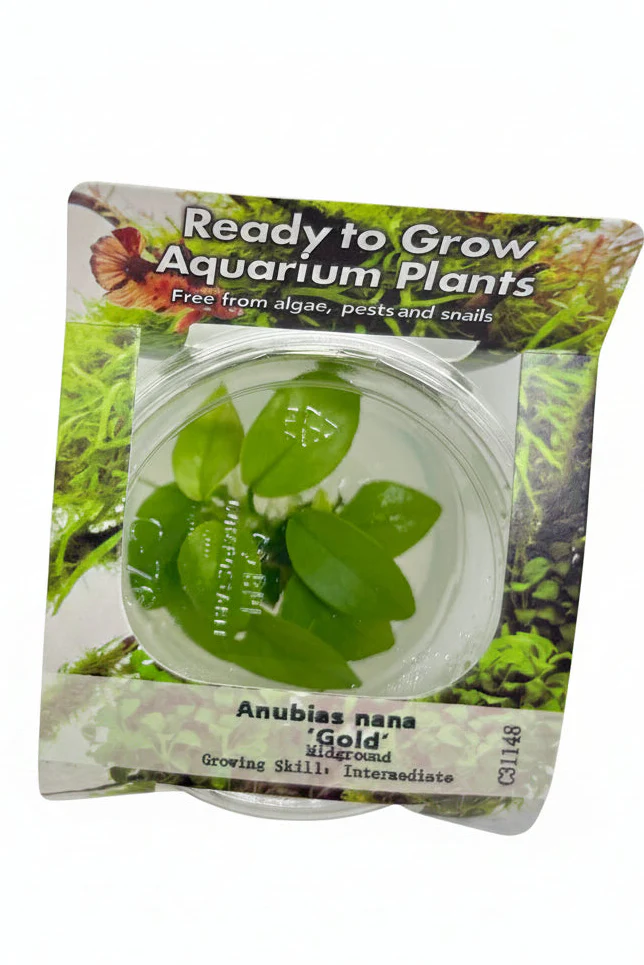
Anubias nana 'Gold' Tissue Culture - C31148
Anubias nana ‘Gold’ – Tissue Culture (Rare Golden Anubias)
Add a vibrant pop of color to your aquascape with Anubias nana ‘Gold’, a rare and highly sought-after variety known for its bright yellow-green leaves. This plant creates stunning contrast against darker greens and hardscape, making it a standout feature in any aquarium.
Grown in sterile tissue culture, it arrives 100% pest-free, algae-free, and safe for shrimp tanks.
- Unique golden coloration – rare vs standard Anubias
- Low-maintenance & extremely hardy
- Tissue culture grown – no pests, snails, or algae
- Shrimp-safe & pesticide-free
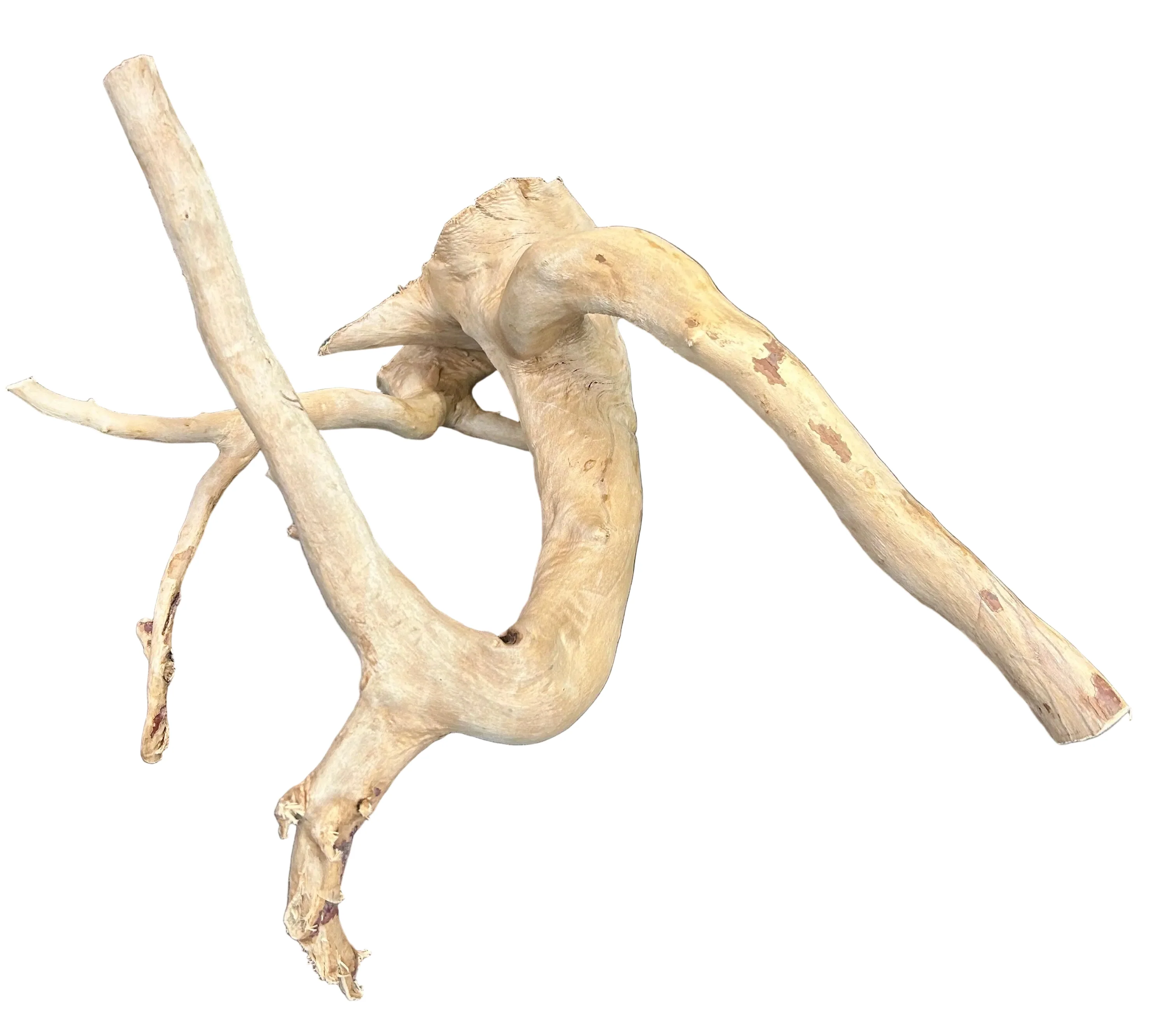
- Perfect for attaching to wood and rock
Plant Details
- Scientific Name: Anubias barteri var. nana ‘Gold’
- Common Name: Golden Anubias
- Placement: Foreground / Midground / Hardscape
- Difficulty: Very Easy
- Growth Rate: Slow
- Lighting: Low to Medium
- CO₂: Not required
Growth Style (Key Selling Feature)
Anubias nana ‘Gold’ features:
- Bright golden-yellow to lime green leaves
- Compact, slow-growing rhizome structure
- Excellent contrast against dark aquascapes
Perfect for creating high-end visual contrast in aquascaping layouts.
How to Use (Tissue Culture Prep)
- Remove plant from cup
- Rinse off all nutrient gel thoroughly
- Separate into small rhizome sections
- Attach to driftwood or rock (do NOT bury rhizome)
Pro Tip: Use glue or thread to attach—burying the rhizome can cause rot.
Care Notes
- Never bury the rhizome
- Slow grower (low maintenance, minimal trimming)
- Avoid intense light to prevent algae on leaves
- Thrives in stable, low-tech tanks
What You Get
- 1 sealed cup of Anubias nana ‘Gold’ Tissue Culture
- Multiple healthy plantlets ready to attach and grow
Perfect For:
- Beginner aquariums
- Low-tech planted tanks
- Shrimp tanks
- Nano aquascapes
- Adding color contrast to layouts
Pro Aquascaper Tip
Use Anubias ‘Gold’:
- As a highlight plant on dark driftwood
- In shaded areas for a glowing contrast effect
- Paired with mosses and darker plants for depth
Product Information
Product Information
Shipping & Returns
Shipping & Returns
Description
Anubias nana ‘Gold’ – Tissue Culture (Rare Golden Anubias)
Add a vibrant pop of color to your aquascape with Anubias nana ‘Gold’, a rare and highly sought-after variety known for its bright yellow-green leaves. This plant creates stunning contrast against darker greens and hardscape, making it a standout feature in any aquarium.
Grown in sterile tissue culture, it arrives 100% pest-free, algae-free, and safe for shrimp tanks.
- Unique golden coloration – rare vs standard Anubias
- Low-maintenance & extremely hardy
- Tissue culture grown – no pests, snails, or algae
- Shrimp-safe & pesticide-free
- Perfect for attaching to wood and rock
Plant Details
- Scientific Name: Anubias barteri var. nana ‘Gold’
- Common Name: Golden Anubias
- Placement: Foreground / Midground / Hardscape
- Difficulty: Very Easy
- Growth Rate: Slow
- Lighting: Low to Medium
- CO₂: Not required
Growth Style (Key Selling Feature)
Anubias nana ‘Gold’ features:
- Bright golden-yellow to lime green leaves
- Compact, slow-growing rhizome structure
- Excellent contrast against dark aquascapes
Perfect for creating high-end visual contrast in aquascaping layouts.
How to Use (Tissue Culture Prep)
- Remove plant from cup
- Rinse off all nutrient gel thoroughly
- Separate into small rhizome sections
- Attach to driftwood or rock (do NOT bury rhizome)
Pro Tip: Use glue or thread to attach—burying the rhizome can cause rot.
Care Notes
- Never bury the rhizome
- Slow grower (low maintenance, minimal trimming)
- Avoid intense light to prevent algae on leaves
- Thrives in stable, low-tech tanks
What You Get
- 1 sealed cup of Anubias nana ‘Gold’ Tissue Culture
- Multiple healthy plantlets ready to attach and grow
Perfect For:
- Beginner aquariums
- Low-tech planted tanks
- Shrimp tanks
- Nano aquascapes
- Adding color contrast to layouts
Pro Aquascaper Tip
Use Anubias ‘Gold’:
- As a highlight plant on dark driftwood
- In shaded areas for a glowing contrast effect
- Paired with mosses and darker plants for depth