🎉 Up to 70% Off Selected ItemsShop Sale
1 / 2
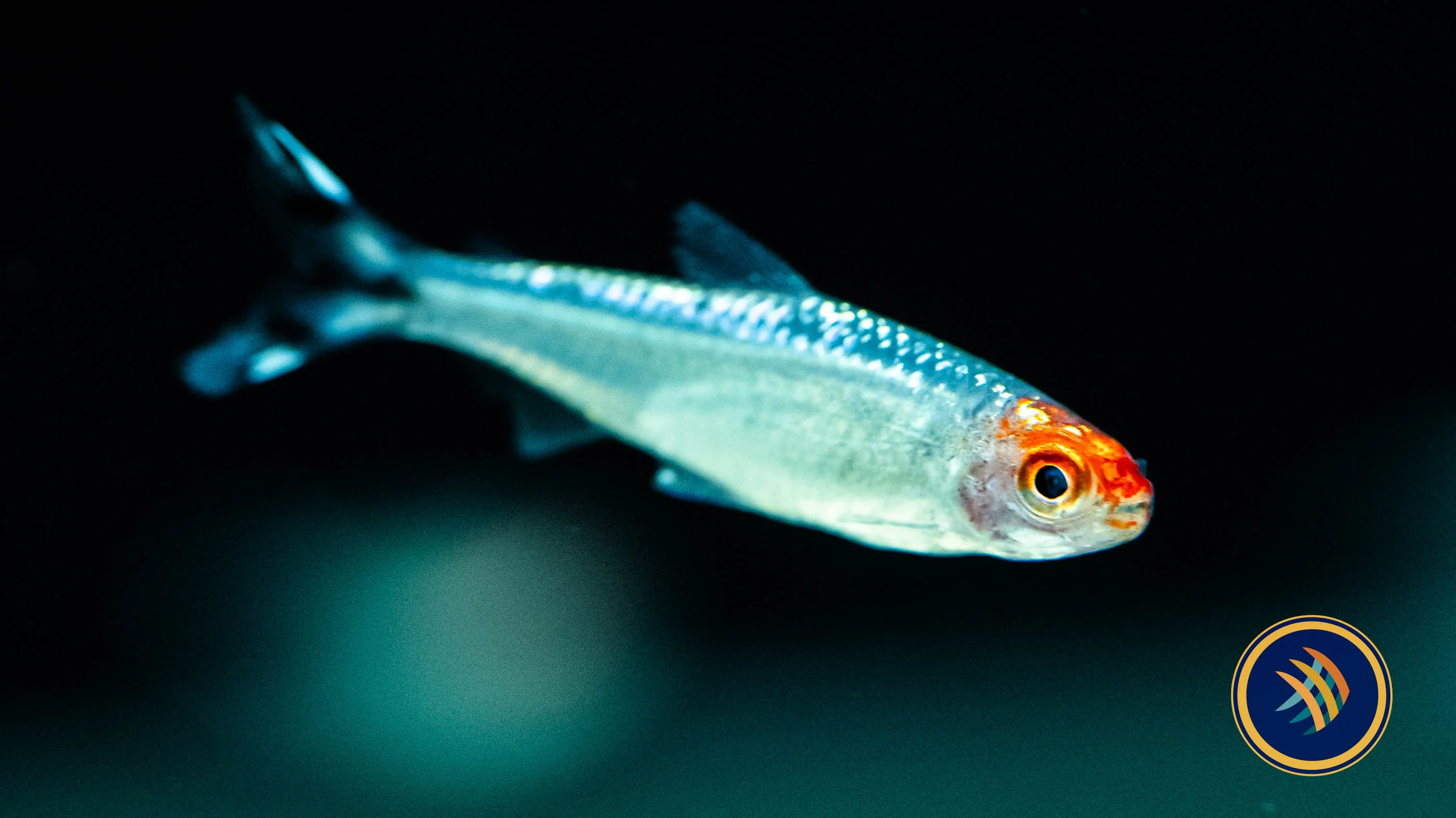
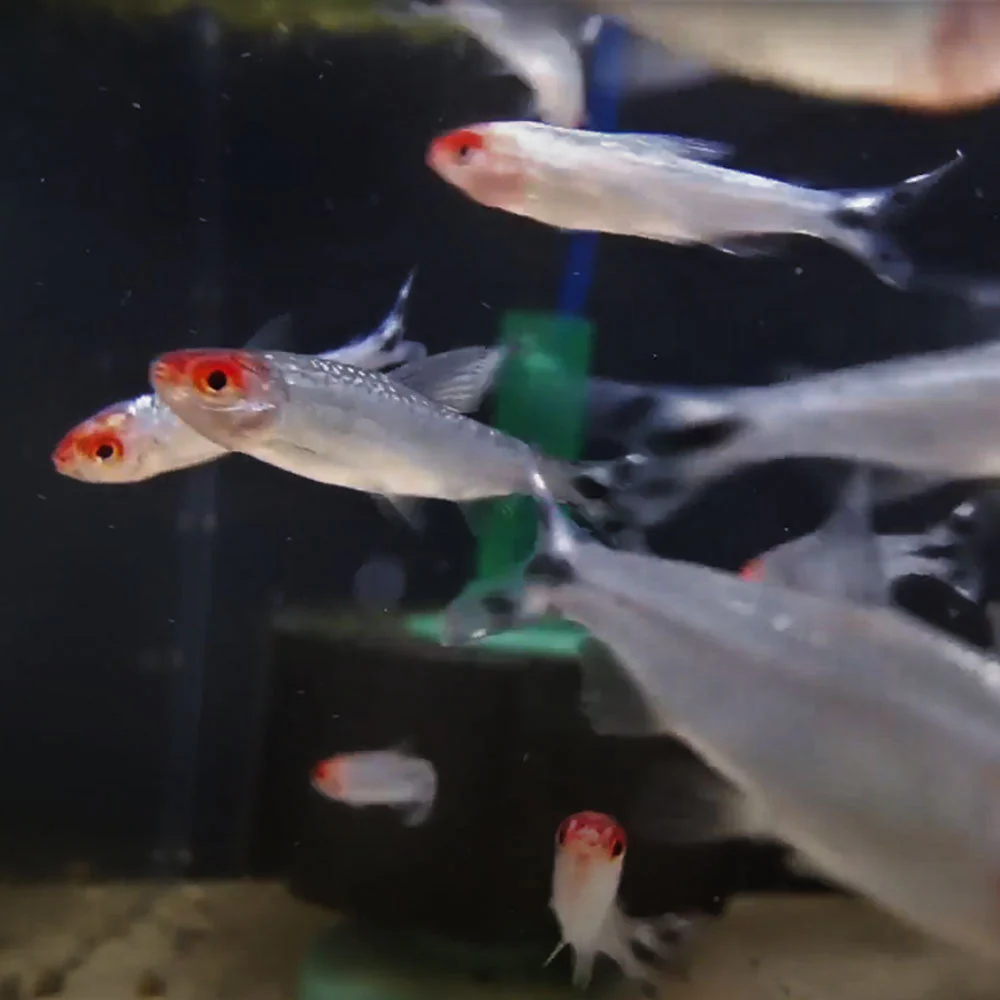
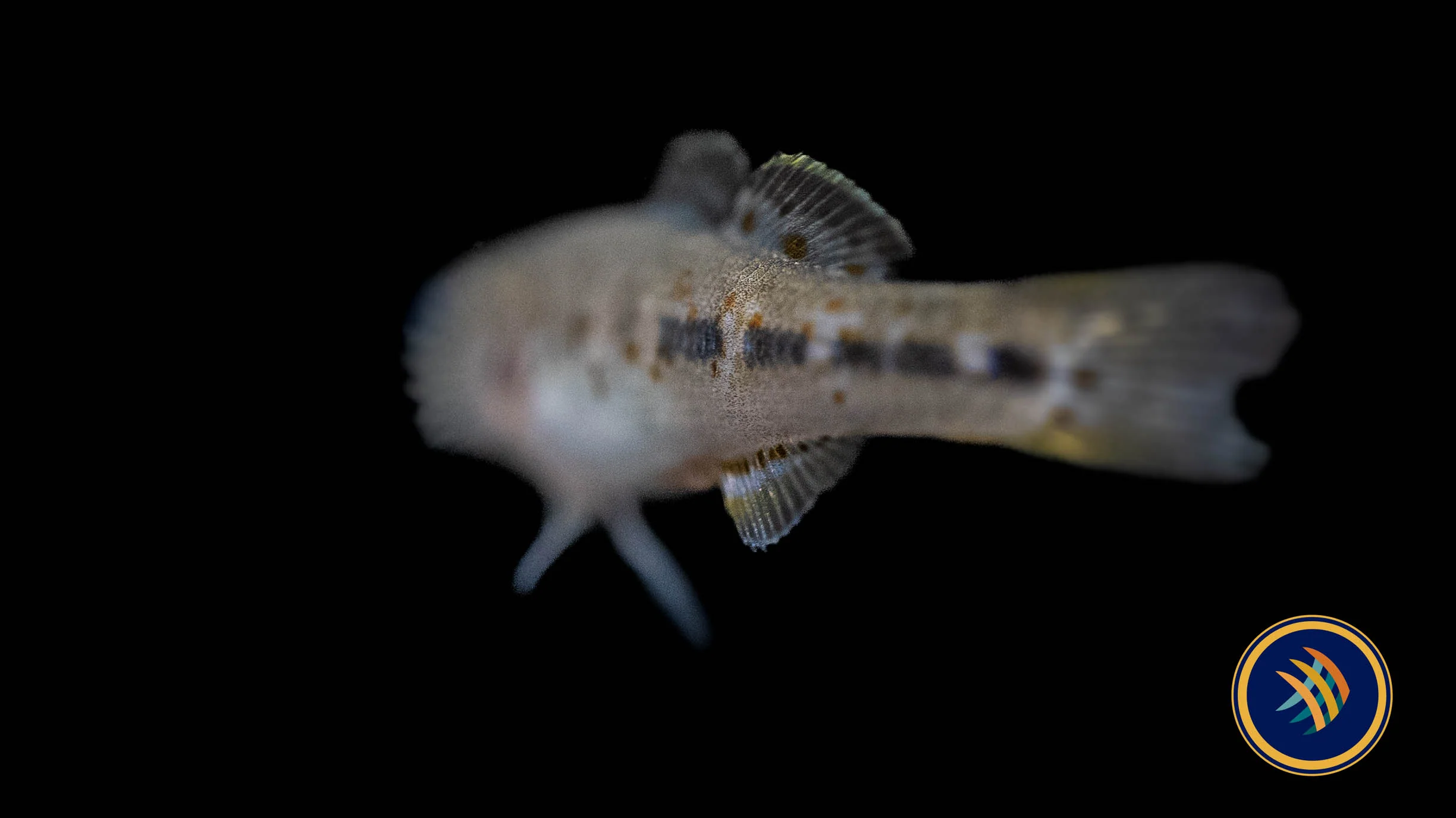
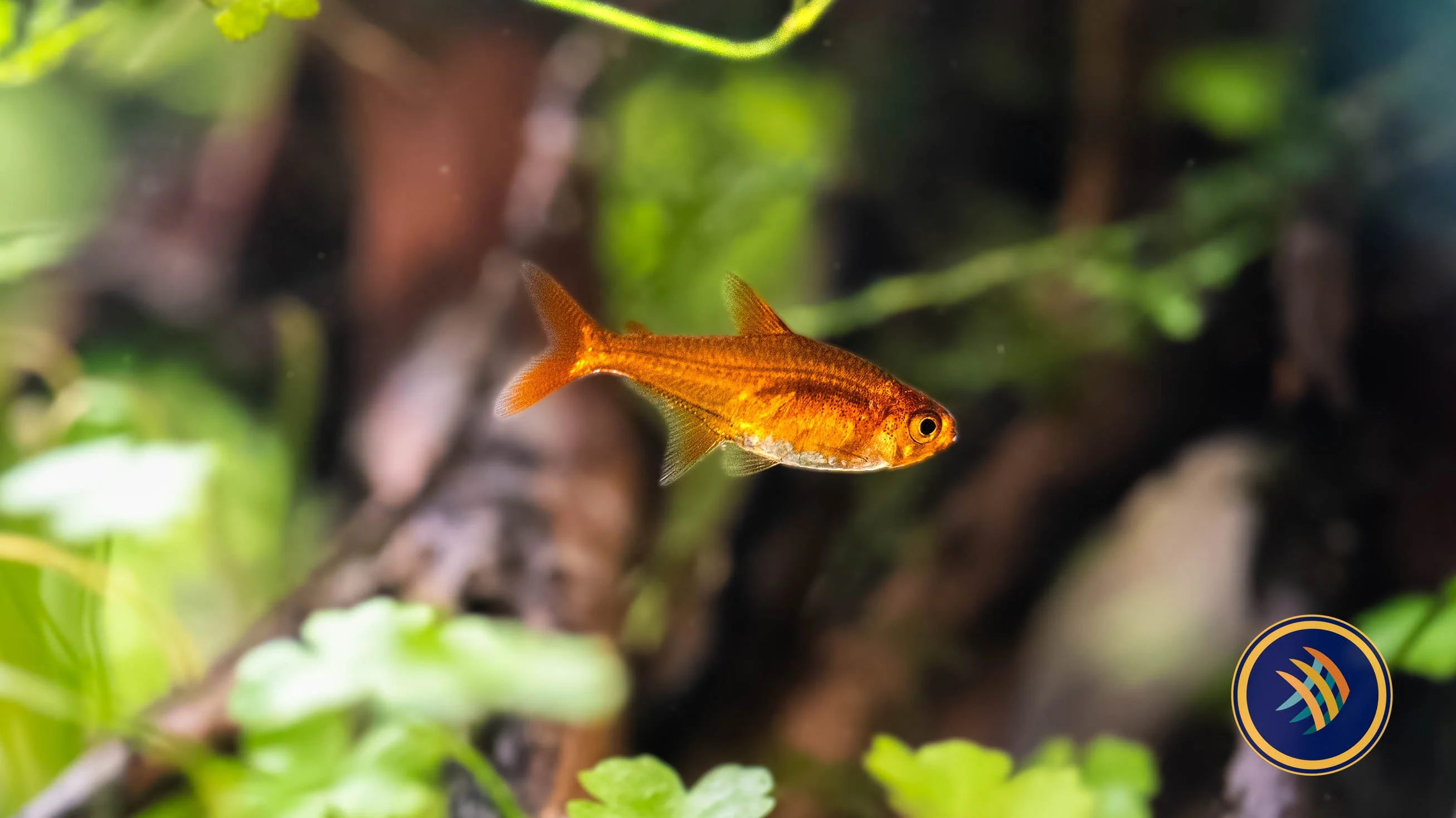
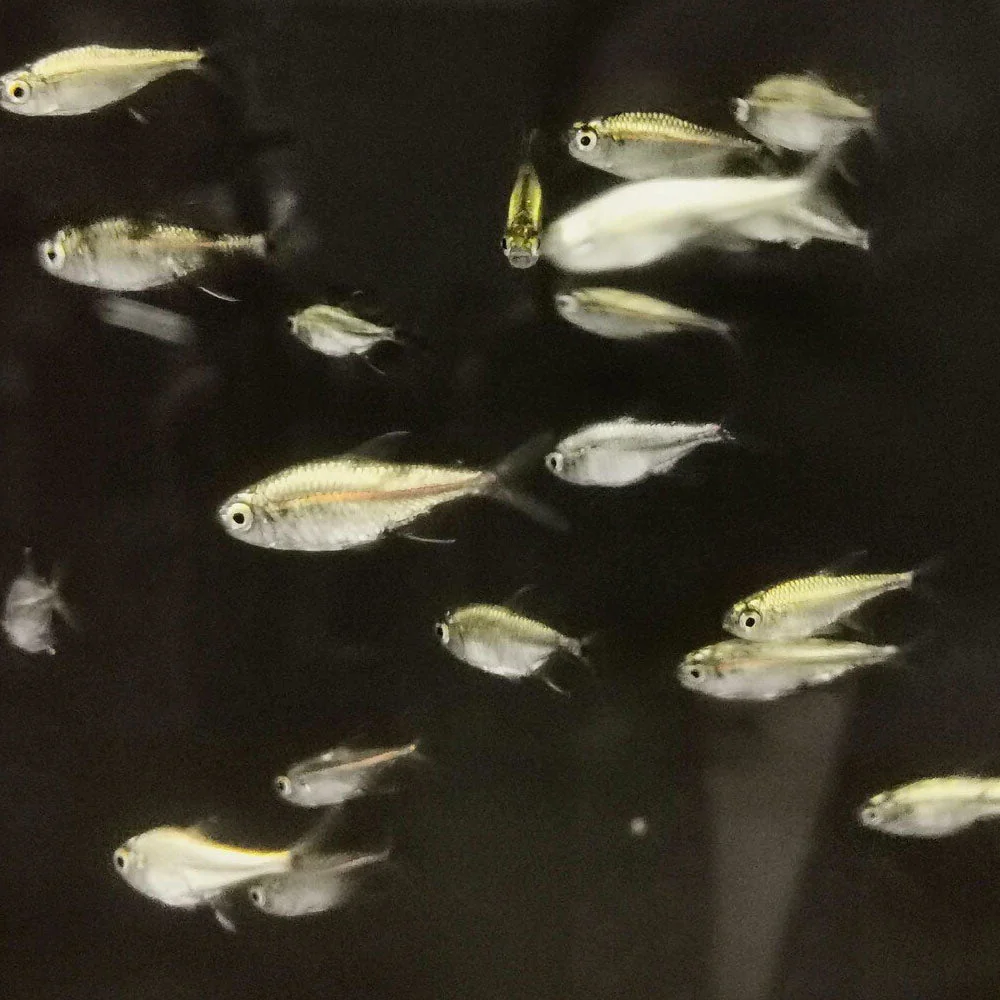
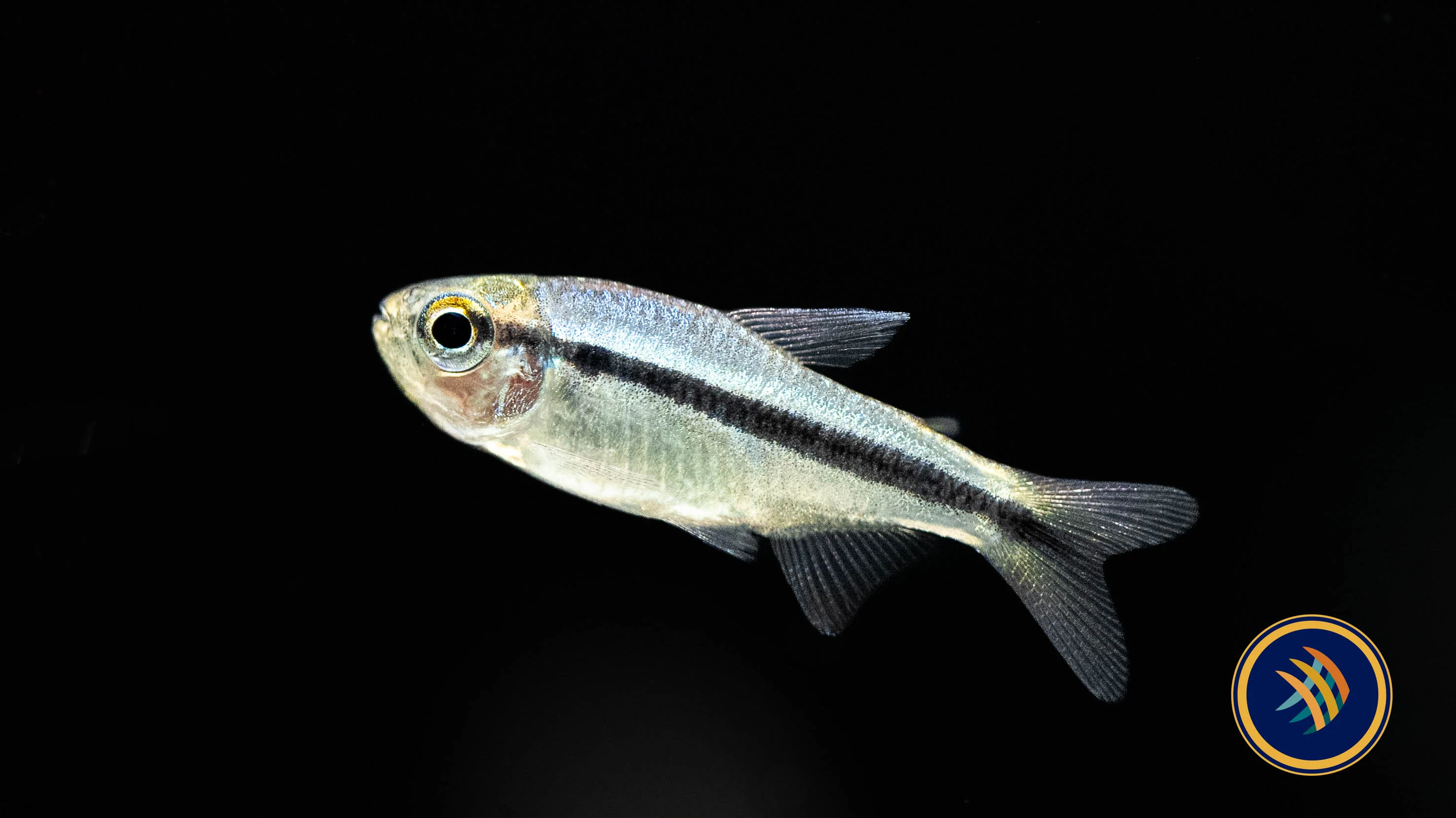
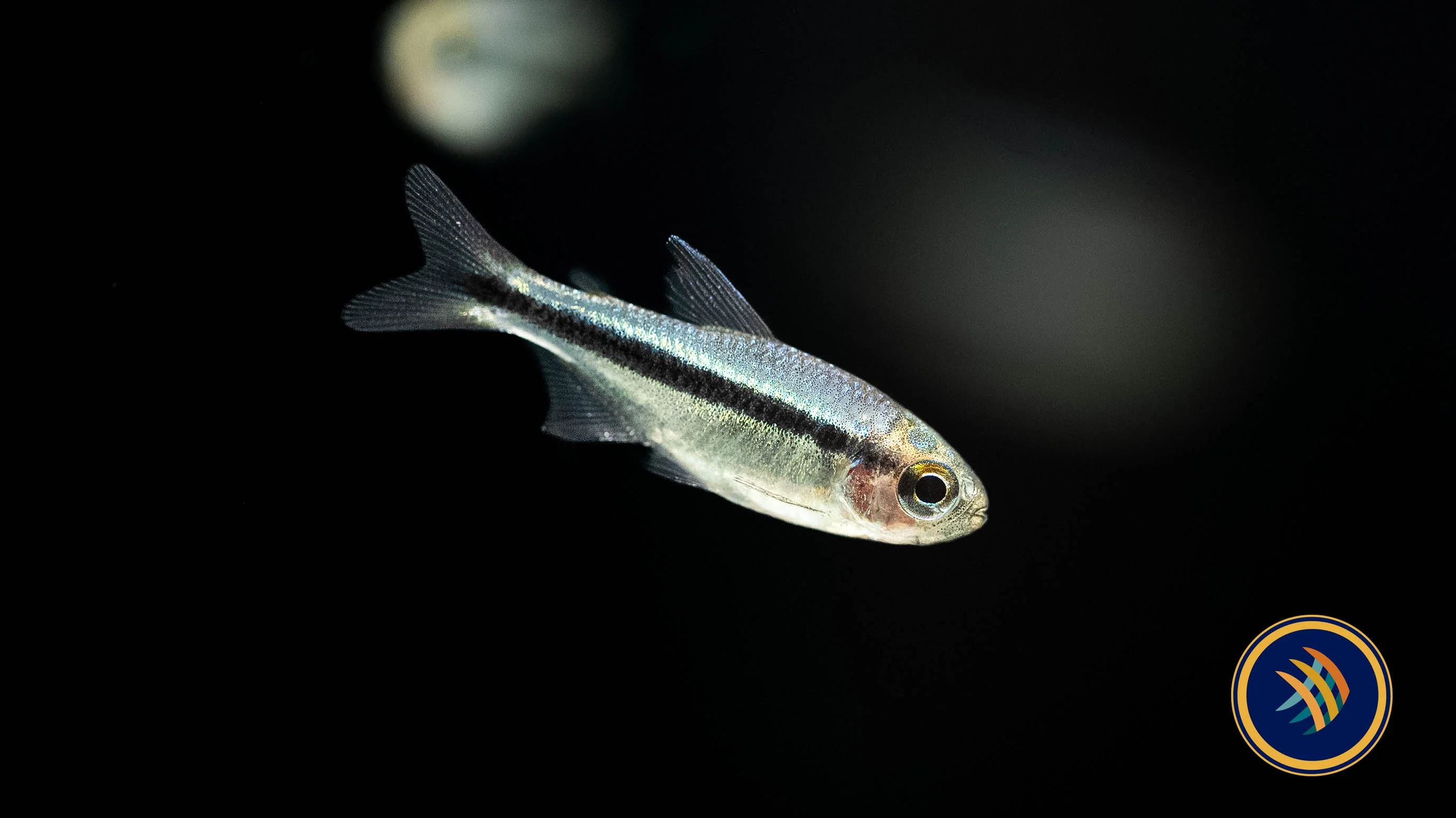
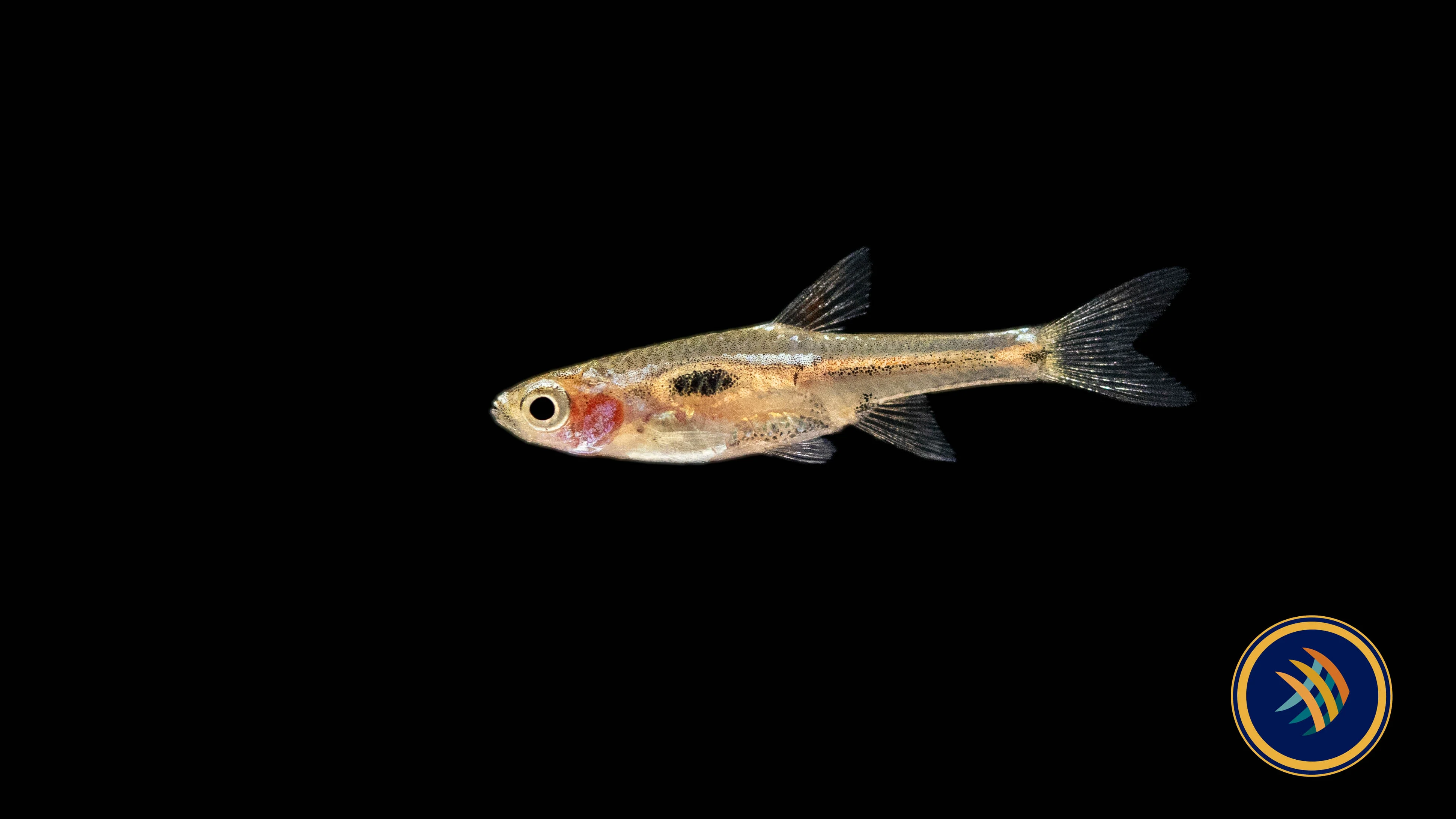
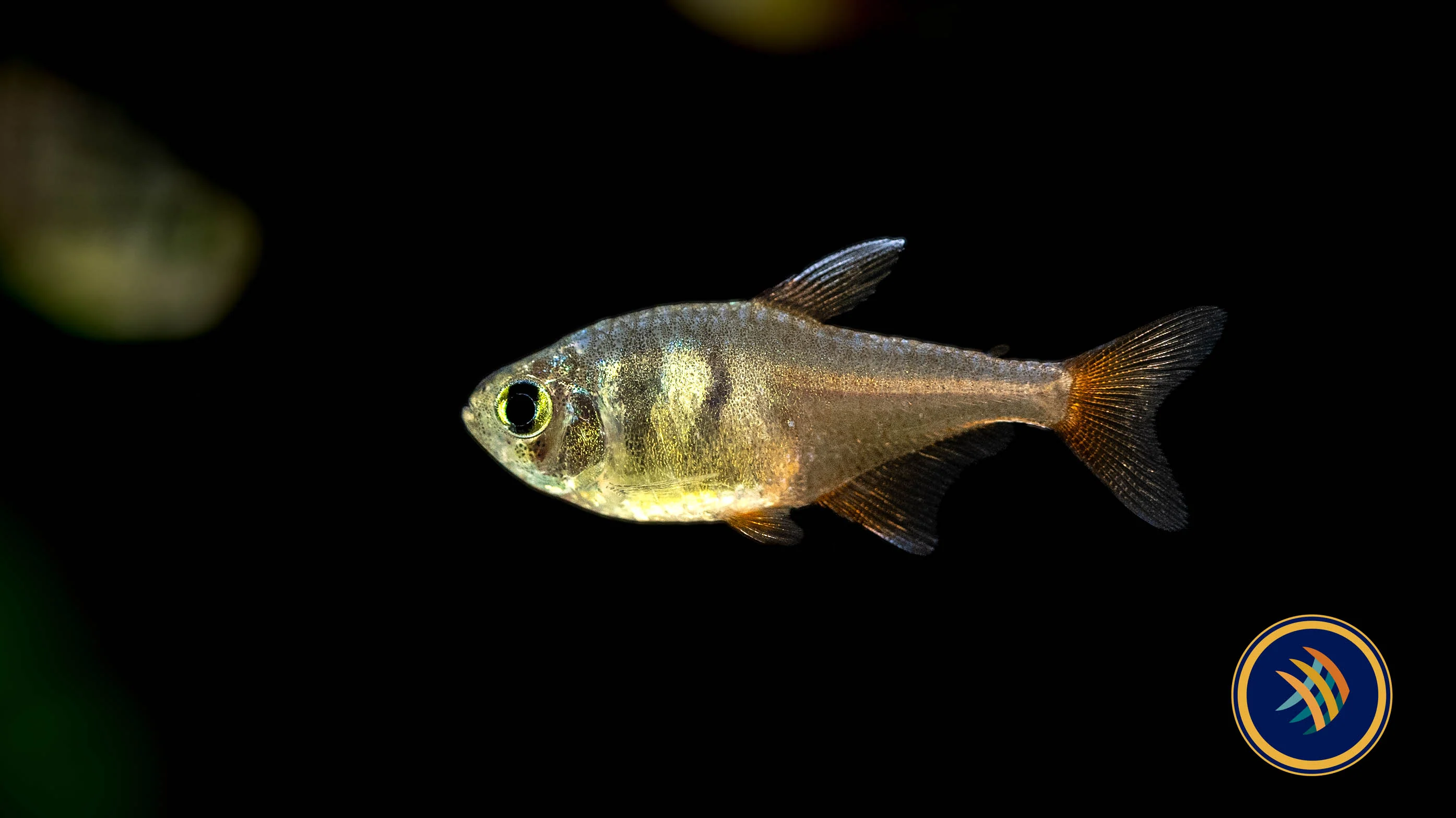
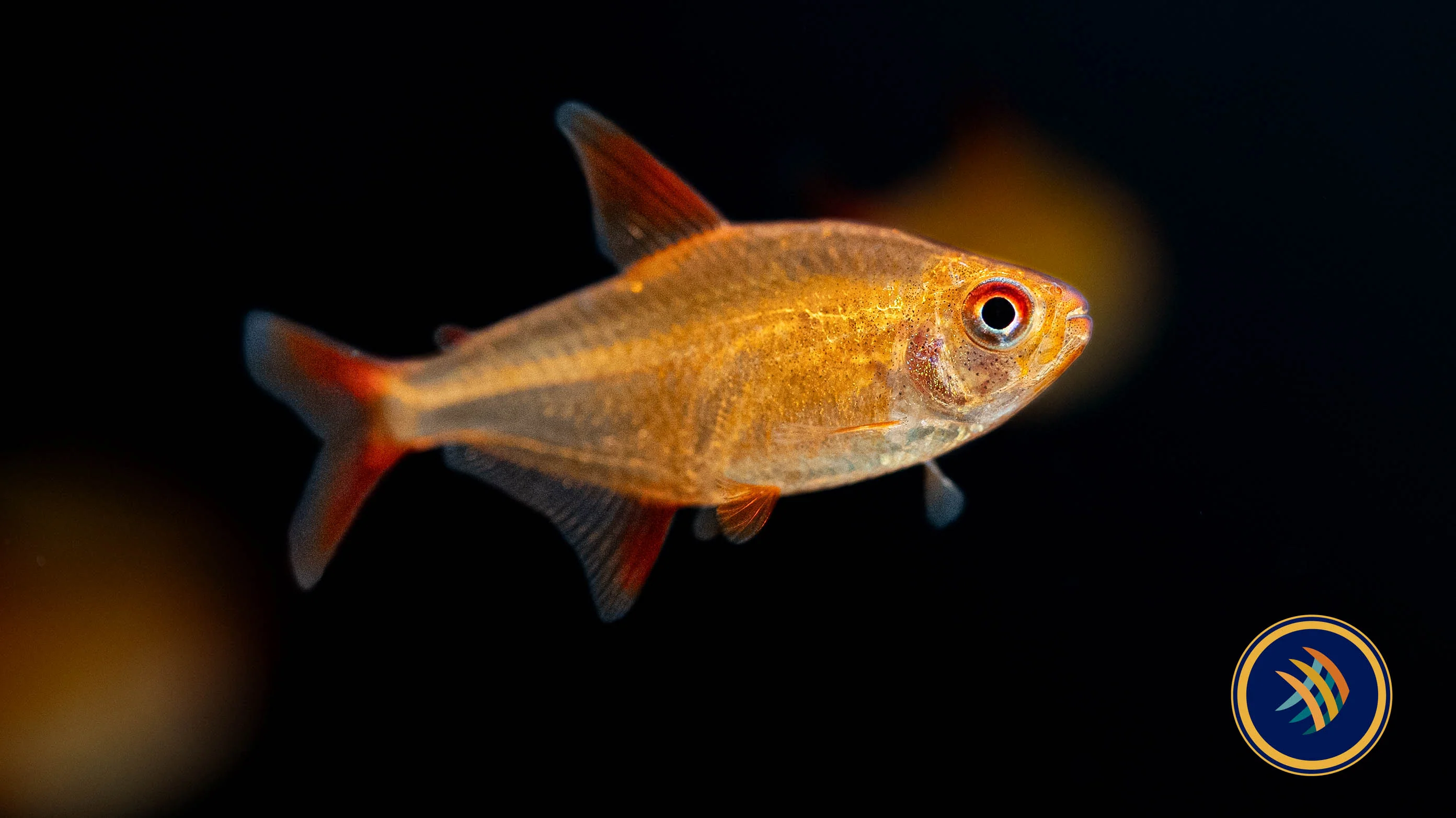
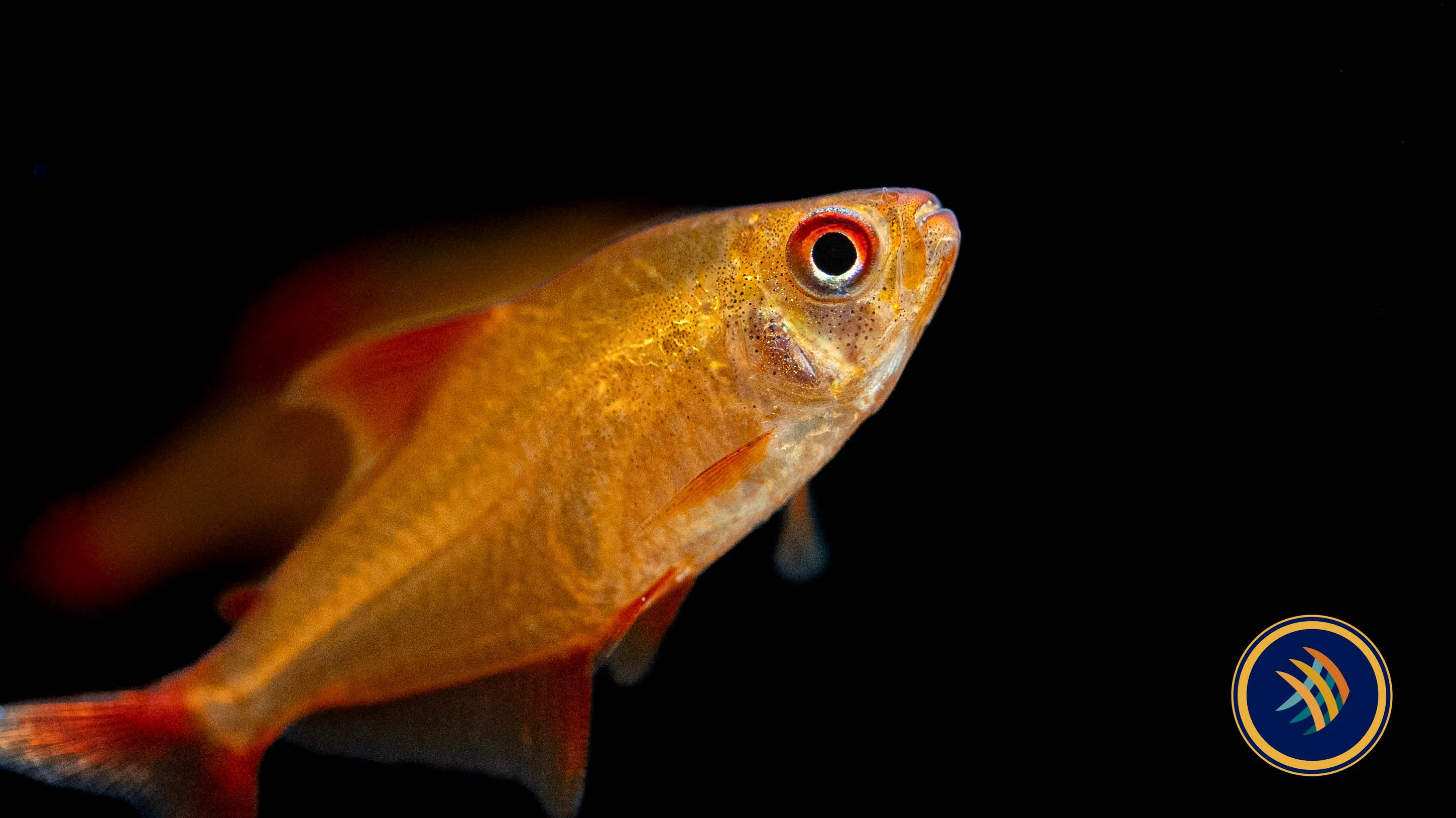
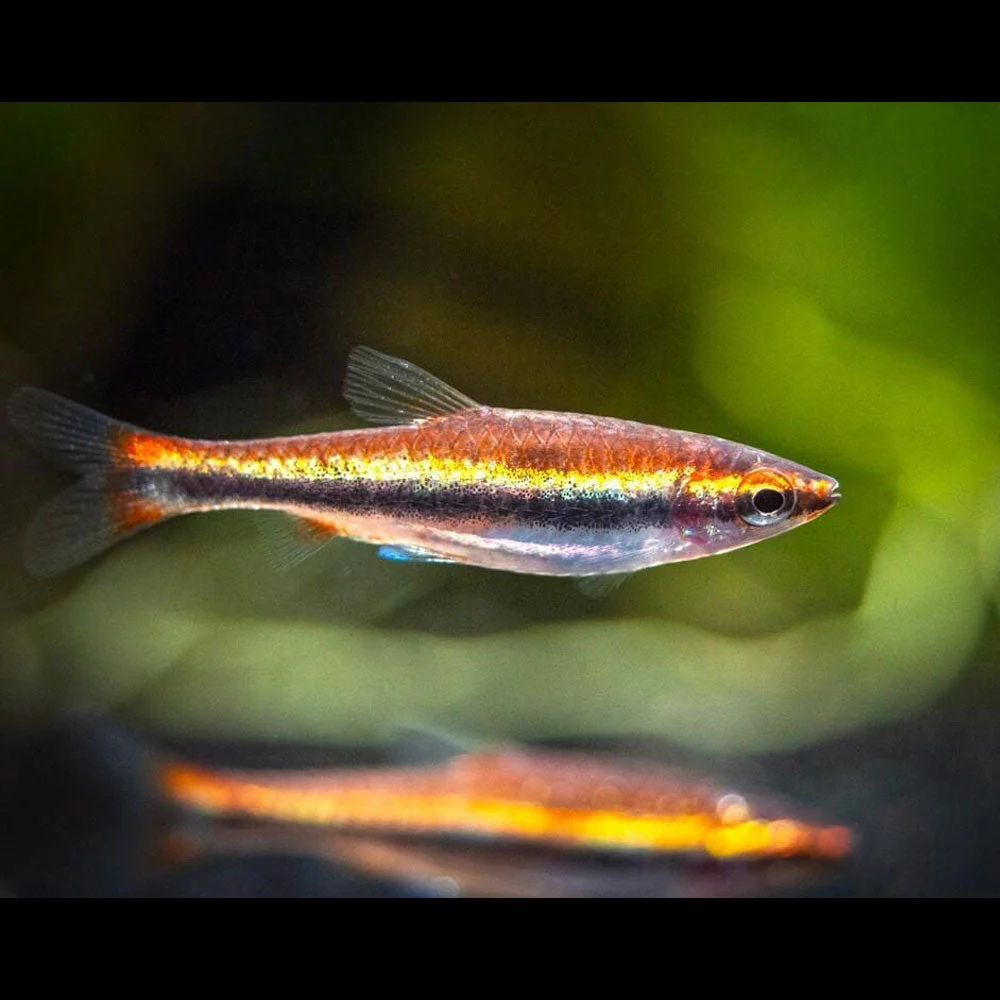
Red Beckfords Pencilfish 2-2.5cm (Nannostomus beckfordi)
Scientific name: Nannostomus beckfordi
Other common name: Beckford’s pencilfish
Quick Overview
- Family: Lebiasinidae
- Adult size: 5–6 cm (2–2.5 in)
- Lifespan: 4–6 years
- Temperament: Peaceful, mildly territorial males
- Difficulty: Easy–moderate
Identification & Appearance
- Slender, elongated “pencil” body shape
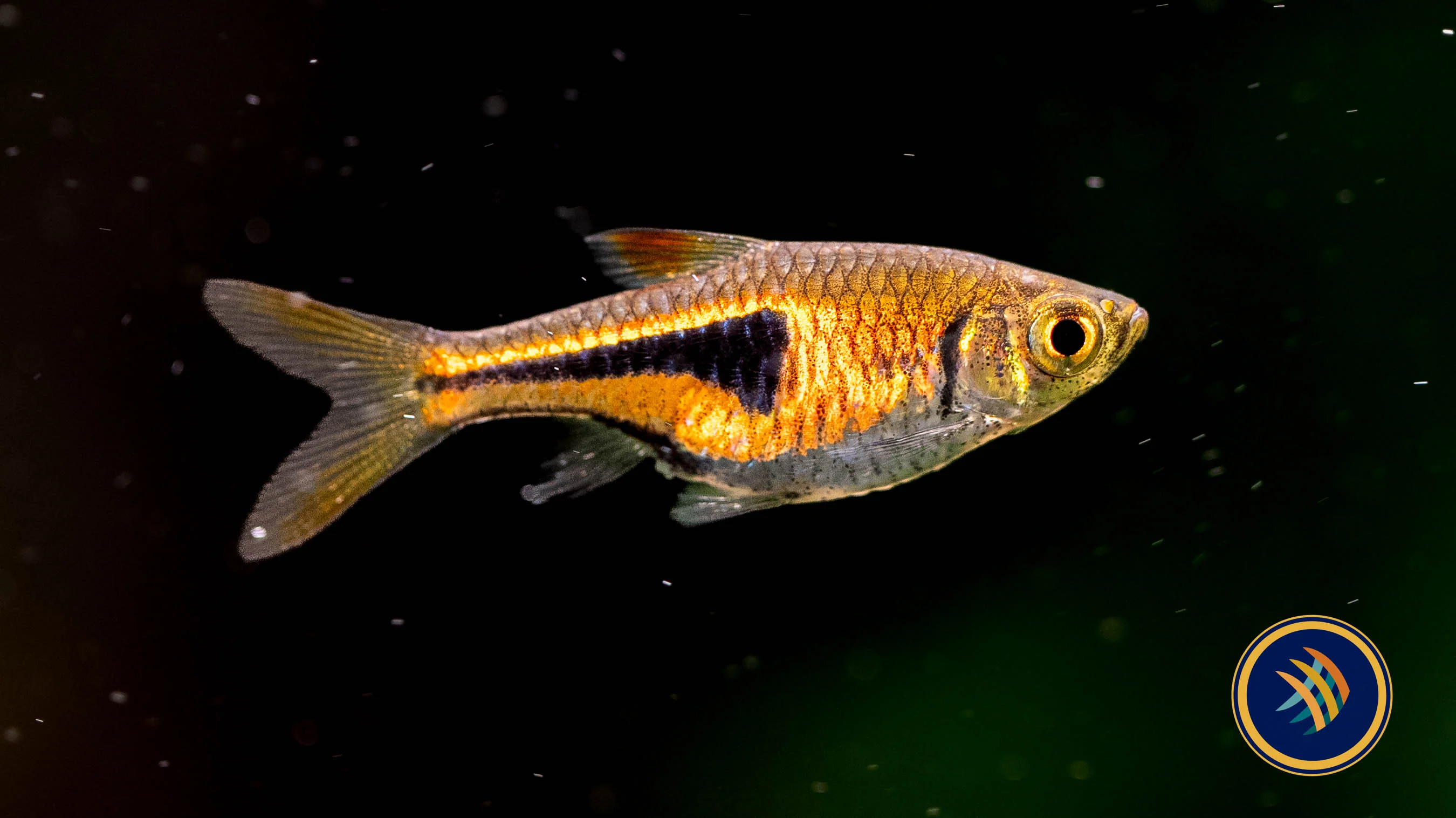
- Gold to bronze body with distinct horizontal dark stripe running nose to tail
- Fins often show orange-red highlights, especially in males
- At night or when stressed, the stripe may fade (normal behavior)
Sexual dimorphism:
- Males are slimmer, more colorful, and may spar gently
- Females are slightly larger and rounder
Natural Origin & Habitat
- Native to Guyana, Suriname, and the Amazon basin
- Found in:
- Slow-moving streams
- Flooded forest margins
- Soft, tannin-stained waters
- Often congregate under overhanging vegetation
Aquarium Care
Tank Size & Setup
- Minimum tank: 20 gallons (long tanks preferred)
- Best kept in groups of 6–10+
- Ideal setup:
- Dense planting along sides and back
- Open swimming space in the center
- Driftwood and floating plants
- Dim to moderate lighting
Water Parameters
- Temperature: 24–28 °C (75–82 °F)
- pH: 5.5–7.0
- Hardness: Soft to moderately soft (2–10 dGH)
- Appreciates slightly tinted water but adapts well to clear tanks
Behavior & Compatibility
- Generally peaceful and calm
- Males establish small territories but rarely cause harm
- Excellent community fish for peaceful South American setups
Good tankmates:
- Small tetras
- Corydoras
- Apistogramma
- Dwarf cichlids
- Otocinclus
Avoid:
- Aggressive or fin‑nipping species
- Large, fast, or boisterous fish
Diet
- Omnivorous with insectivorous preference
- Accepts:
- Flakes and micro pellets
- Frozen foods (bloodworms, brine shrimp)
- Live foods enhance color and condition
- Feed small amounts 1–2× daily
Breeding (Summary)
- Egg scatterers; no parental care
- Dense plants or spawning mops required
- Adults may eat eggs
- Fry are tiny and need infusoria or powdered fry food initially
$1.91
Original: $5.45
-65%Red Beckfords Pencilfish 2-2.5cm (Nannostomus beckfordi)—
$5.45
$1.91Product Information
Product Information
Shipping & Returns
Shipping & Returns
Description
Scientific name: Nannostomus beckfordi
Other common name: Beckford’s pencilfish
Quick Overview
- Family: Lebiasinidae
- Adult size: 5–6 cm (2–2.5 in)
- Lifespan: 4–6 years
- Temperament: Peaceful, mildly territorial males
- Difficulty: Easy–moderate
Identification & Appearance
- Slender, elongated “pencil” body shape
- Gold to bronze body with distinct horizontal dark stripe running nose to tail
- Fins often show orange-red highlights, especially in males
- At night or when stressed, the stripe may fade (normal behavior)
Sexual dimorphism:
- Males are slimmer, more colorful, and may spar gently
- Females are slightly larger and rounder
Natural Origin & Habitat
- Native to Guyana, Suriname, and the Amazon basin
- Found in:
- Slow-moving streams
- Flooded forest margins
- Soft, tannin-stained waters
- Often congregate under overhanging vegetation
Aquarium Care
Tank Size & Setup
- Minimum tank: 20 gallons (long tanks preferred)
- Best kept in groups of 6–10+
- Ideal setup:
- Dense planting along sides and back
- Open swimming space in the center
- Driftwood and floating plants
- Dim to moderate lighting
Water Parameters
- Temperature: 24–28 °C (75–82 °F)
- pH: 5.5–7.0
- Hardness: Soft to moderately soft (2–10 dGH)
- Appreciates slightly tinted water but adapts well to clear tanks
Behavior & Compatibility
- Generally peaceful and calm
- Males establish small territories but rarely cause harm
- Excellent community fish for peaceful South American setups
Good tankmates:
- Small tetras
- Corydoras
- Apistogramma
- Dwarf cichlids
- Otocinclus
Avoid:
- Aggressive or fin‑nipping species
- Large, fast, or boisterous fish
Diet
- Omnivorous with insectivorous preference
- Accepts:
- Flakes and micro pellets
- Frozen foods (bloodworms, brine shrimp)
- Live foods enhance color and condition
- Feed small amounts 1–2× daily
Breeding (Summary)
- Egg scatterers; no parental care
- Dense plants or spawning mops required
- Adults may eat eggs
- Fry are tiny and need infusoria or powdered fry food initially