🎉 Up to 70% Off Selected ItemsShop Sale
1 / 4
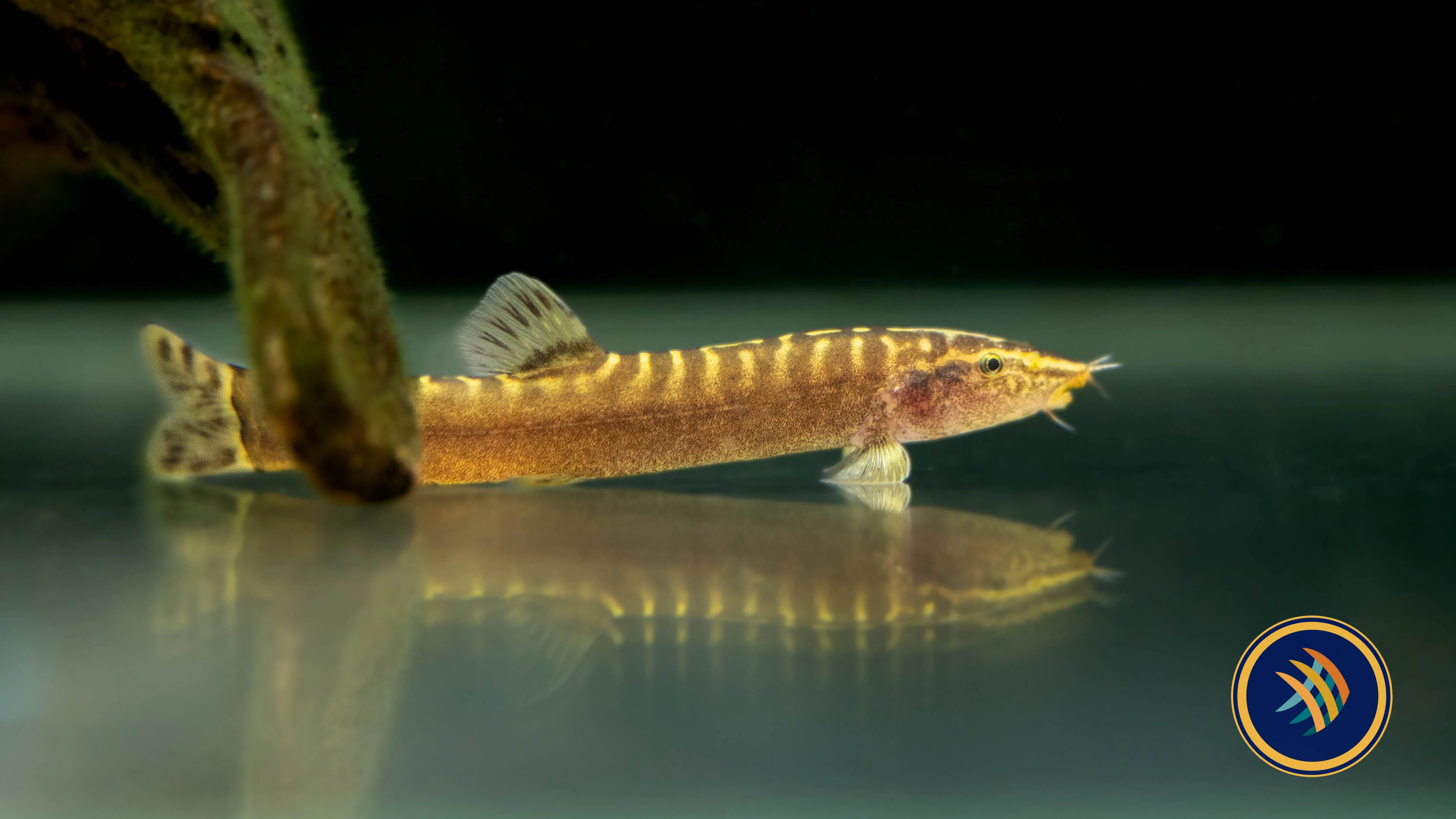
Guilin Loach (Leptobotia guilinensis)
Guilin loach, Leptobotia guilinensis, is a distinctive freshwater loach species from southern China that is appreciated both by ichthyologists and experienced aquarists for its streamlined form, subtle coloration, and river-adapted behavior.
Taxonomy & Identification
- Scientific name: Leptobotia guilinensis Chen, 1980
- Family: Botiidae
- Order: Cypriniformes
- Common names: Guilin loach (sometimes mislabelled in trade as related Sinibotia species)
Identification features:
- Slender, elongated body adapted for currents
- Brown to olive base coloration with darker mottling or banding
- Two pairs of barbels used for sensing food on the substrate
- Adults typically reach 10–12 cm (4–5 in) in total length
Natural Distribution & Habitat
- Endemic to China, mainly Guangxi Province (around Guilin) with records also from parts of Hunan Province
- Inhabits clear, oxygen-rich rivers and streams, usually with moderate to fast flow
- Prefers rocky, gravel, or sandy riverbeds, using stones for cover and foraging
Ecology & Behavior
- Demersal (bottom-dwelling) and active, often swimming into current
- Feeds on aquatic insects, small crustaceans, and other benthic invertebrates
- Social in nature; tends to form loose hierarchies rather than strict territories
Aquarium Care Guide
Best suited for intermediate aquarists or river-tank setups.
Tank Requirements
- Minimum tank size: 25 gallon.
- Aquascape: River-style with smooth stones, gravel, driftwood, and multiple hiding places
- Water flow: Moderate to strong; high oxygenation is essential
Water Parameters
- Temperature: 15.5–23.8 °C (60–75 °F)
- pH: 6.5–8.0
- Hardness: Soft to medium
Diet
- Omnivorous and easy to feed
- Accepts sinking pellets, frozen foods (bloodworms, daphnia), and occasional live foods
- Benefits from dietary variety [
Compatibility
- Peaceful but active; may intimidate very small or slow fish
- Best kept in groups of 3–5 to reduce stress and increase natural behavior
- Compatible with peaceful cyprinids and other riverine species
Breeding
- No confirmed aquarium breeding records
- Sexual dimorphism is unclear; mature females may be slightly rounder-bodied
Conservation Status
- IUCN Red List: Least Concern (LC)
- Assessment date: 19 January 2011
- No current evidence of major population decline, though habitat degradation and localized collection may pose future risks
$21.81
Guilin Loach (Leptobotia guilinensis)—
$21.81
Product Information
Product Information
Shipping & Returns
Shipping & Returns
Description
Guilin loach, Leptobotia guilinensis, is a distinctive freshwater loach species from southern China that is appreciated both by ichthyologists and experienced aquarists for its streamlined form, subtle coloration, and river-adapted behavior.
Taxonomy & Identification
- Scientific name: Leptobotia guilinensis Chen, 1980
- Family: Botiidae
- Order: Cypriniformes
- Common names: Guilin loach (sometimes mislabelled in trade as related Sinibotia species)
Identification features:
- Slender, elongated body adapted for currents
- Brown to olive base coloration with darker mottling or banding
- Two pairs of barbels used for sensing food on the substrate
- Adults typically reach 10–12 cm (4–5 in) in total length
Natural Distribution & Habitat
- Endemic to China, mainly Guangxi Province (around Guilin) with records also from parts of Hunan Province
- Inhabits clear, oxygen-rich rivers and streams, usually with moderate to fast flow
- Prefers rocky, gravel, or sandy riverbeds, using stones for cover and foraging
Ecology & Behavior
- Demersal (bottom-dwelling) and active, often swimming into current
- Feeds on aquatic insects, small crustaceans, and other benthic invertebrates
- Social in nature; tends to form loose hierarchies rather than strict territories
Aquarium Care Guide
Best suited for intermediate aquarists or river-tank setups.
Tank Requirements
- Minimum tank size: 25 gallon.
- Aquascape: River-style with smooth stones, gravel, driftwood, and multiple hiding places
- Water flow: Moderate to strong; high oxygenation is essential
Water Parameters
- Temperature: 15.5–23.8 °C (60–75 °F)
- pH: 6.5–8.0
- Hardness: Soft to medium
Diet
- Omnivorous and easy to feed
- Accepts sinking pellets, frozen foods (bloodworms, daphnia), and occasional live foods
- Benefits from dietary variety [
Compatibility
- Peaceful but active; may intimidate very small or slow fish
- Best kept in groups of 3–5 to reduce stress and increase natural behavior
- Compatible with peaceful cyprinids and other riverine species
Breeding
- No confirmed aquarium breeding records
- Sexual dimorphism is unclear; mature females may be slightly rounder-bodied
Conservation Status
- IUCN Red List: Least Concern (LC)
- Assessment date: 19 January 2011
- No current evidence of major population decline, though habitat degradation and localized collection may pose future risks