🎉 Up to 70% Off Selected ItemsShop Sale
1 / 4
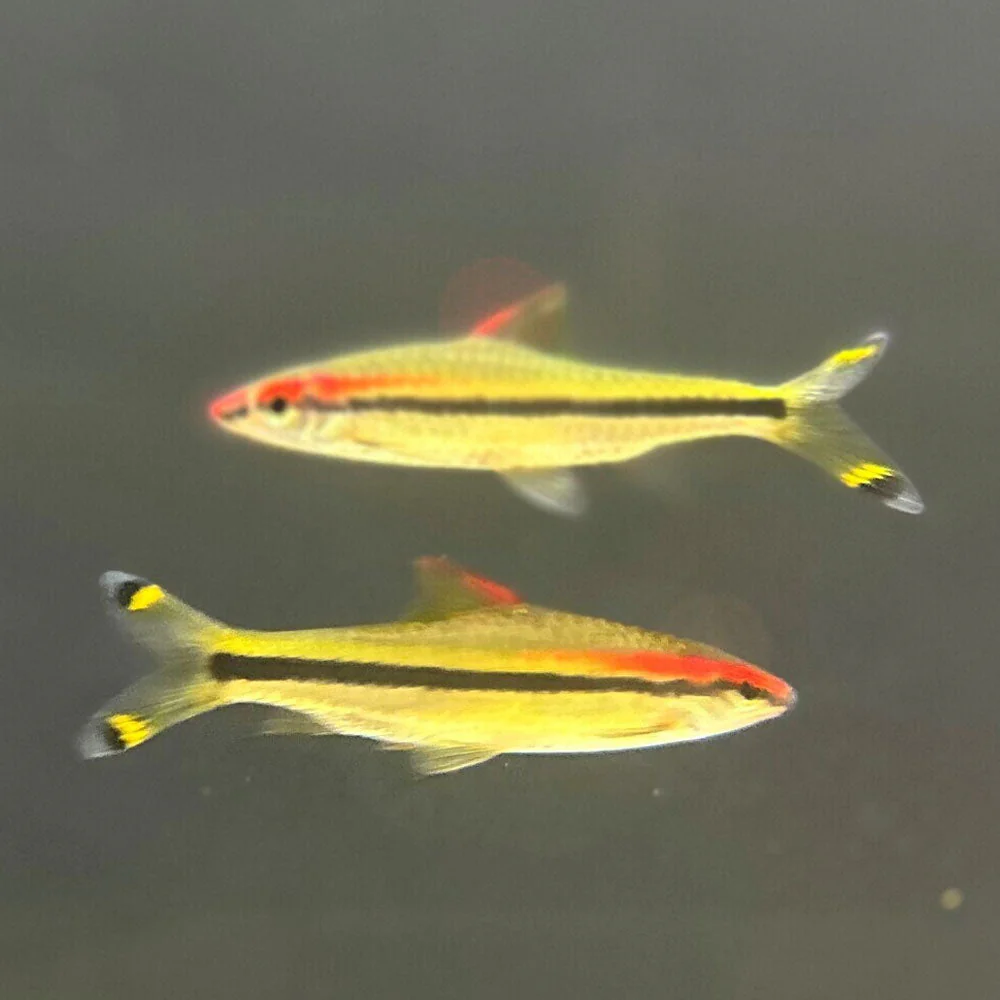
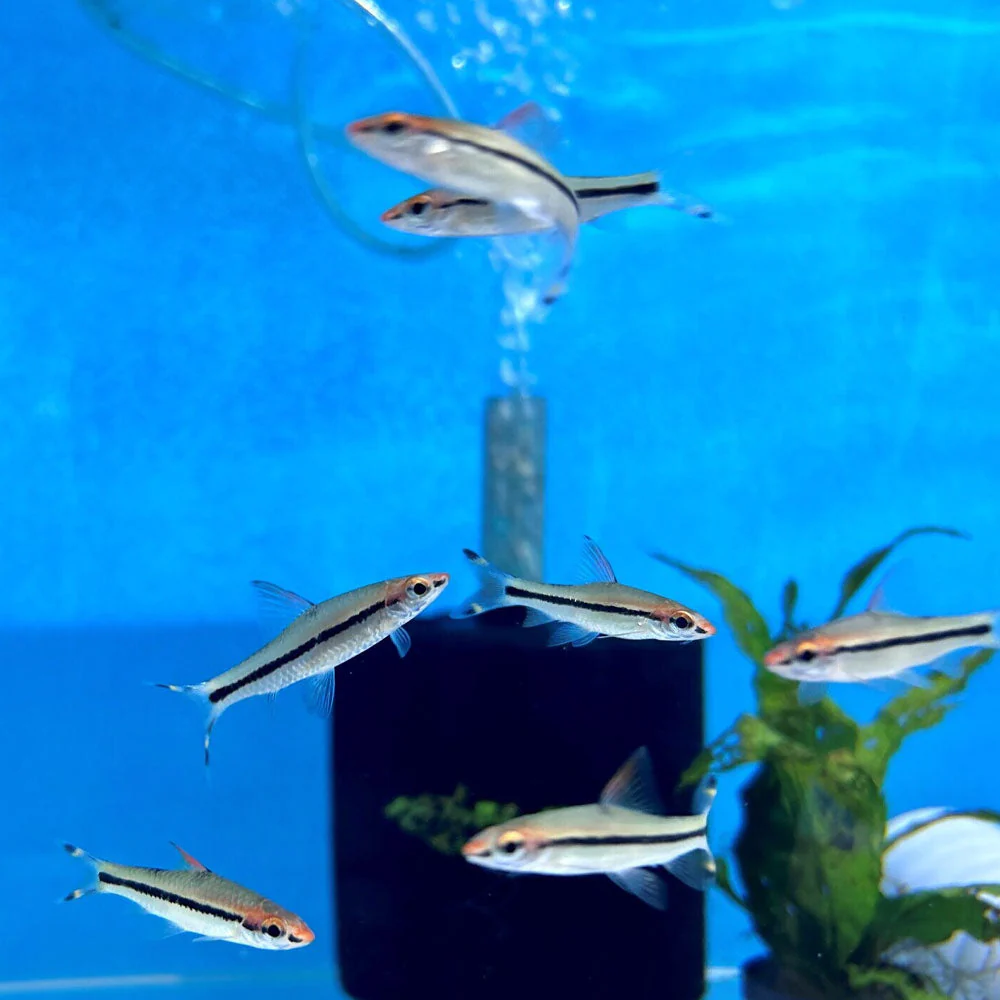
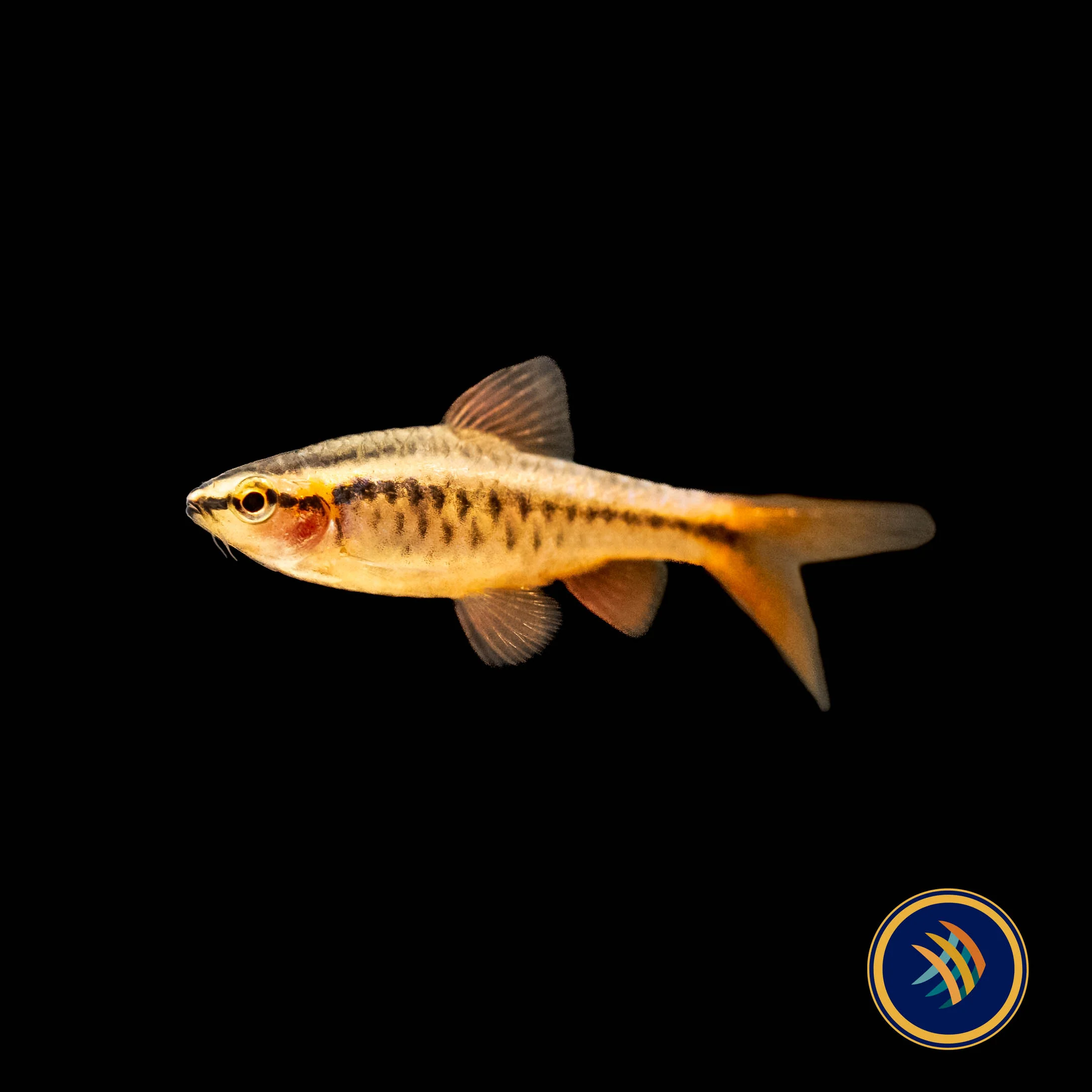
Cherry Barb (Puntius titteya)
Cherry Barbs (Puntius titteya) are a popular freshwater fish among aquarium enthusiasts.
Appearance
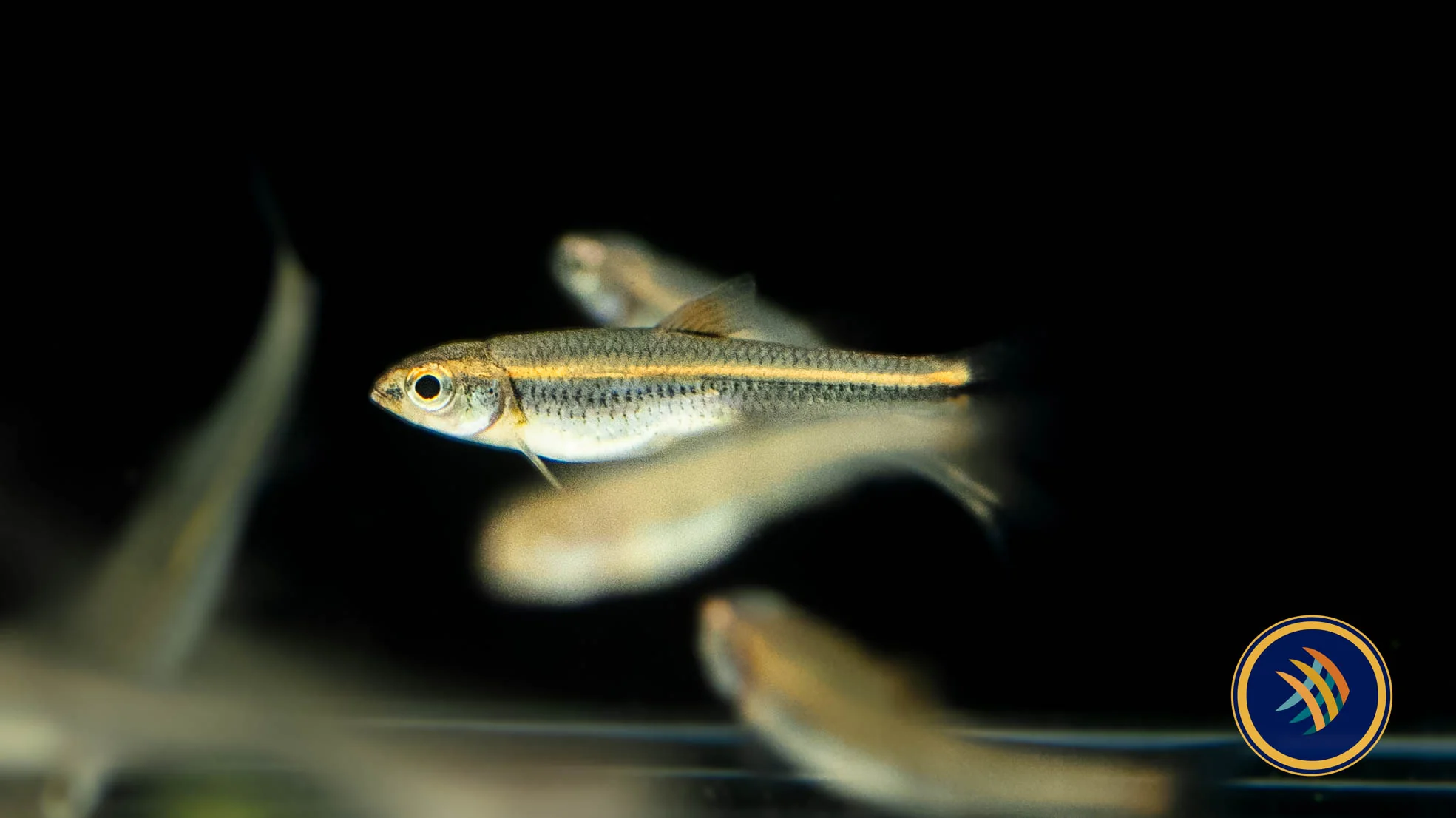
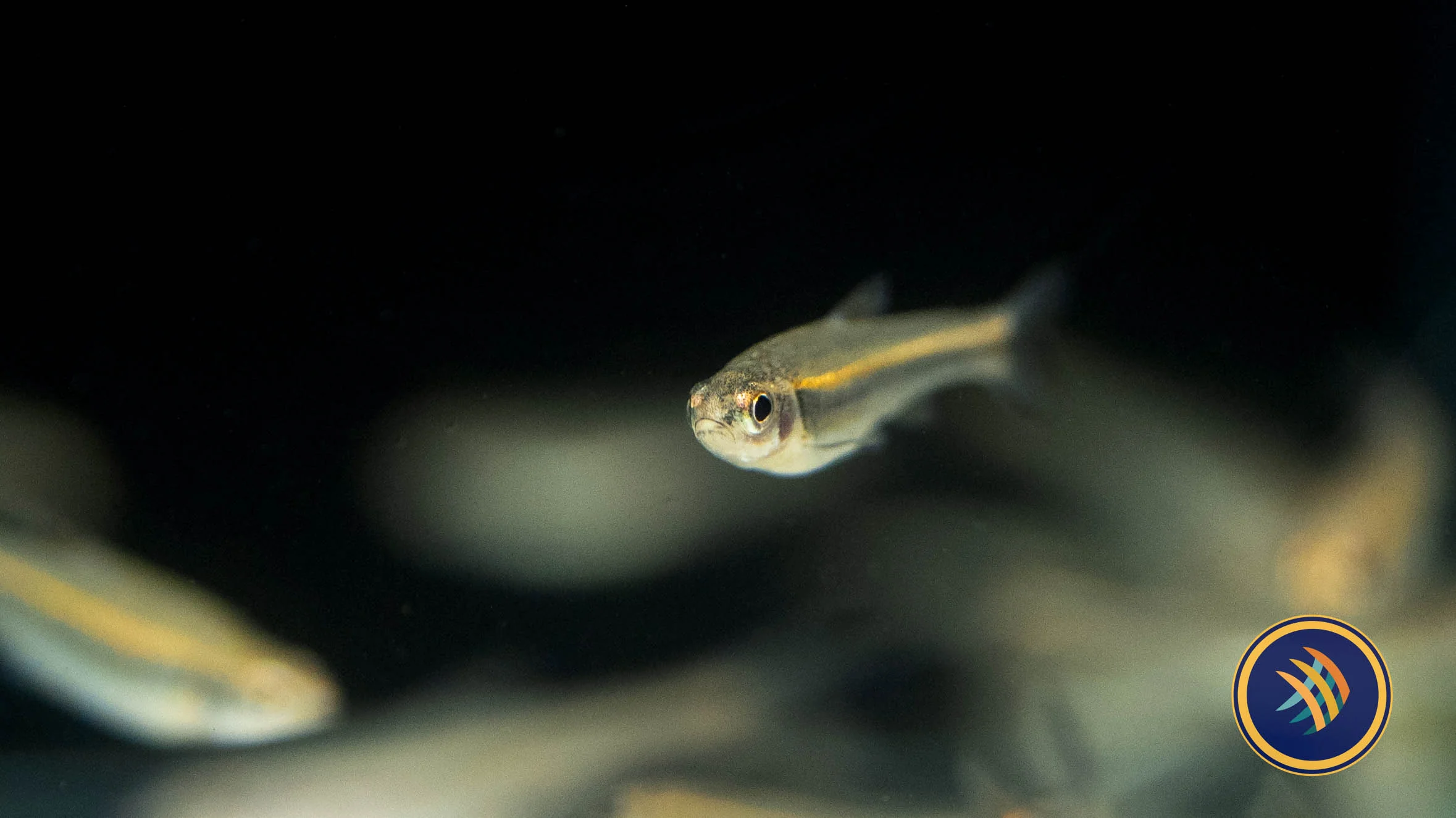
- Small, slender fish, usually around 2 inches (5 cm) long.
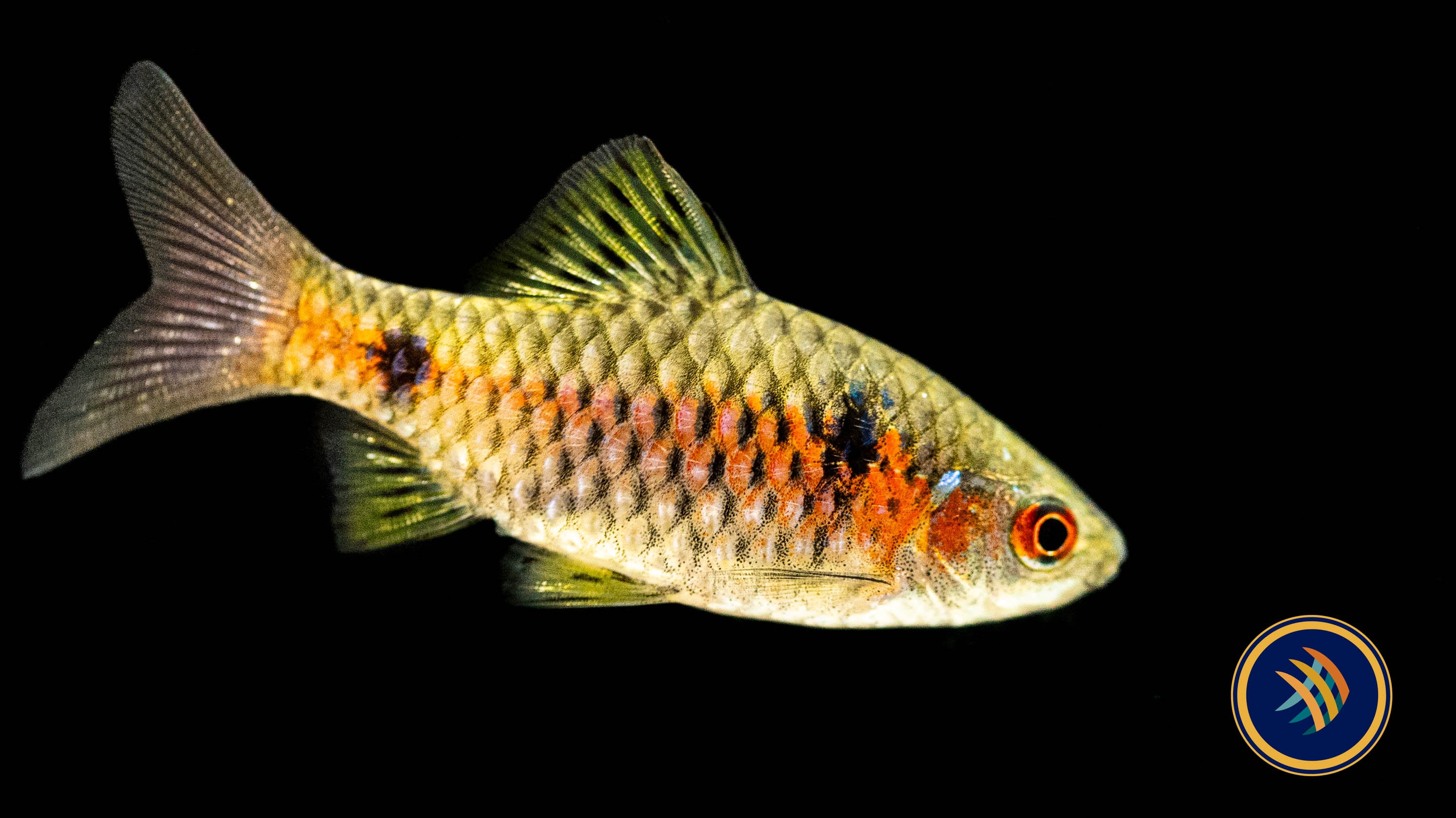
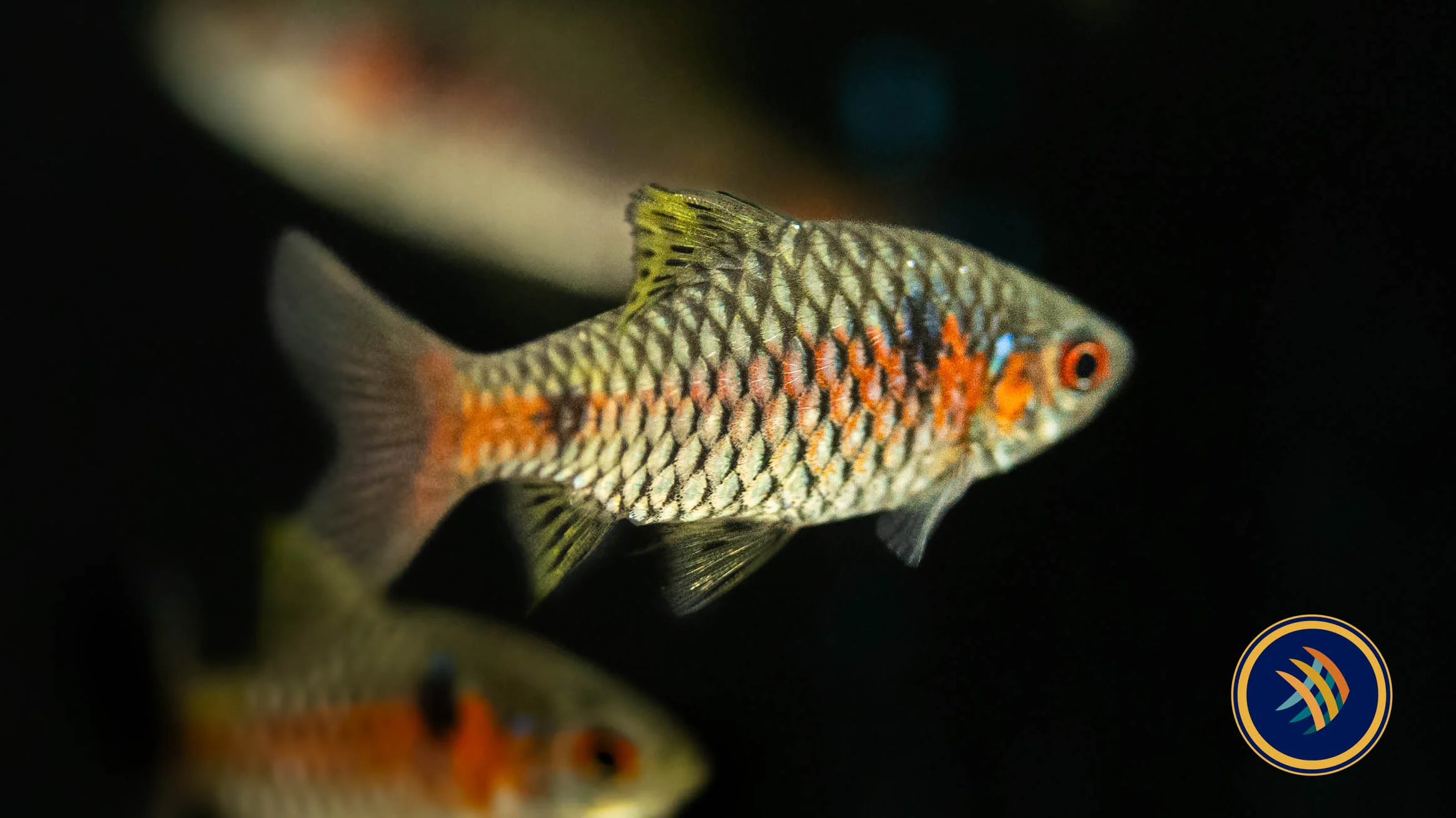
- Males are more vibrant, showing deep red coloration, especially during breeding.
- Females are paler, often with a light pink or brownish hue.
Behavior
- Peaceful and active schooling fish.
- Best kept in groups of 6 or more to reduce stress and encourage natural behavior.
Tank Requirements
- Tank Size: Minimum 20 gallons for a small school.
-
Water Parameters:
- Temperature: 73–81°F (23–27°C)
- pH: 6.0–7.5
- Soft to moderately hard water.
- Aquascaping: Dense plants, driftwood, and hiding spots mimic their natural habitat.
Diet
- Omnivorous: Enjoys high-quality flakes, micro pellets, and live/frozen foods like brine shrimp or daphnia.
Breeding
- Easy to breed in captivity.
- Males display intense red coloration during spawning.
- Eggs are scattered among plants; parents do not guard them.
$1.65
Original: $4.72
-65%Cherry Barb (Puntius titteya)—
$4.72
$1.65Product Information
Product Information
Shipping & Returns
Shipping & Returns
Description
Cherry Barbs (Puntius titteya) are a popular freshwater fish among aquarium enthusiasts.
Appearance
- Small, slender fish, usually around 2 inches (5 cm) long.
- Males are more vibrant, showing deep red coloration, especially during breeding.
- Females are paler, often with a light pink or brownish hue.
Behavior
- Peaceful and active schooling fish.
- Best kept in groups of 6 or more to reduce stress and encourage natural behavior.
Tank Requirements
- Tank Size: Minimum 20 gallons for a small school.
-
Water Parameters:
- Temperature: 73–81°F (23–27°C)
- pH: 6.0–7.5
- Soft to moderately hard water.
- Aquascaping: Dense plants, driftwood, and hiding spots mimic their natural habitat.
Diet
- Omnivorous: Enjoys high-quality flakes, micro pellets, and live/frozen foods like brine shrimp or daphnia.
Breeding
- Easy to breed in captivity.
- Males display intense red coloration during spawning.
- Eggs are scattered among plants; parents do not guard them.