🎉 Up to 70% Off Selected ItemsShop Sale
1 / 4
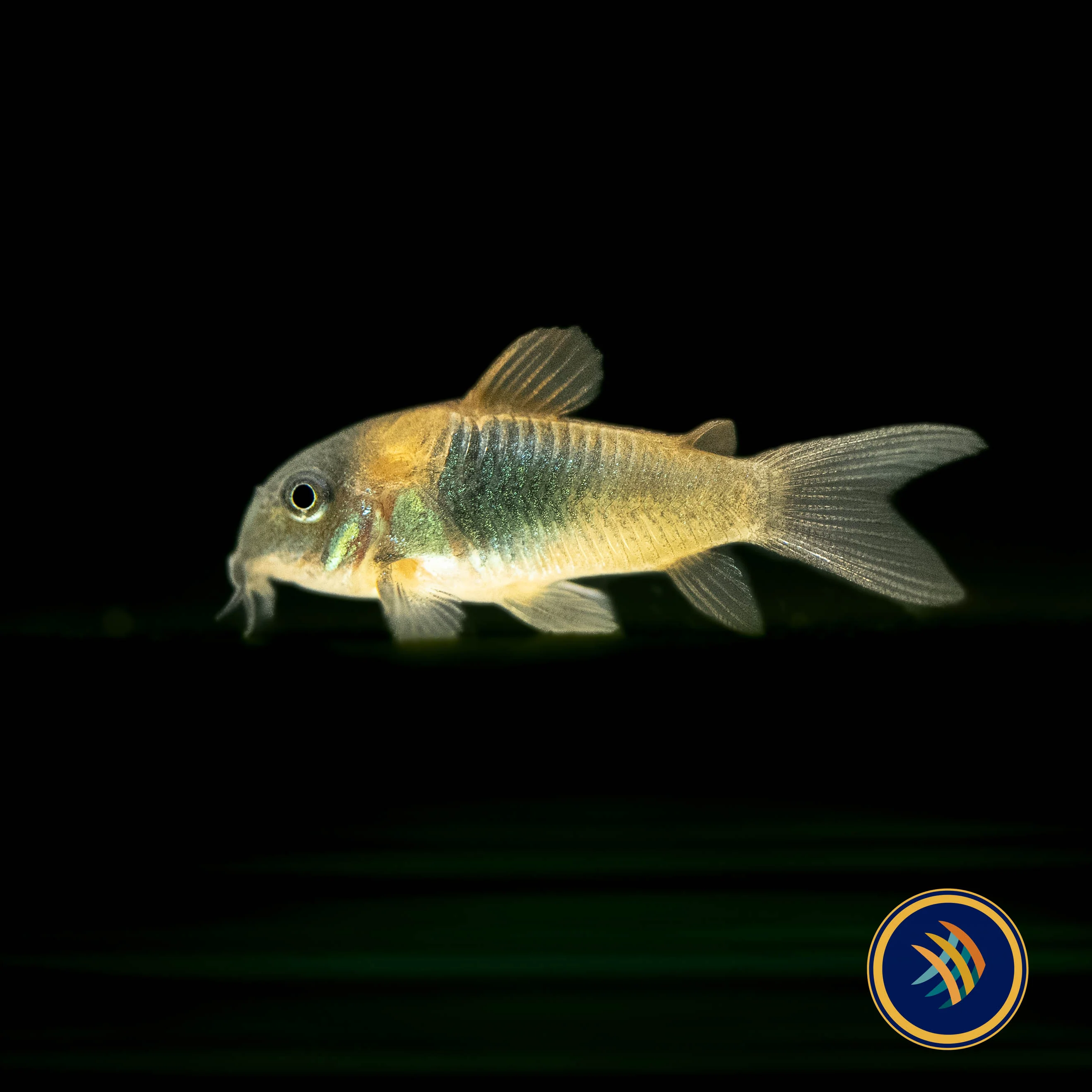
Venezuelan Orange Corydora (Corydoras venezuelanus)
Venezuelan Orange Corydora, also known as Corydoras venezuelanus, is a popular tropical freshwater fish native to the Orinoco River basin and its tributaries in Venezuela
- Appearance: They have a vibrant orange-red coloration with dark stripes running down their bodies. Their bodies are covered in bony plates, giving them an "armored" appearance
- Size: They typically grow to about 2.5 to 3 inches (6.3 to 7.5 cm) in length
- Behavior: These fish are peaceful and social, making them great for community tanks. They thrive in groups of six or more.
- Diet: They are omnivores and can be fed a variety of foods, including high-quality flake food, live or frozen foods such as daphnia, bloodworms, and mosquito larvae
- Habitat: In the wild, they inhabit slow-moving, sandy-bottomed rivers and streams. In an aquarium, they prefer a similar setup with a soft substrate and plenty of hiding spots
$3.81
Original: $10.90
-65%Venezuelan Orange Corydora (Corydoras venezuelanus)—
$10.90
$3.81Product Information
Product Information
Shipping & Returns
Shipping & Returns
Description
Venezuelan Orange Corydora, also known as Corydoras venezuelanus, is a popular tropical freshwater fish native to the Orinoco River basin and its tributaries in Venezuela
- Appearance: They have a vibrant orange-red coloration with dark stripes running down their bodies. Their bodies are covered in bony plates, giving them an "armored" appearance
- Size: They typically grow to about 2.5 to 3 inches (6.3 to 7.5 cm) in length
- Behavior: These fish are peaceful and social, making them great for community tanks. They thrive in groups of six or more.
- Diet: They are omnivores and can be fed a variety of foods, including high-quality flake food, live or frozen foods such as daphnia, bloodworms, and mosquito larvae
- Habitat: In the wild, they inhabit slow-moving, sandy-bottomed rivers and streams. In an aquarium, they prefer a similar setup with a soft substrate and plenty of hiding spots