Golden Kuhli Loach (Pangio Doriae)
Common Name: Doria’s Kuhli Loach
Scientific Name: Pangio doriae
Family: Cobitidae
Origin: Sumatra, Borneo (Indonesia)
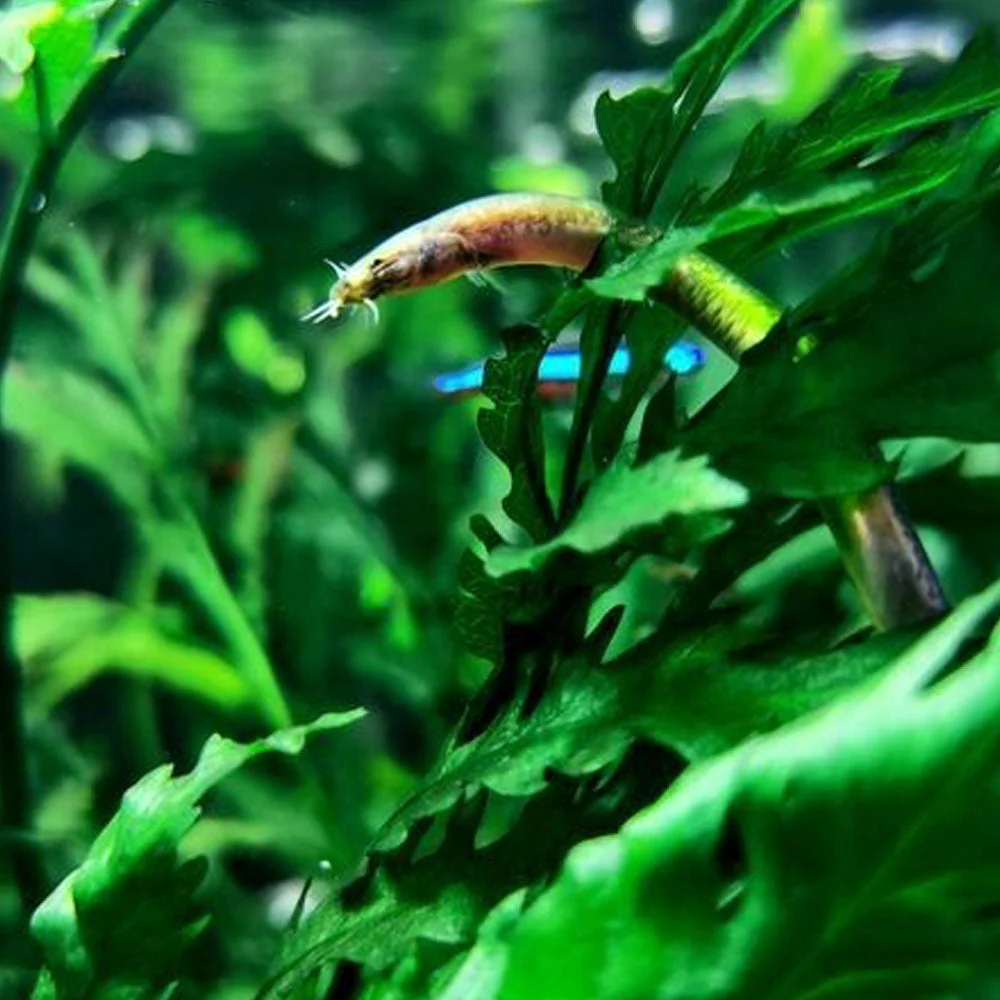
Pangio doriae is a slender, eel-like loach similar to the common kuhli loach but with more uniform coloration and subtle, fine banding. They are peaceful, nocturnal, and highly social, preferring to live in groups and spend most of their time exploring leaf litter, plants, and fine substrates.
Care Requirements
Tank Size
Minimum: 20 gallons (long footprint preferred)
Ideal: 30+ gallons with plenty of hiding spaces
Water Parameters
| Parameter | Ideal Range |
|---|---|
| Temperature | 24–28°C (75–82°F) |
| pH | 5.5–7.0 |
| GH | 1–6 dGH (soft) |
| KH | 1–4 dKH |
| TDS | 80–150 ppm |
Prefers blackwater or tannin-rich environments but adapts well to planted community aquariums.
Behaviour
- Peaceful, shy, and nocturnal
- Best in groups of 6+ individuals
- Burrows in sand; must have smooth, fine substrate
- Extremely peaceful with most small community fish
Diet
Omnivore / micro-predator
- Frozen foods: bloodworms, daphnia, brine shrimp
- Sinking micro pellets
- Repashy gel foods
- Will scavenge but must be target fed after lights out
Tank Setup
- Soft sand substrate (essential — prevents barbel damage)
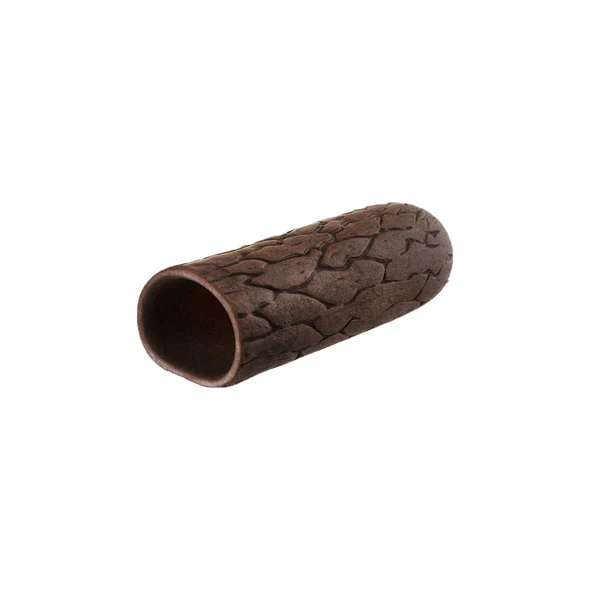
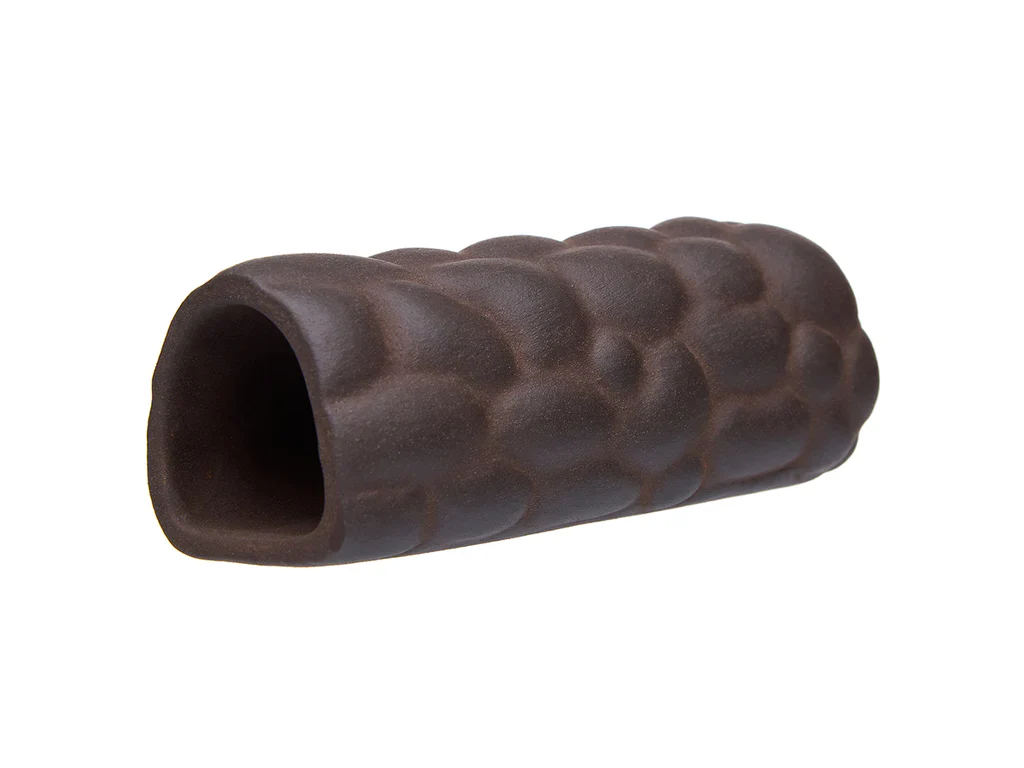
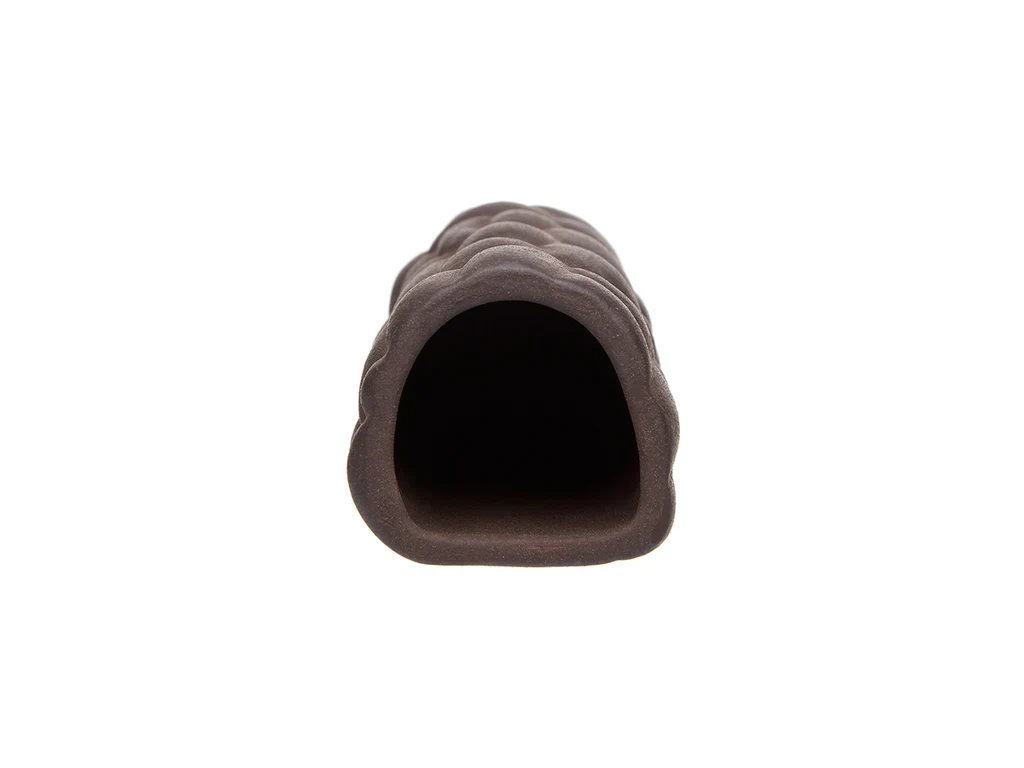
- Dense plants, leaf litter, caves, and driftwood
- Gentle water flow; dim or diffused lighting
- Tight-fitting lid (excellent escape artists)
Breeding
Very rare in captivity.
Egg scatterers; require heavily planted environments and extremely soft, warm water. Not commonly bred in commercial settings.
Excellent with:
Small rasboras
Tetras
Gouramis
Corydoras
Other peaceful loaches
Shrimp (may eat shrimplets)
Avoid:
Large cichlids
Aggressive barbs
Fish that outcompete for food
Product Information
Product Information
Shipping & Returns
Shipping & Returns
Description
Common Name: Doria’s Kuhli Loach
Scientific Name: Pangio doriae
Family: Cobitidae
Origin: Sumatra, Borneo (Indonesia)
Pangio doriae is a slender, eel-like loach similar to the common kuhli loach but with more uniform coloration and subtle, fine banding. They are peaceful, nocturnal, and highly social, preferring to live in groups and spend most of their time exploring leaf litter, plants, and fine substrates.
Care Requirements
Tank Size
Minimum: 20 gallons (long footprint preferred)
Ideal: 30+ gallons with plenty of hiding spaces
Water Parameters
| Parameter | Ideal Range |
|---|---|
| Temperature | 24–28°C (75–82°F) |
| pH | 5.5–7.0 |
| GH | 1–6 dGH (soft) |
| KH | 1–4 dKH |
| TDS | 80–150 ppm |
Prefers blackwater or tannin-rich environments but adapts well to planted community aquariums.
Behaviour
- Peaceful, shy, and nocturnal
- Best in groups of 6+ individuals
- Burrows in sand; must have smooth, fine substrate
- Extremely peaceful with most small community fish
Diet
Omnivore / micro-predator
- Frozen foods: bloodworms, daphnia, brine shrimp
- Sinking micro pellets
- Repashy gel foods
- Will scavenge but must be target fed after lights out
Tank Setup
- Soft sand substrate (essential — prevents barbel damage)
- Dense plants, leaf litter, caves, and driftwood
- Gentle water flow; dim or diffused lighting
- Tight-fitting lid (excellent escape artists)
Breeding
Very rare in captivity.
Egg scatterers; require heavily planted environments and extremely soft, warm water. Not commonly bred in commercial settings.
Excellent with:
Small rasboras
Tetras
Gouramis
Corydoras
Other peaceful loaches
Shrimp (may eat shrimplets)
Avoid:
Large cichlids
Aggressive barbs
Fish that outcompete for food