🎉 Up to 70% Off Selected ItemsShop Sale
HomeStore

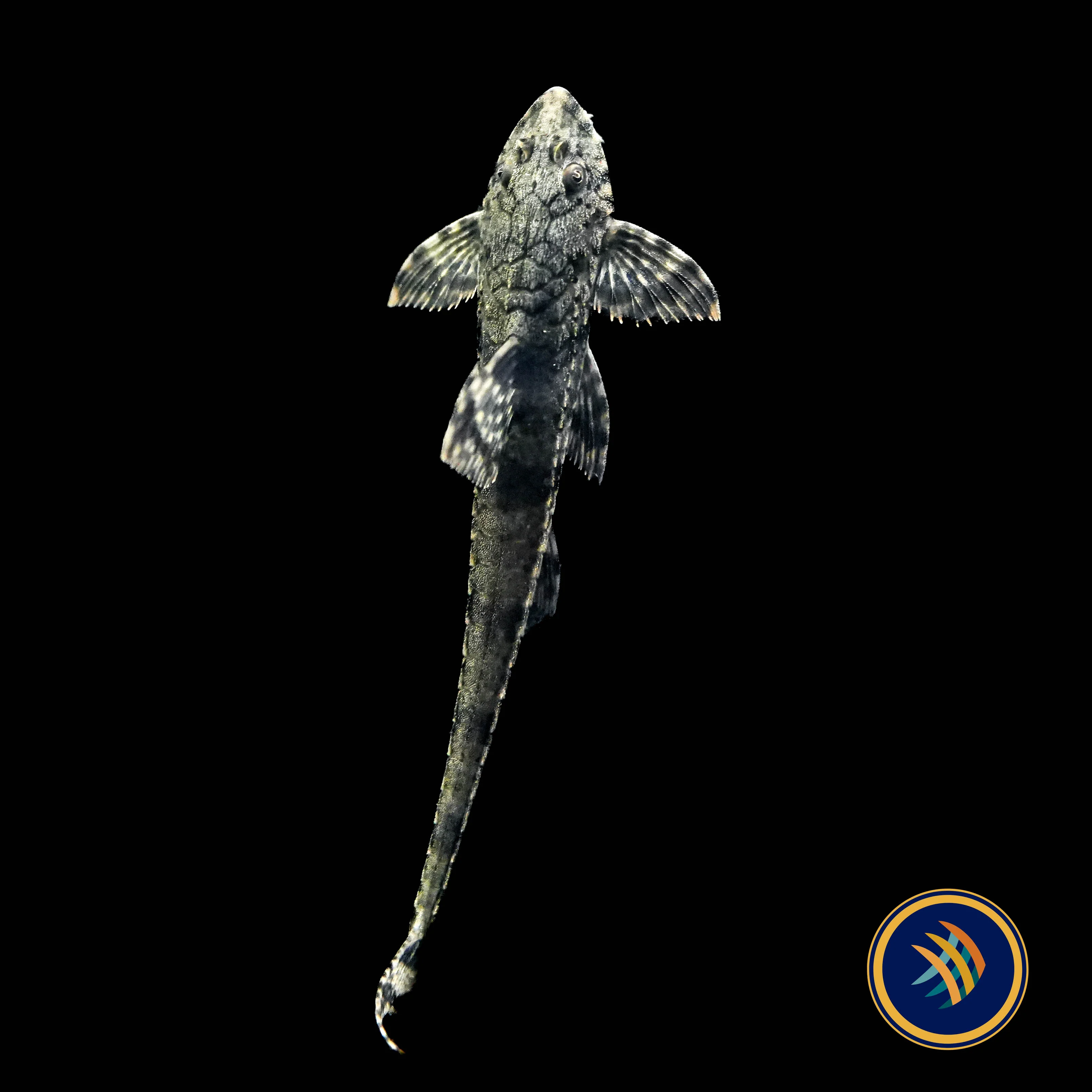
Haseman's Whiptail Catfish (Rineloricaria hasemani)

Product image 1
1 / 4

Haseman's Whiptail Catfish (Rineloricaria hasemani)

Rineloricaria hasemani, commonly known as Haseman's Whiptail Catfish, is a peaceful and attractive member of the Loricariidae family, popular in the aquarium trade for its unique appearance and gentle nature. 


Species Overview

  • Scientific Name: Rineloricaria hasemani (IsbrĂĽcker & Nijssen, 1979)
  • Synonym: Hemiloricaria hasemani
  • Common Name: Haseman’s Whiptail Catfish
  • Family: Loricariidae
  • Origin: Lower Amazon and Tocantins River basins, Brazil 
  • Size: Up to 19.8 cm (7.8 inches), though typically around 13–15 cm in aquariums 
  • IUCN Status: Data Deficient 

Habitat & Tank Requirements

  • Natural Habitat: Forest streams with sandy or muddy bottoms, often near submerged vegetation or leaf litter
  • Tank Size: Minimum 30 gallons for a small group
  • Substrate: Fine sand or smooth gravel
  • Decor: Driftwood, bamboo stalks, long-leaved plants for resting
  • Water Parameters:
    • Temperature: 24–29°C (75–84°F)
    • pH: 6.0–7.5
    • Hardness: Soft to moderately hard water
  • Filtration: Gentle flow; prefers clean, well-oxygenated water

Diet

  • Feeding Type: Omnivore
  • Preferred Foods:
    • Vegetables: cucumber, zucchini
    • Prepared: sinking tablets, wafers, flakes
    • Frozen/live: bloodworms, brine shrimp (occasionally)

Behavior & Compatibility

  • Temperament: Peaceful and shy
  • Activity: Mostly nocturnal; rests during the day
  • Tankmates: Ideal with other peaceful species like tetras, rasboras, and dwarf cichlids
  • Social Needs: Can be kept singly or in small groups

Breeding

  • Method: Cave spawner
  • Process:
    • Male cleans a cave or tube
    • Female lays eggs inside
    • Male guards and fans eggs until hatching (4–5 days)
  • Fry Care: Remove male post-hatching; fry feed on infusoria and powdered foods

Appearance

  • Body Shape: Slender, elongated with a whip-like tail
  • Coloration: Brown to tan with subtle mottling; armored plates along the body
  • Special Traits: Suckermouth for algae grazing; facultative air-breather
$18.18
Haseman's Whiptail Catfish (Rineloricaria hasemani)—
$18.18

Product Information

Shipping & Returns

Description

Rineloricaria hasemani, commonly known as Haseman's Whiptail Catfish, is a peaceful and attractive member of the Loricariidae family, popular in the aquarium trade for its unique appearance and gentle nature. 


Species Overview

  • Scientific Name: Rineloricaria hasemani (IsbrĂĽcker & Nijssen, 1979)
  • Synonym: Hemiloricaria hasemani
  • Common Name: Haseman’s Whiptail Catfish
  • Family: Loricariidae
  • Origin: Lower Amazon and Tocantins River basins, Brazil 
  • Size: Up to 19.8 cm (7.8 inches), though typically around 13–15 cm in aquariums 
  • IUCN Status: Data Deficient 

Habitat & Tank Requirements

  • Natural Habitat: Forest streams with sandy or muddy bottoms, often near submerged vegetation or leaf litter
  • Tank Size: Minimum 30 gallons for a small group
  • Substrate: Fine sand or smooth gravel
  • Decor: Driftwood, bamboo stalks, long-leaved plants for resting
  • Water Parameters:
    • Temperature: 24–29°C (75–84°F)
    • pH: 6.0–7.5
    • Hardness: Soft to moderately hard water
  • Filtration: Gentle flow; prefers clean, well-oxygenated water

Diet

  • Feeding Type: Omnivore
  • Preferred Foods:
    • Vegetables: cucumber, zucchini
    • Prepared: sinking tablets, wafers, flakes
    • Frozen/live: bloodworms, brine shrimp (occasionally)

Behavior & Compatibility

  • Temperament: Peaceful and shy
  • Activity: Mostly nocturnal; rests during the day
  • Tankmates: Ideal with other peaceful species like tetras, rasboras, and dwarf cichlids
  • Social Needs: Can be kept singly or in small groups

Breeding

  • Method: Cave spawner
  • Process:
    • Male cleans a cave or tube
    • Female lays eggs inside
    • Male guards and fans eggs until hatching (4–5 days)
  • Fry Care: Remove male post-hatching; fry feed on infusoria and powdered foods

Appearance

  • Body Shape: Slender, elongated with a whip-like tail
  • Coloration: Brown to tan with subtle mottling; armored plates along the body
  • Special Traits: Suckermouth for algae grazing; facultative air-breather