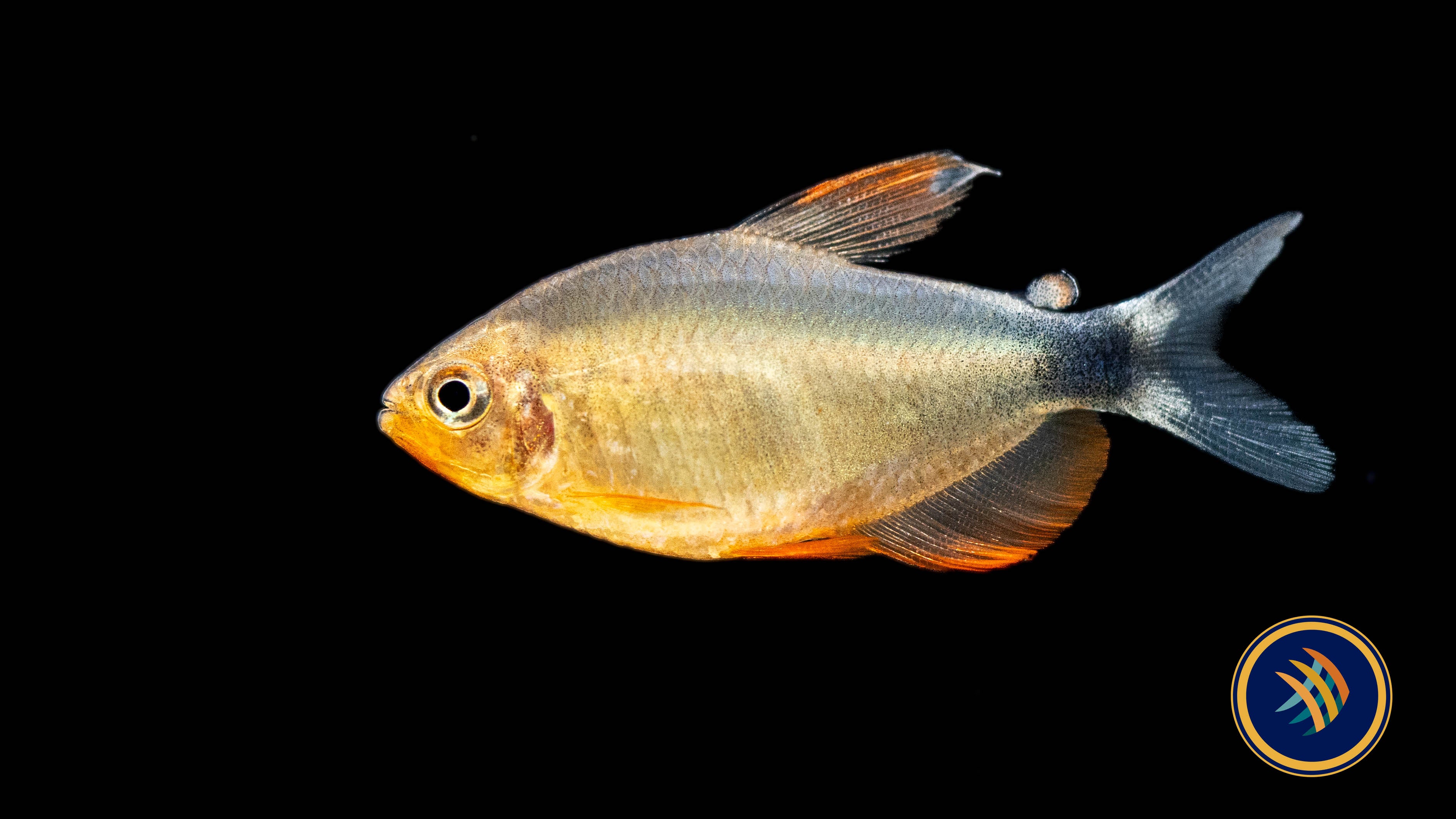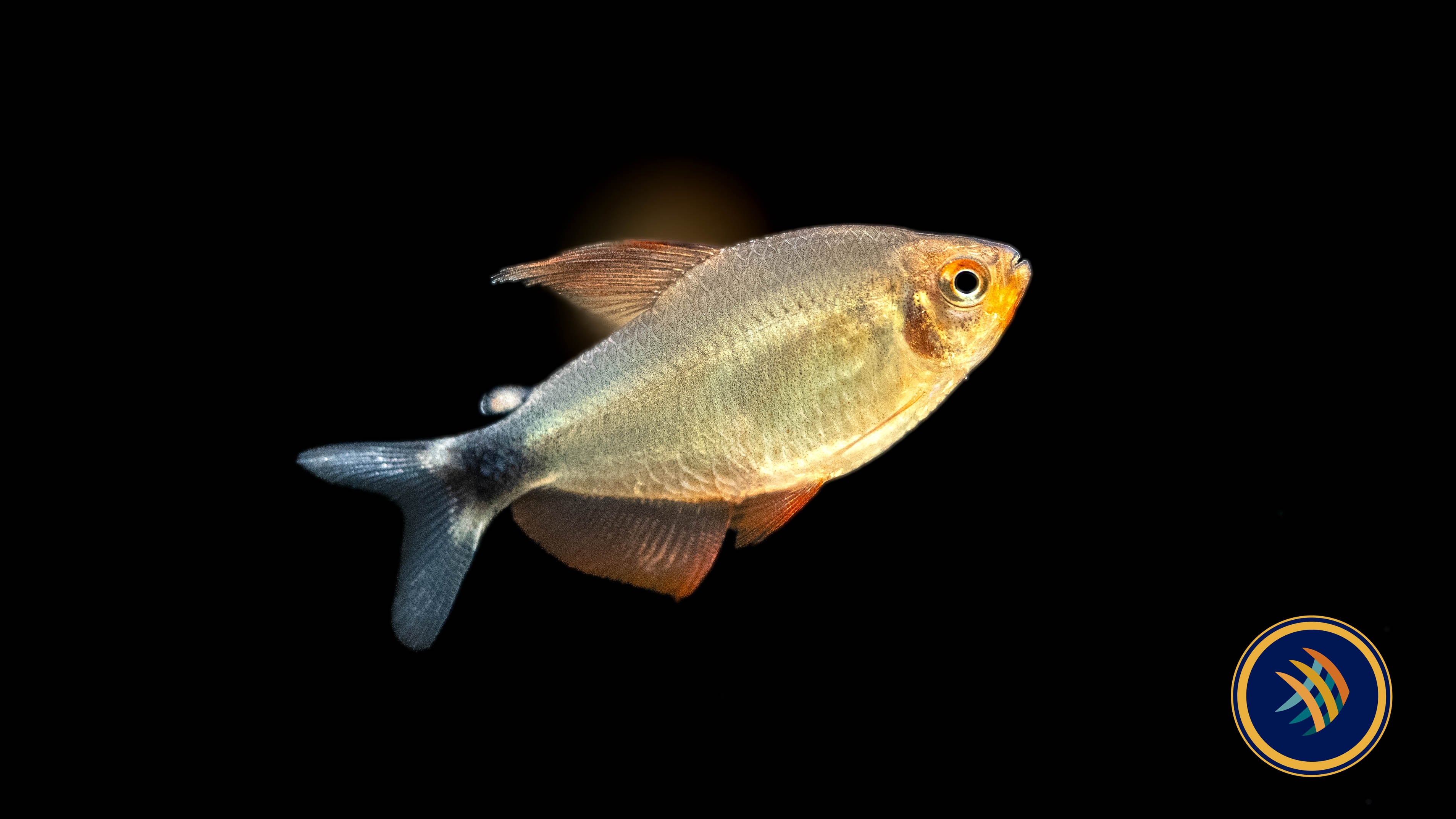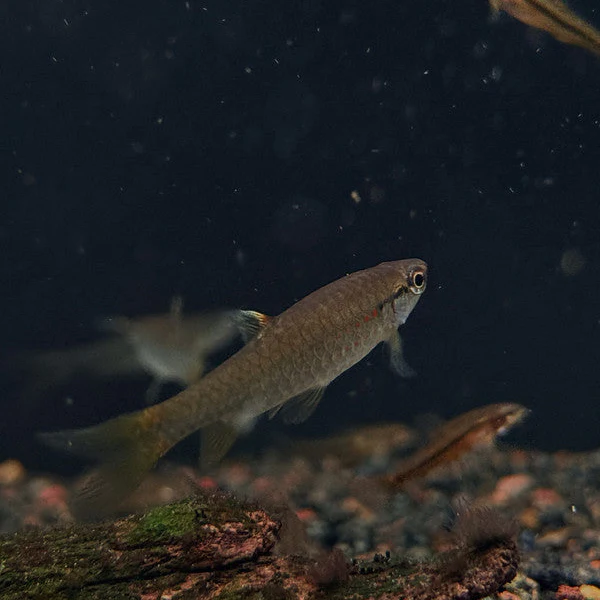
Humpbacked Limia (Limia nigrofasciata) Aquarium Glaser
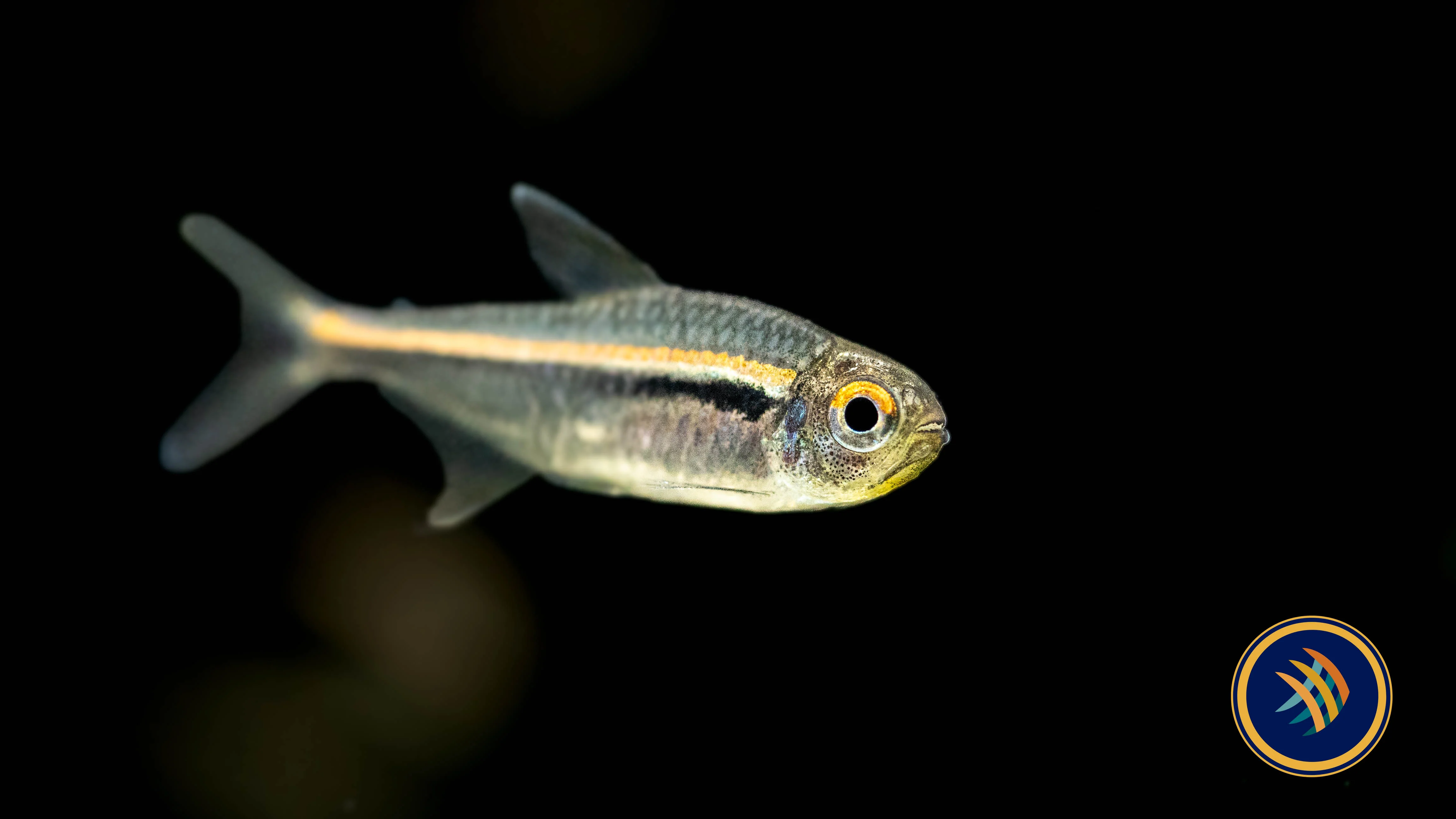
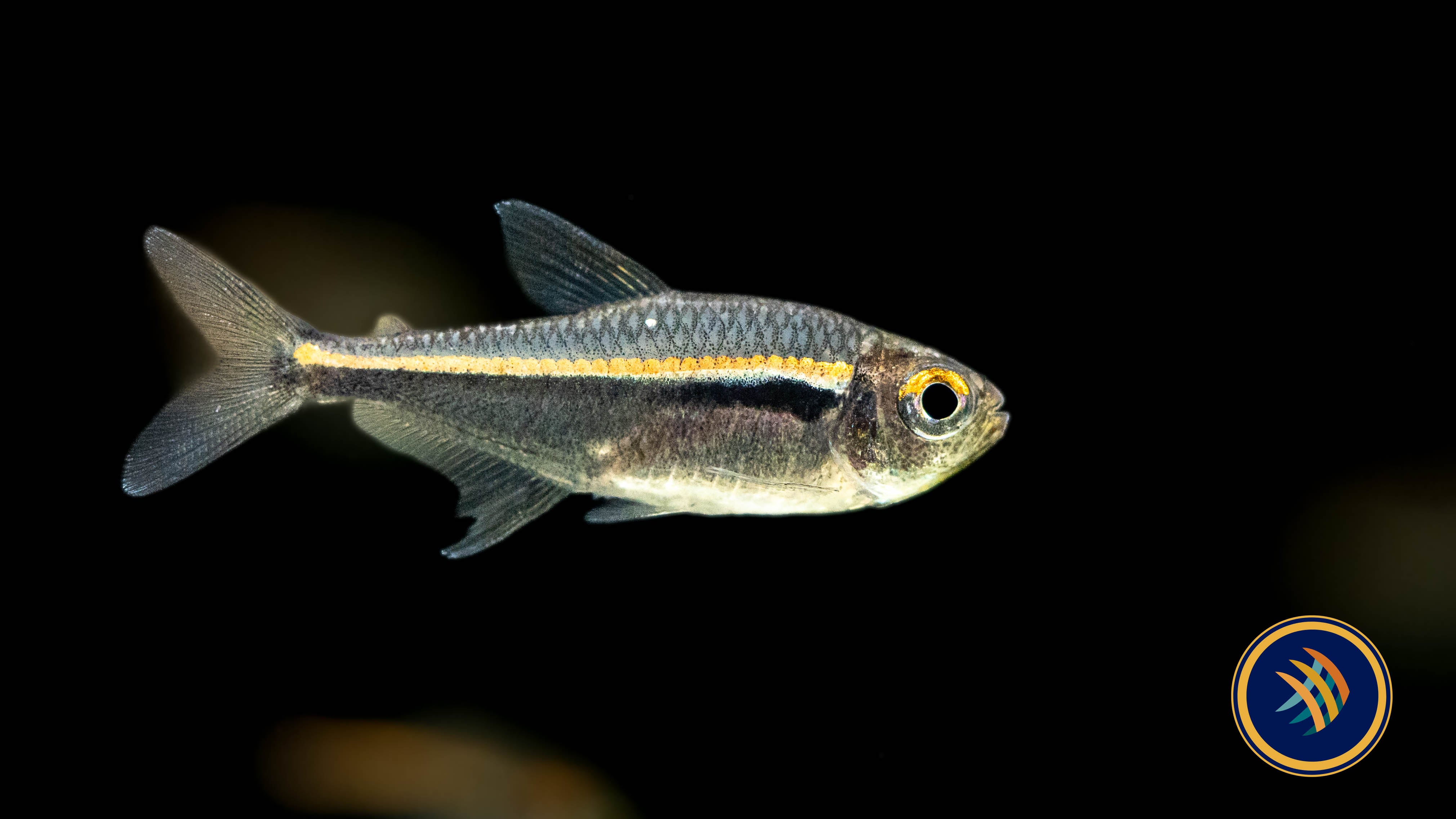
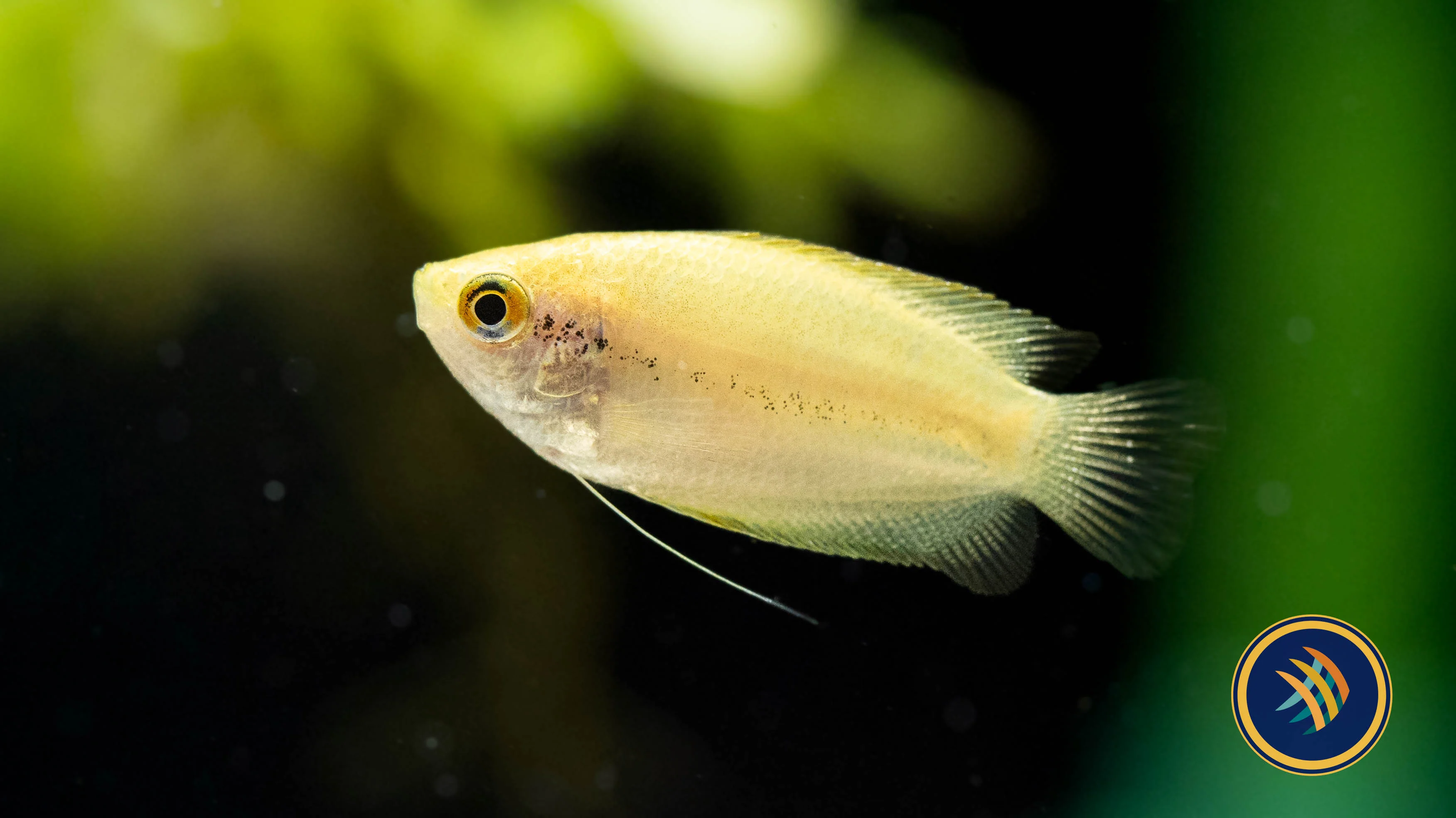
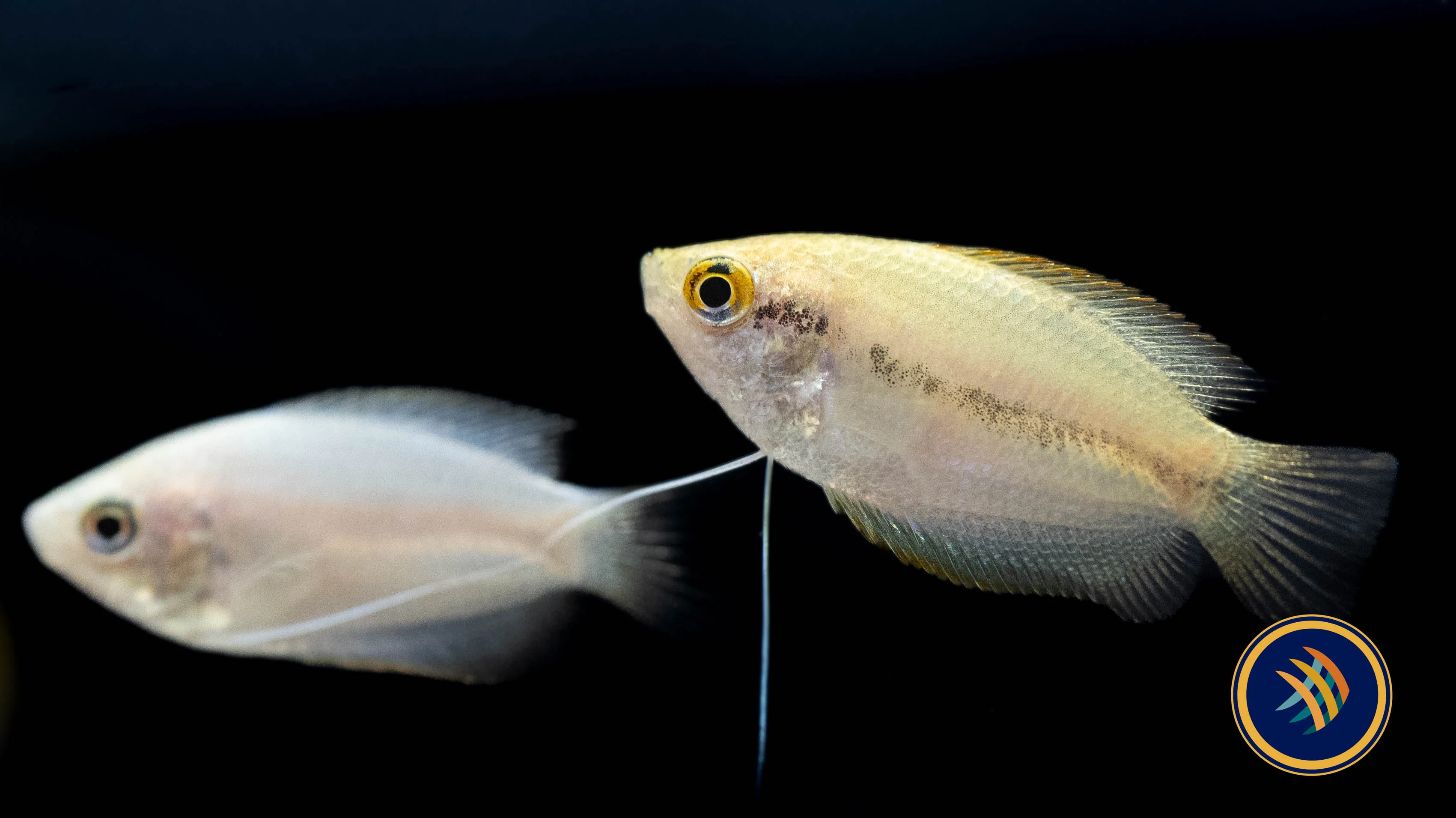
Humpbacked Limia (Limia nigrofasciata), also known as the Black-barred Limia, is a fascinating and critically endangered species of poeciliid fish native to Haiti
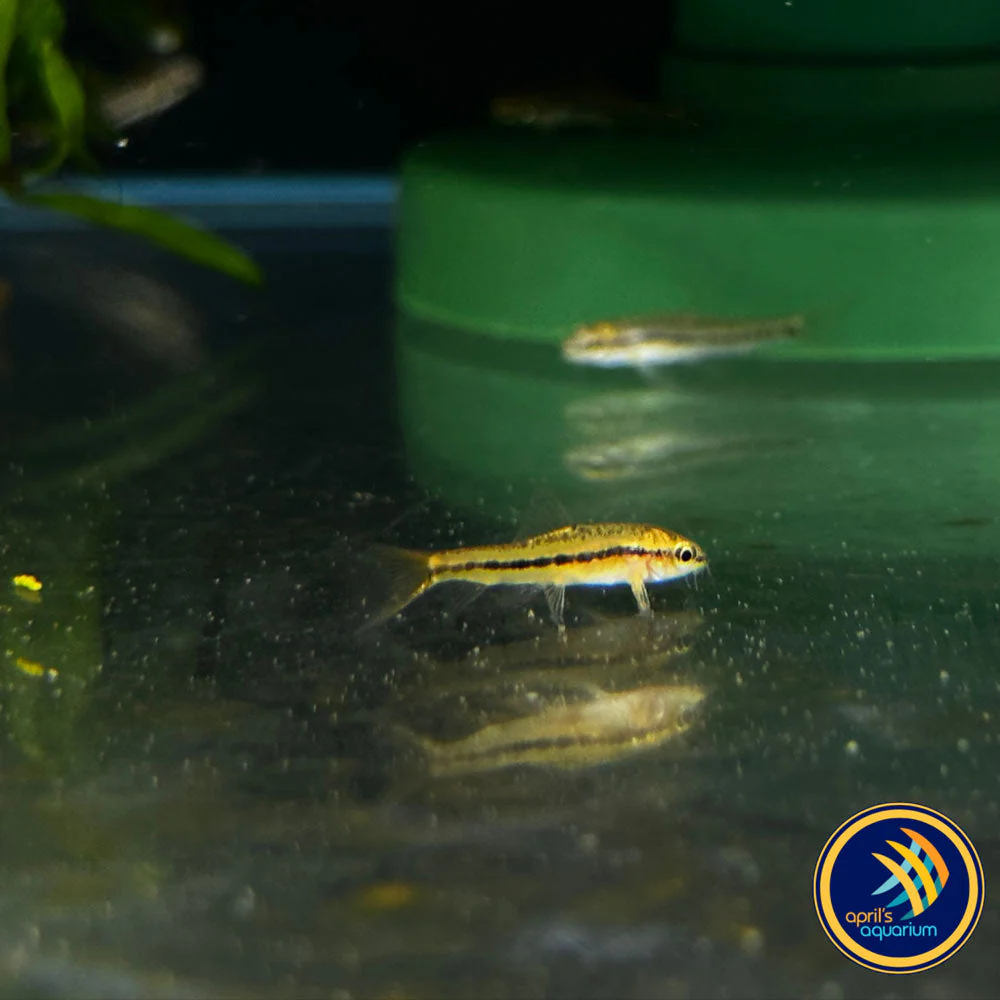
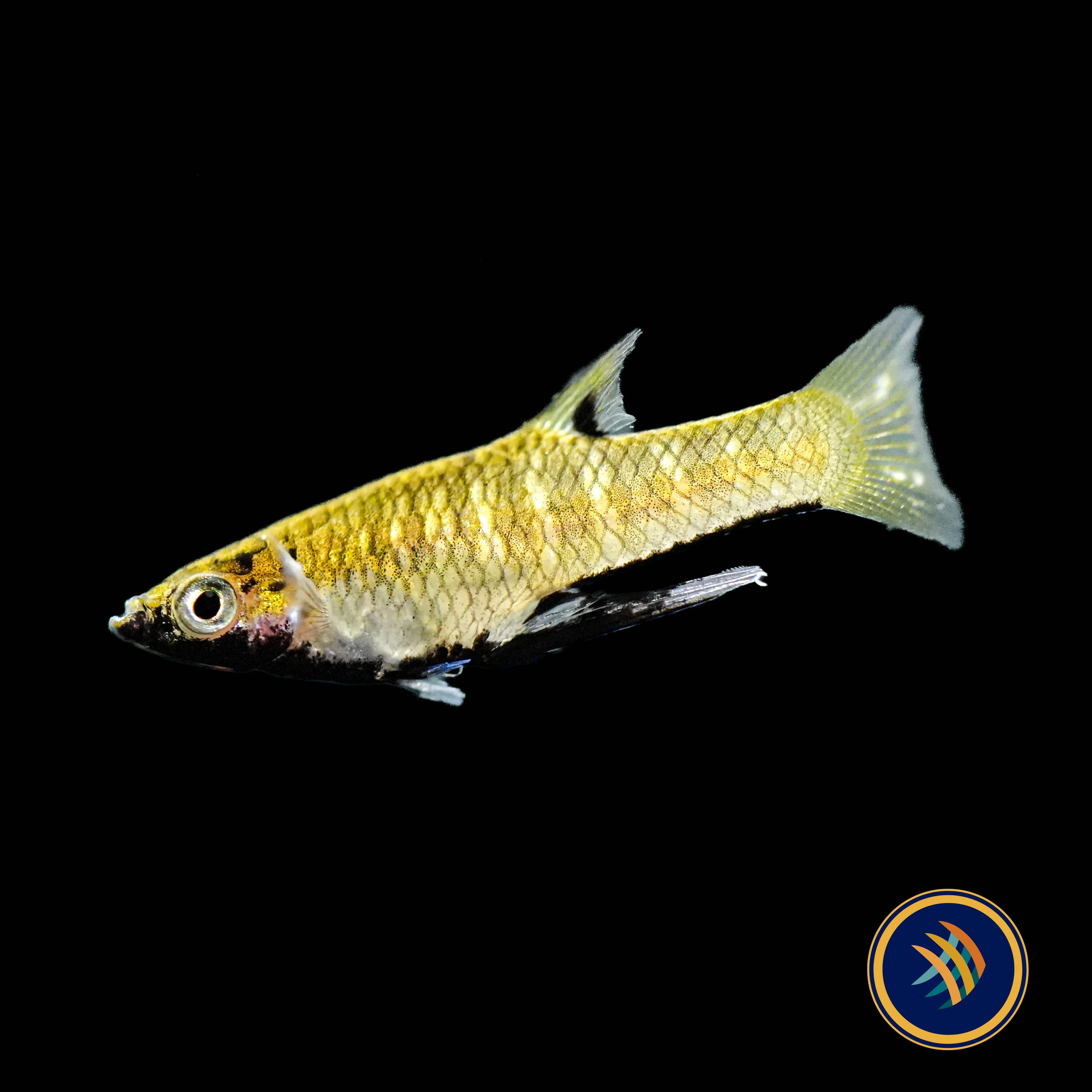
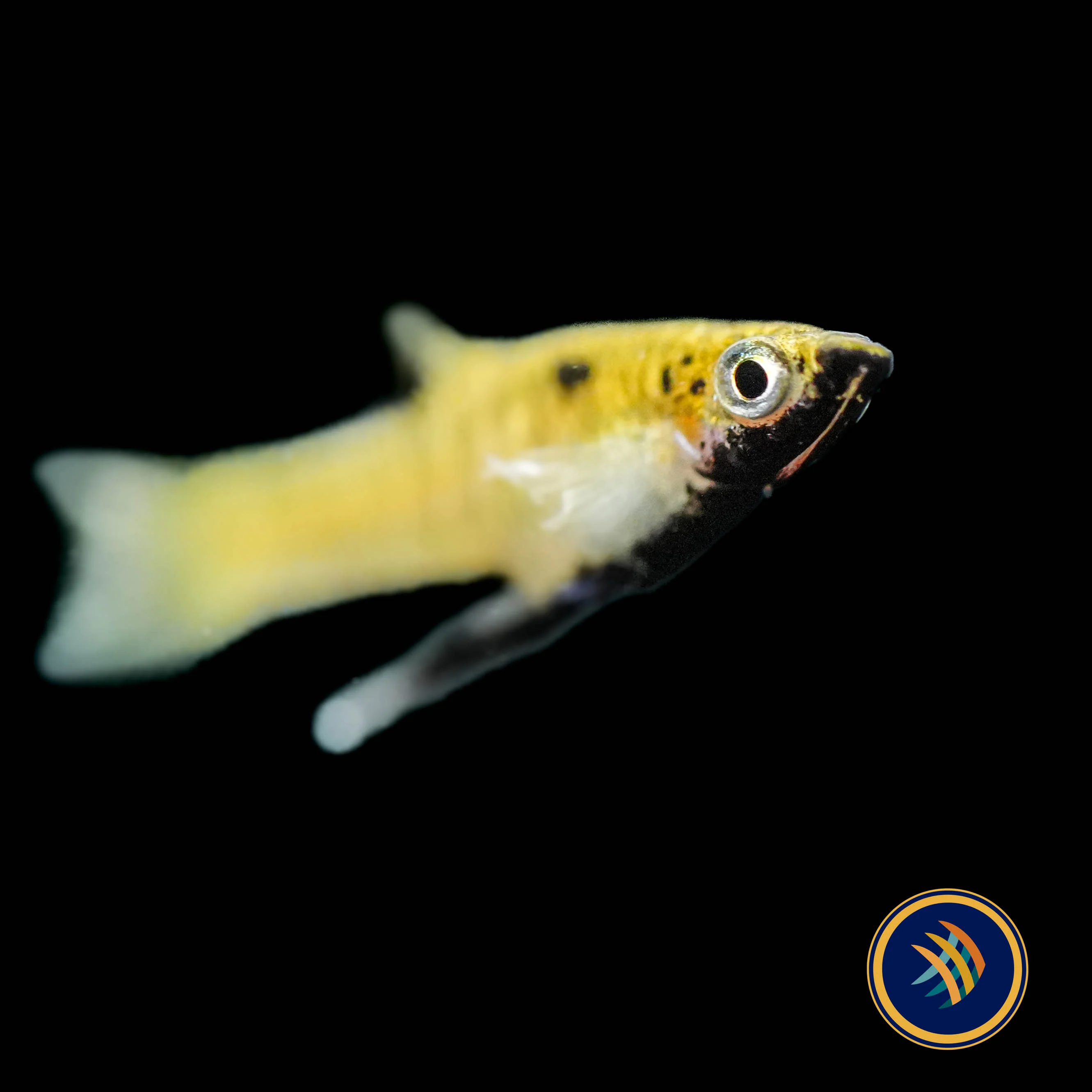
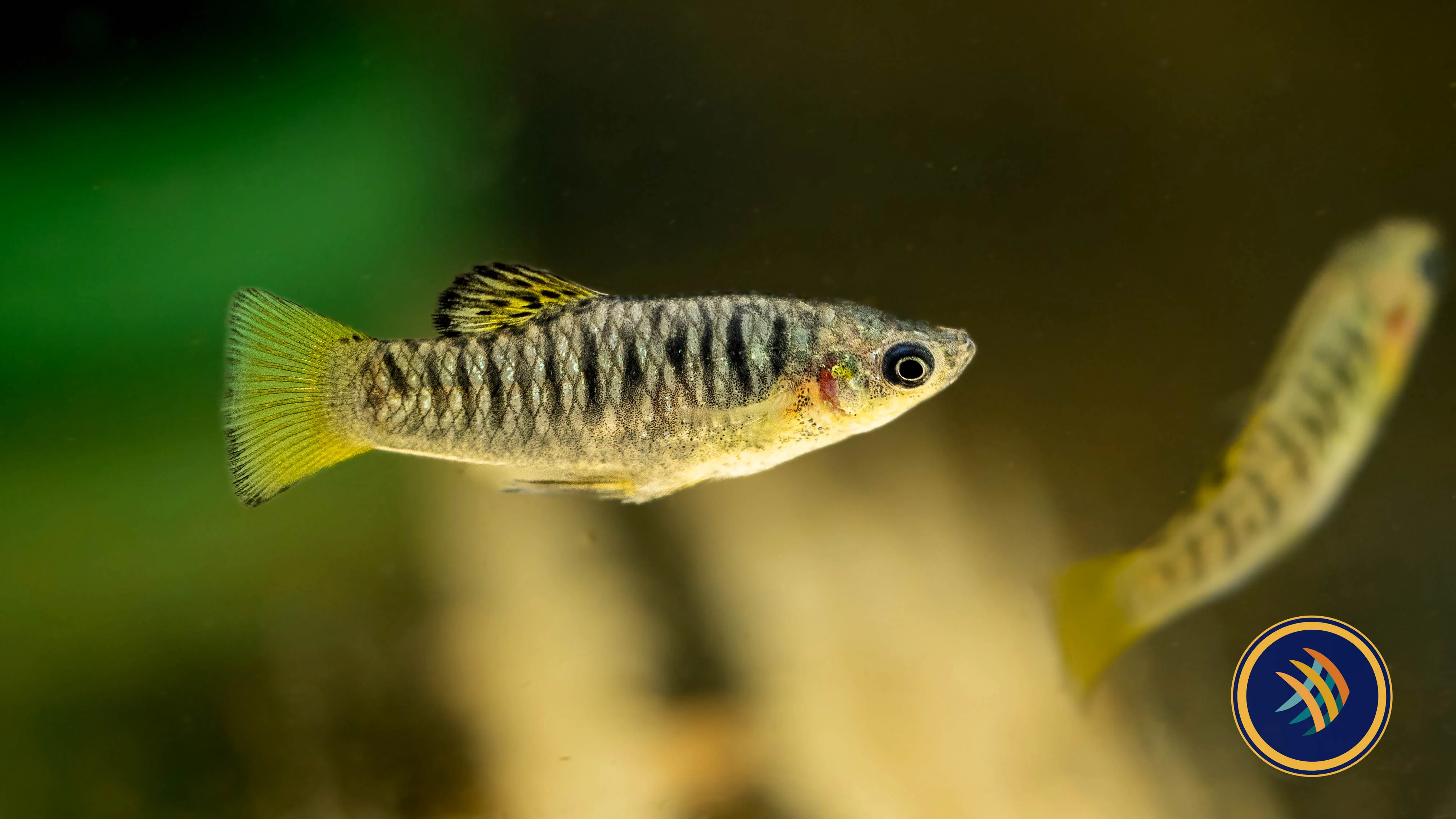
Appearance: Both males and females have translucent, glittery bodies with dark vertical bars. Males develop a distinctive hump as they age and have an enlarged dorsal fin with purple flecks.
Size: They can grow up to 5.2 cm (2 inches) in length.
Habitat: They are found exclusively in Lake Miragoâne, where they inhabit areas with submerged aquatic vegetation and muddy bottoms.
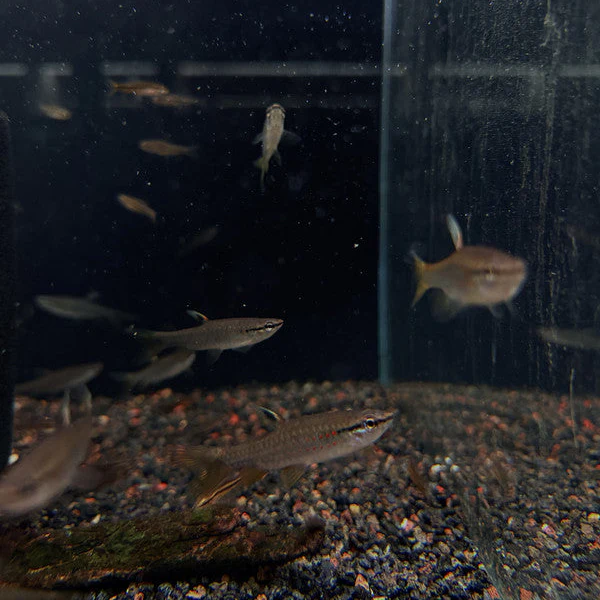
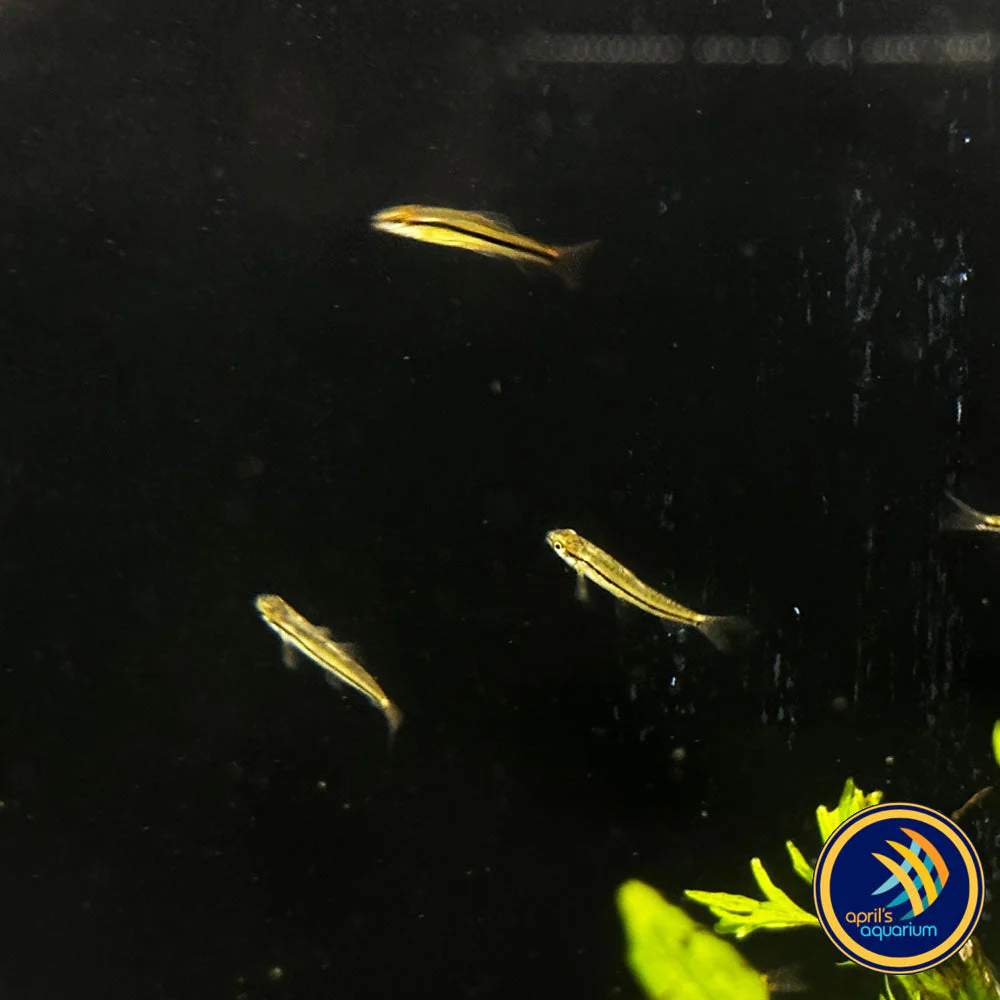
Behavior: These fish are social and usually form large schools. Males can be territorial, so it's important to have a good ratio of females to males in the tank.
Diet: They primarily feed on detritus and algae.
Tank Requirements: They prefer neutral to hard water conditions and are sensitive to water changes. Ideal water temperature ranges from 72°F to 79°F (22°C to 26°C).
Reproduction: Females give birth to live young, with broods of 15-30 fry. The fry are relatively large and can hide in vegetation.
These fish are relatively easy to care for but require careful monitoring of water conditions due to their sensitivity.
Original: $13.08
-65%$13.08
$4.58Product Information
Product Information
Shipping & Returns
Shipping & Returns
Description
Humpbacked Limia (Limia nigrofasciata), also known as the Black-barred Limia, is a fascinating and critically endangered species of poeciliid fish native to Haiti
Appearance: Both males and females have translucent, glittery bodies with dark vertical bars. Males develop a distinctive hump as they age and have an enlarged dorsal fin with purple flecks.
Size: They can grow up to 5.2 cm (2 inches) in length.
Habitat: They are found exclusively in Lake Miragoâne, where they inhabit areas with submerged aquatic vegetation and muddy bottoms.
Behavior: These fish are social and usually form large schools. Males can be territorial, so it's important to have a good ratio of females to males in the tank.
Diet: They primarily feed on detritus and algae.
Tank Requirements: They prefer neutral to hard water conditions and are sensitive to water changes. Ideal water temperature ranges from 72°F to 79°F (22°C to 26°C).
Reproduction: Females give birth to live young, with broods of 15-30 fry. The fry are relatively large and can hide in vegetation.
These fish are relatively easy to care for but require careful monitoring of water conditions due to their sensitivity.