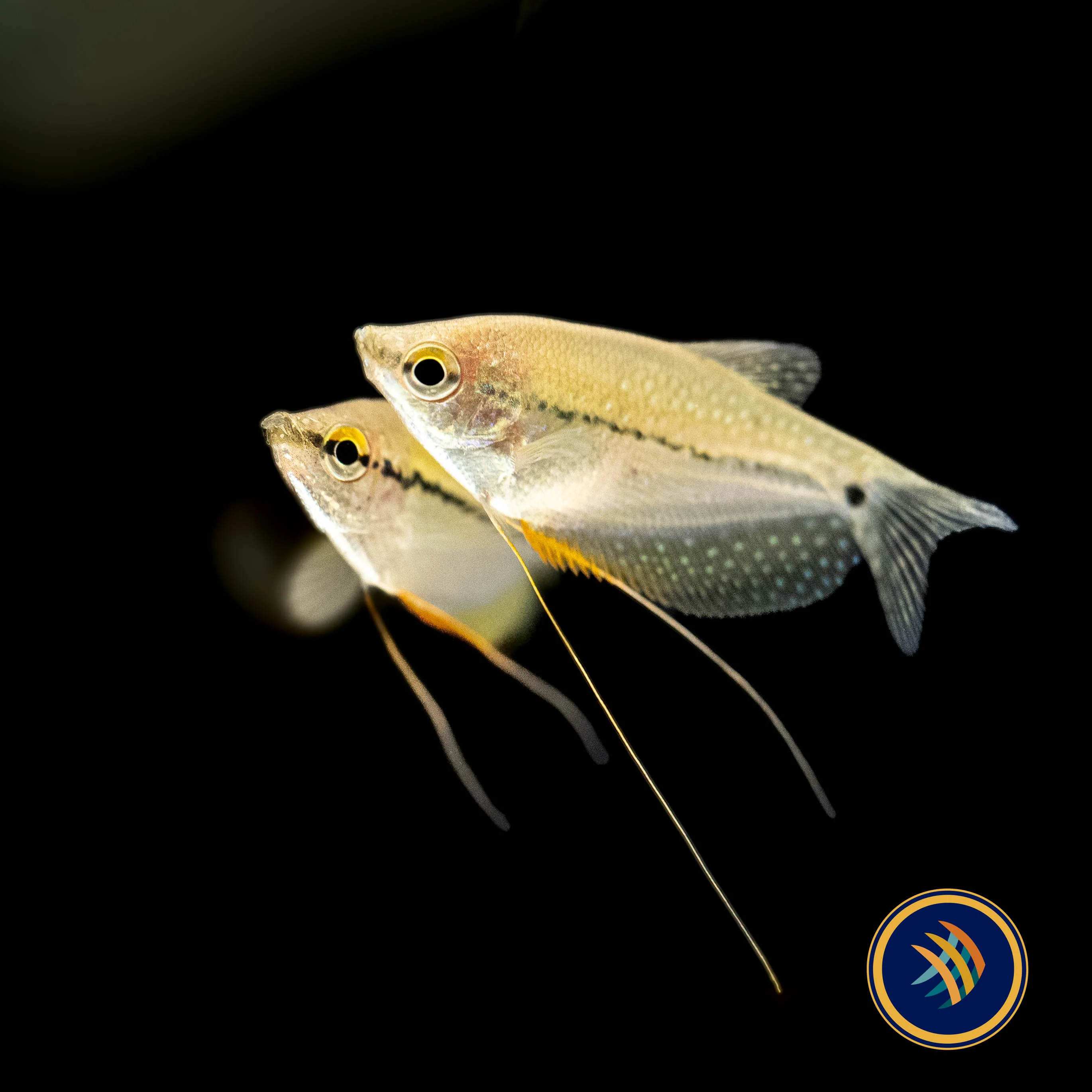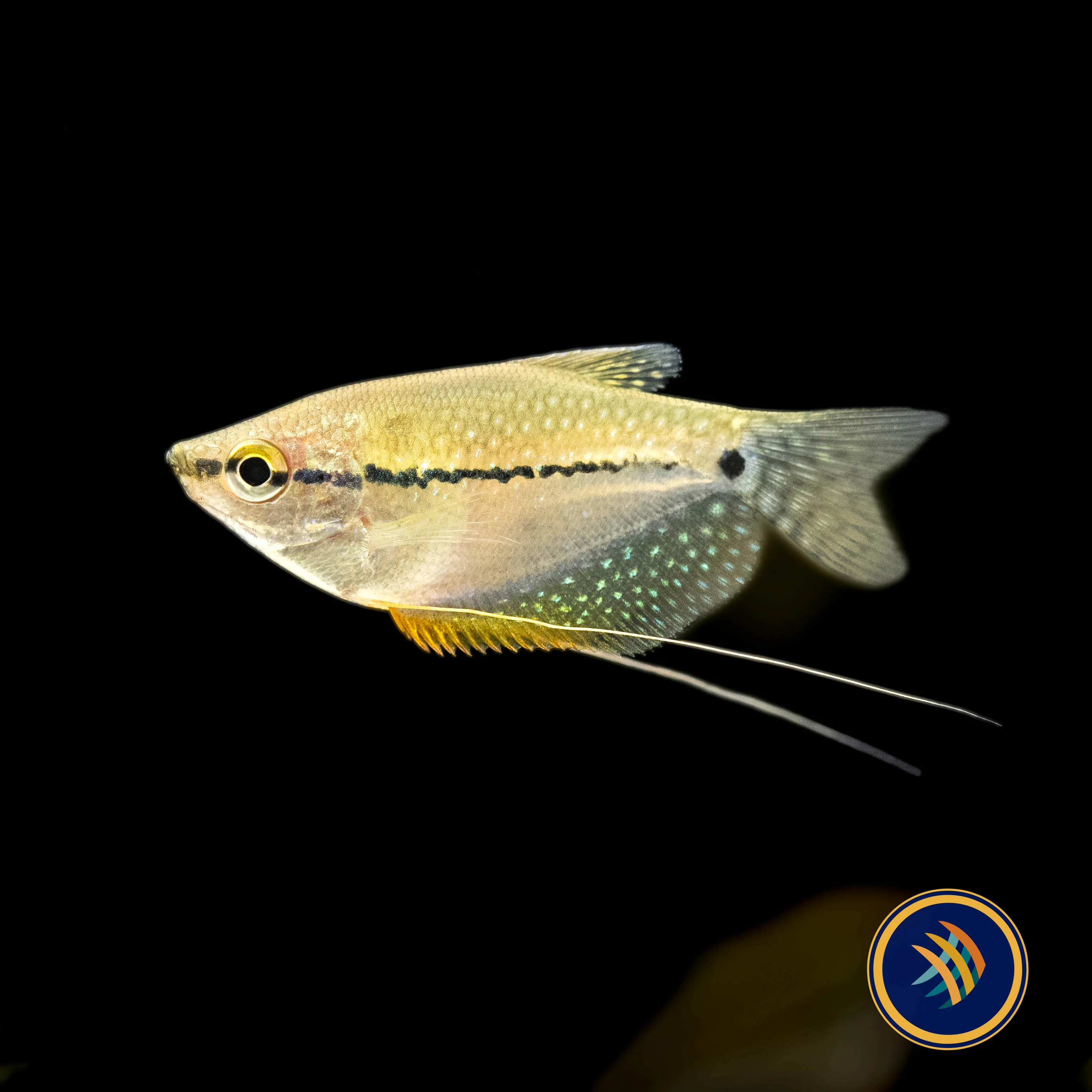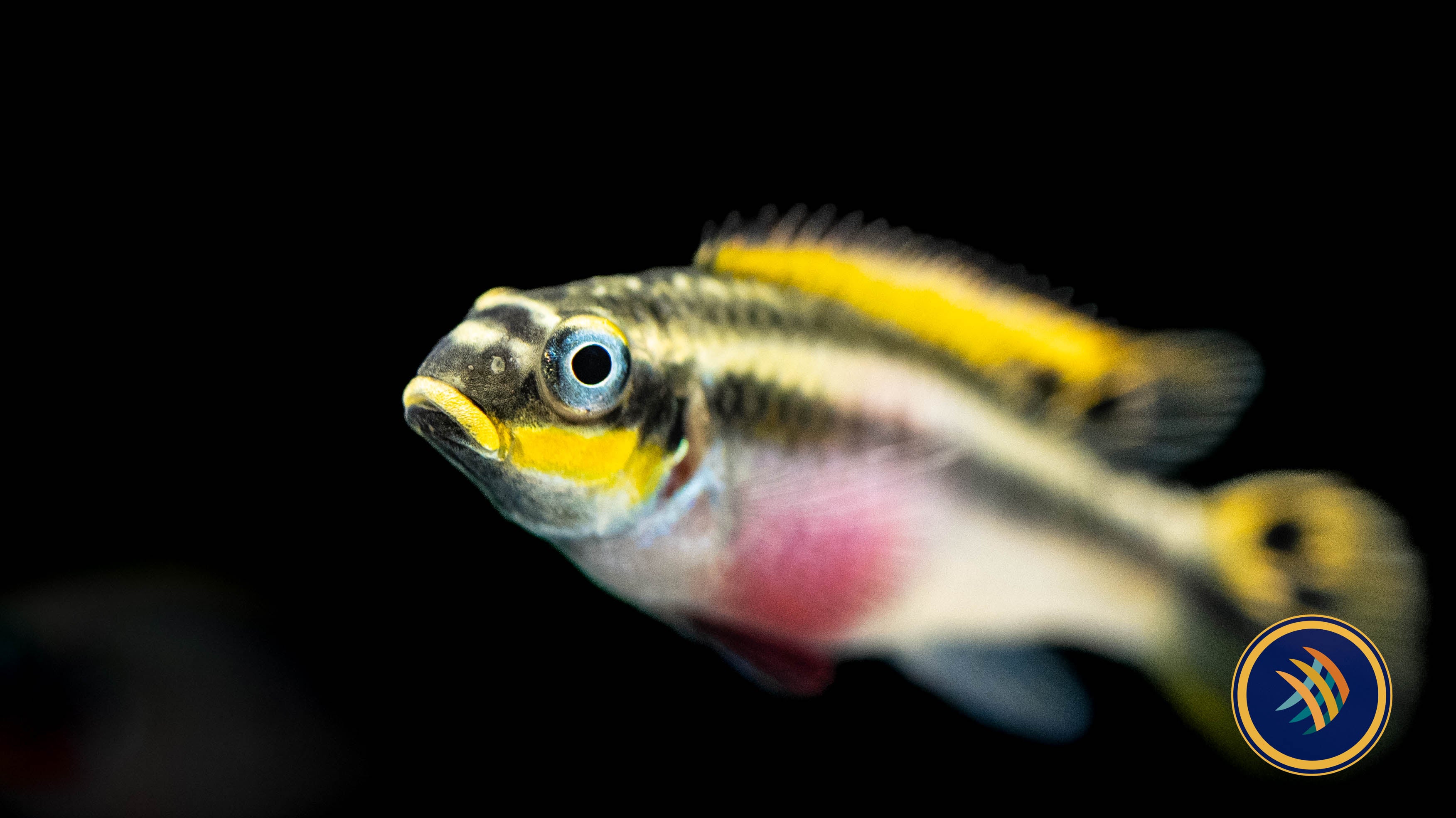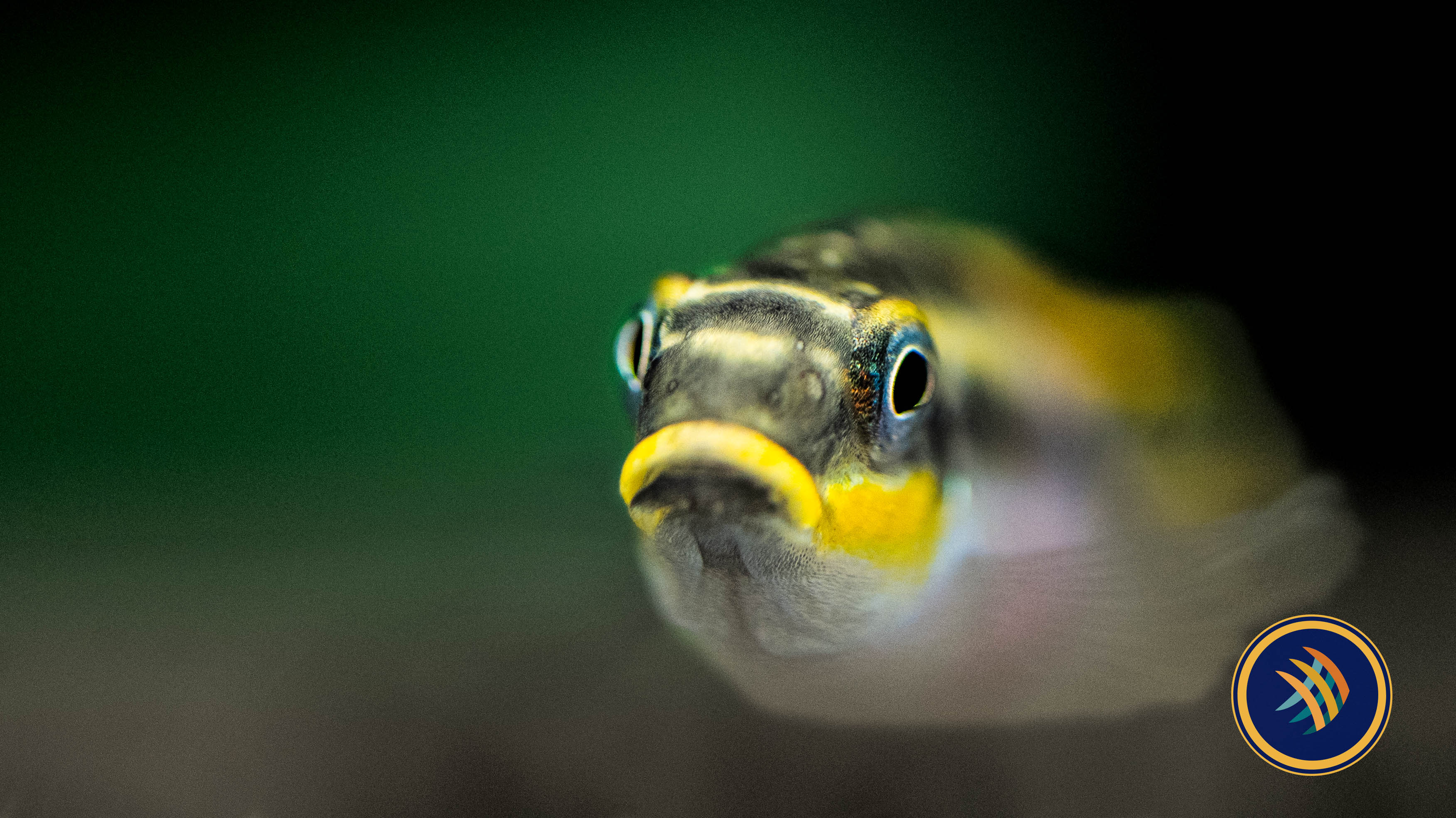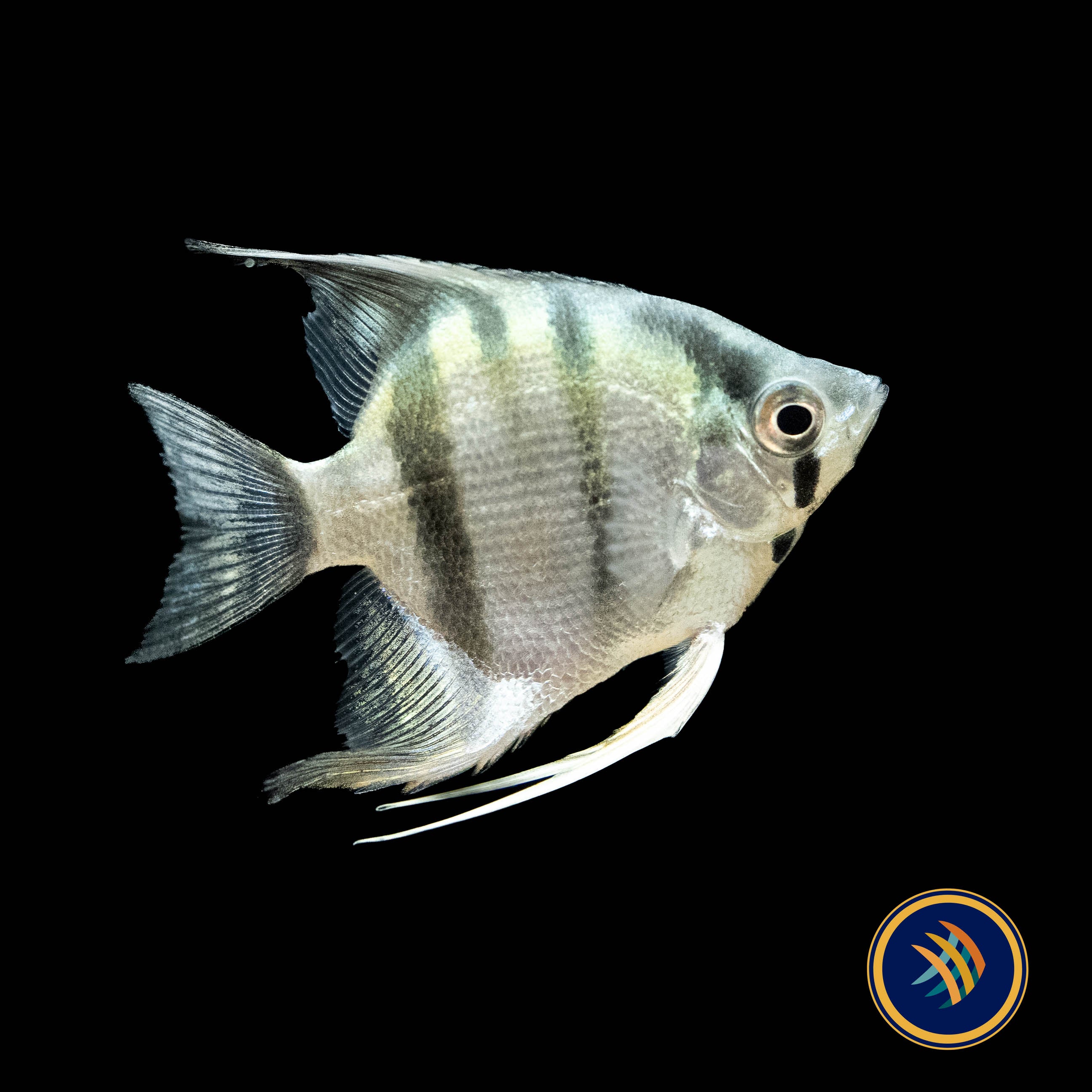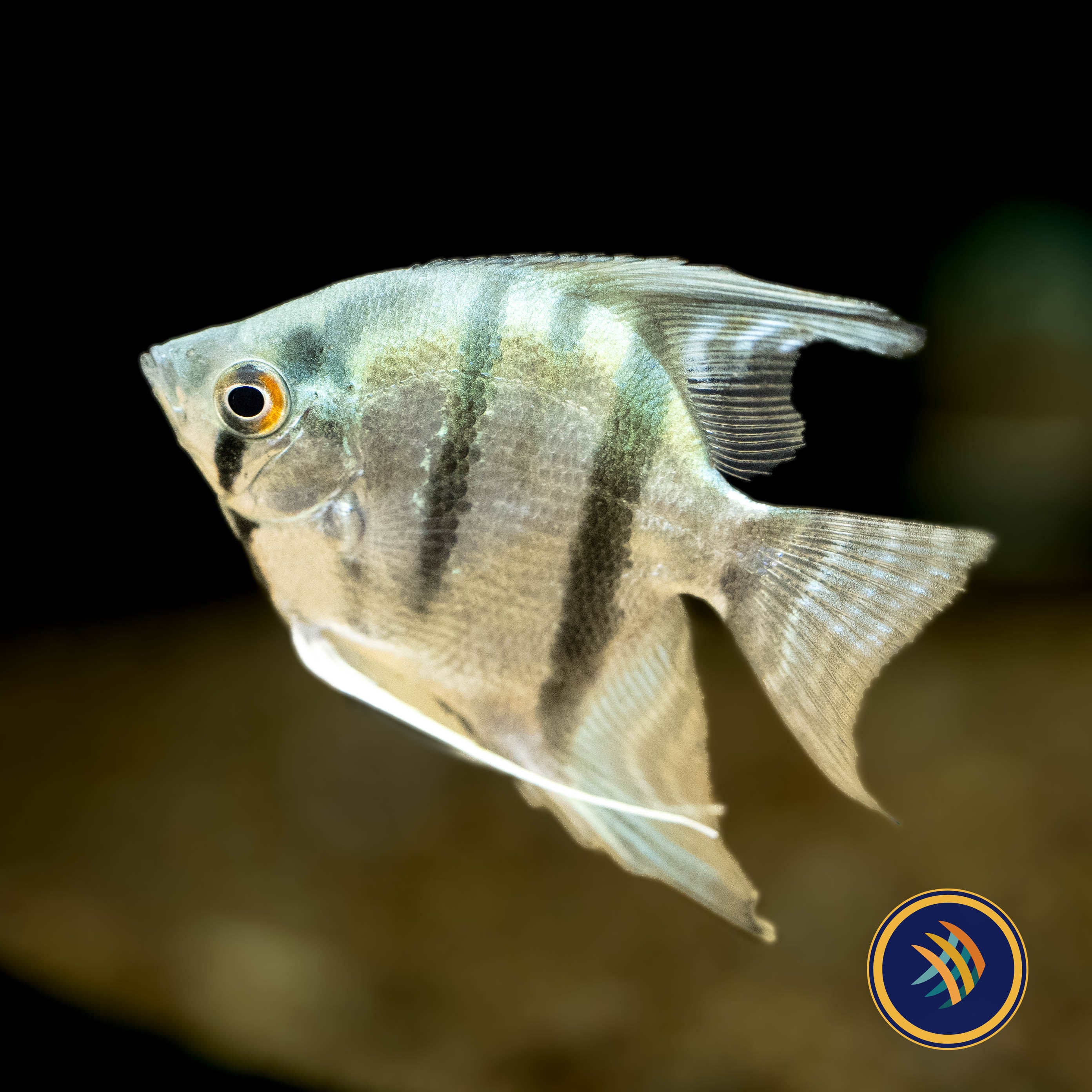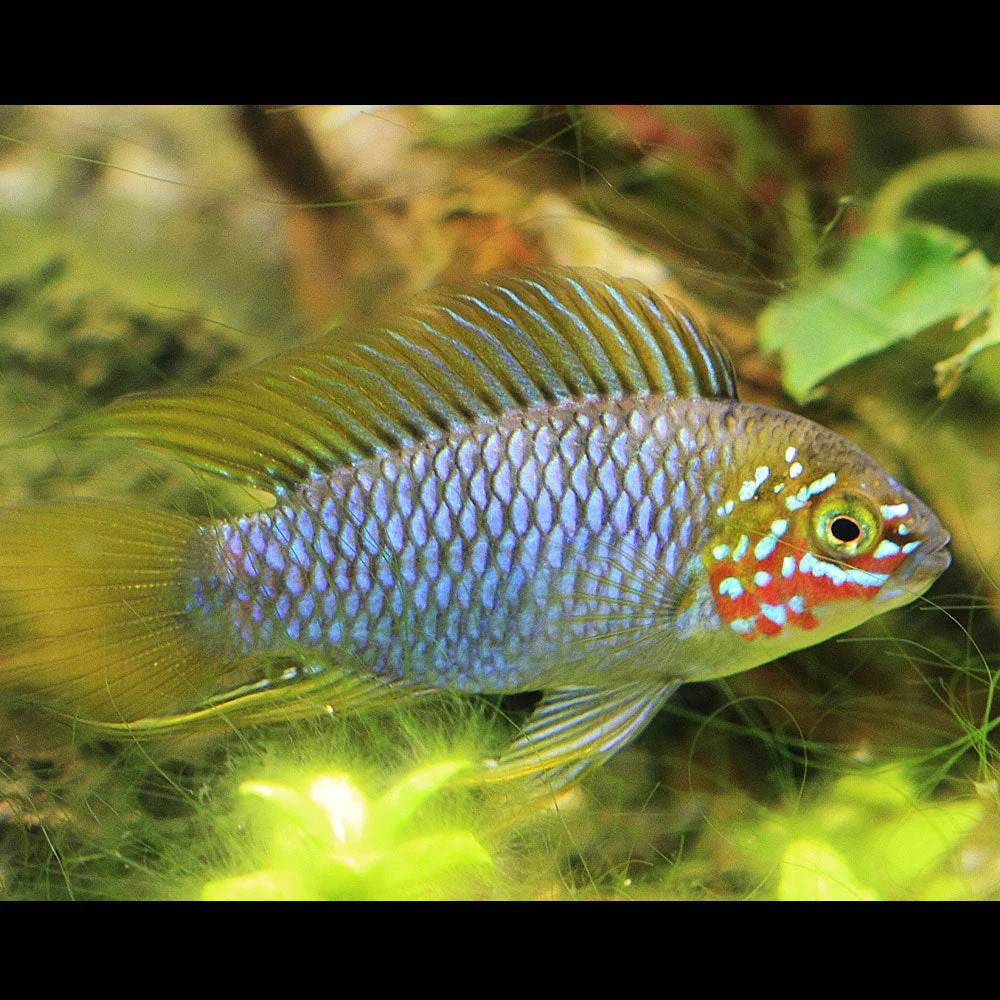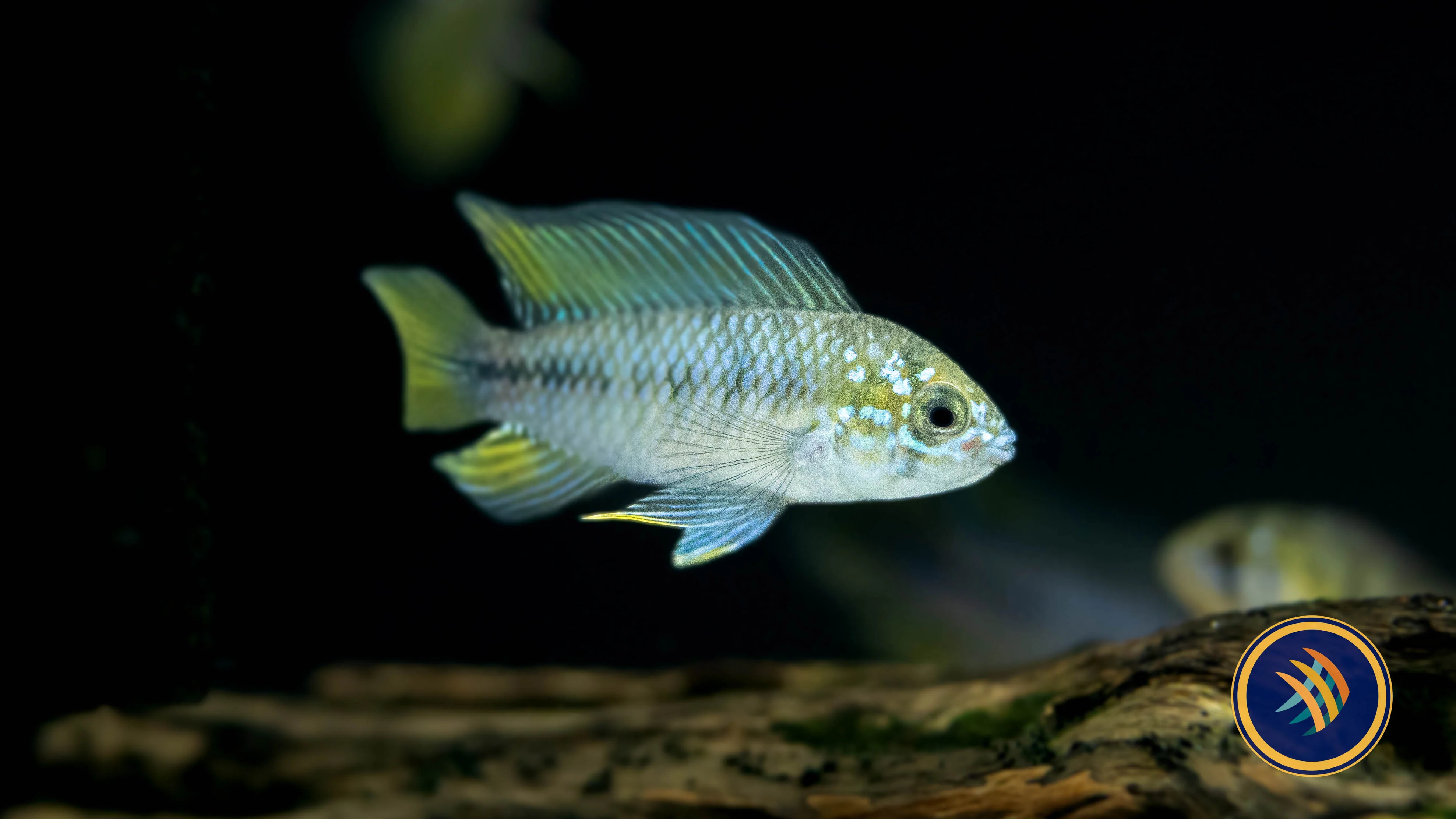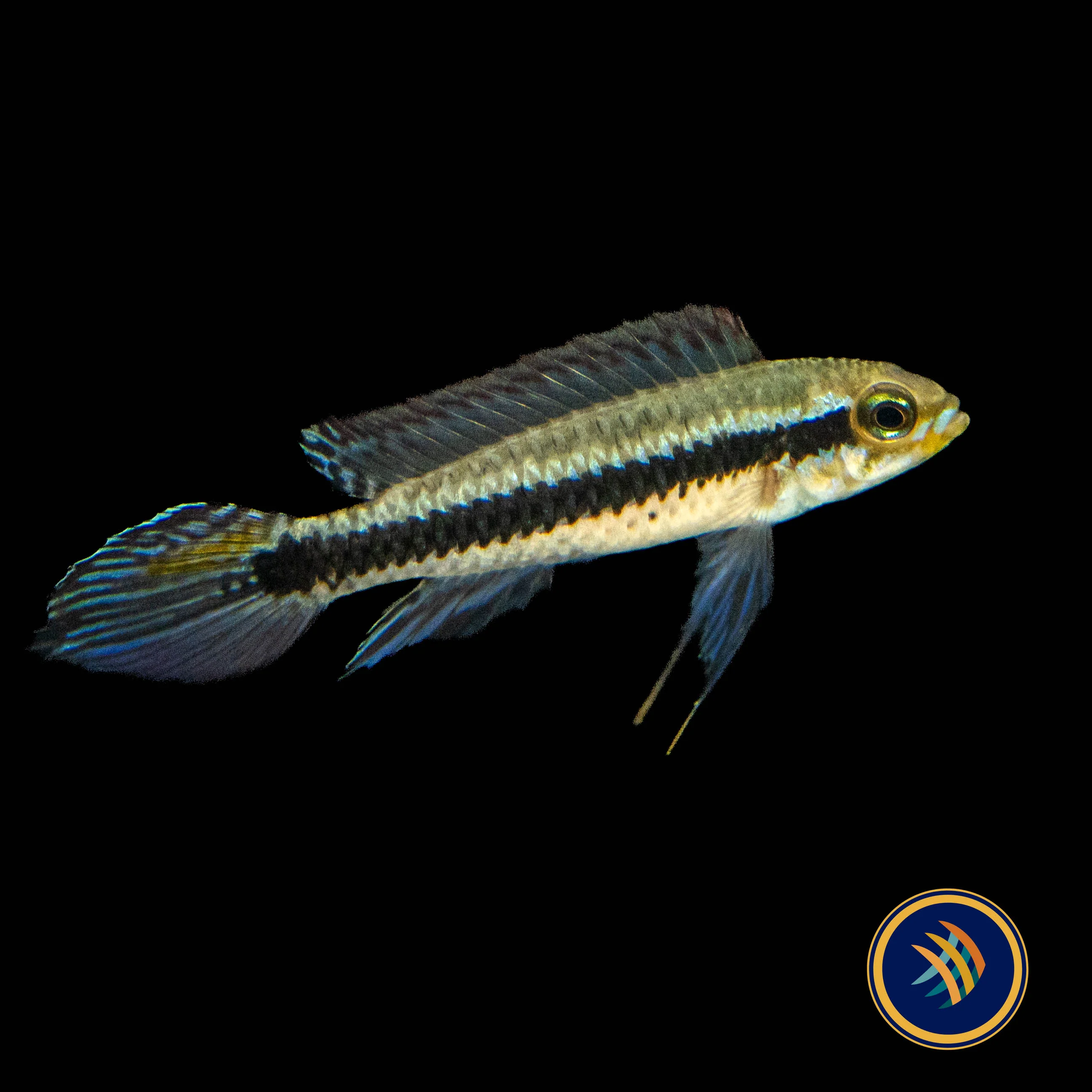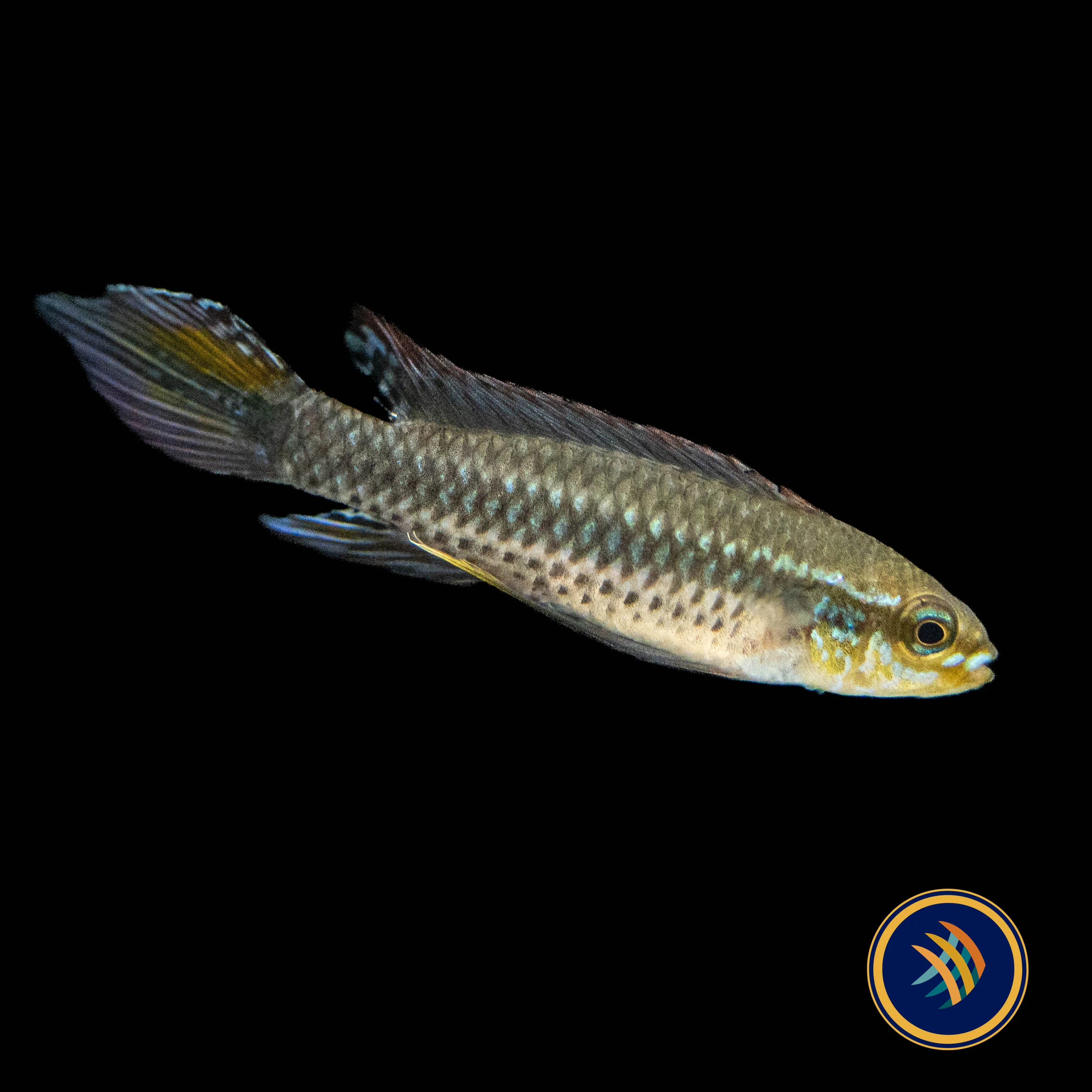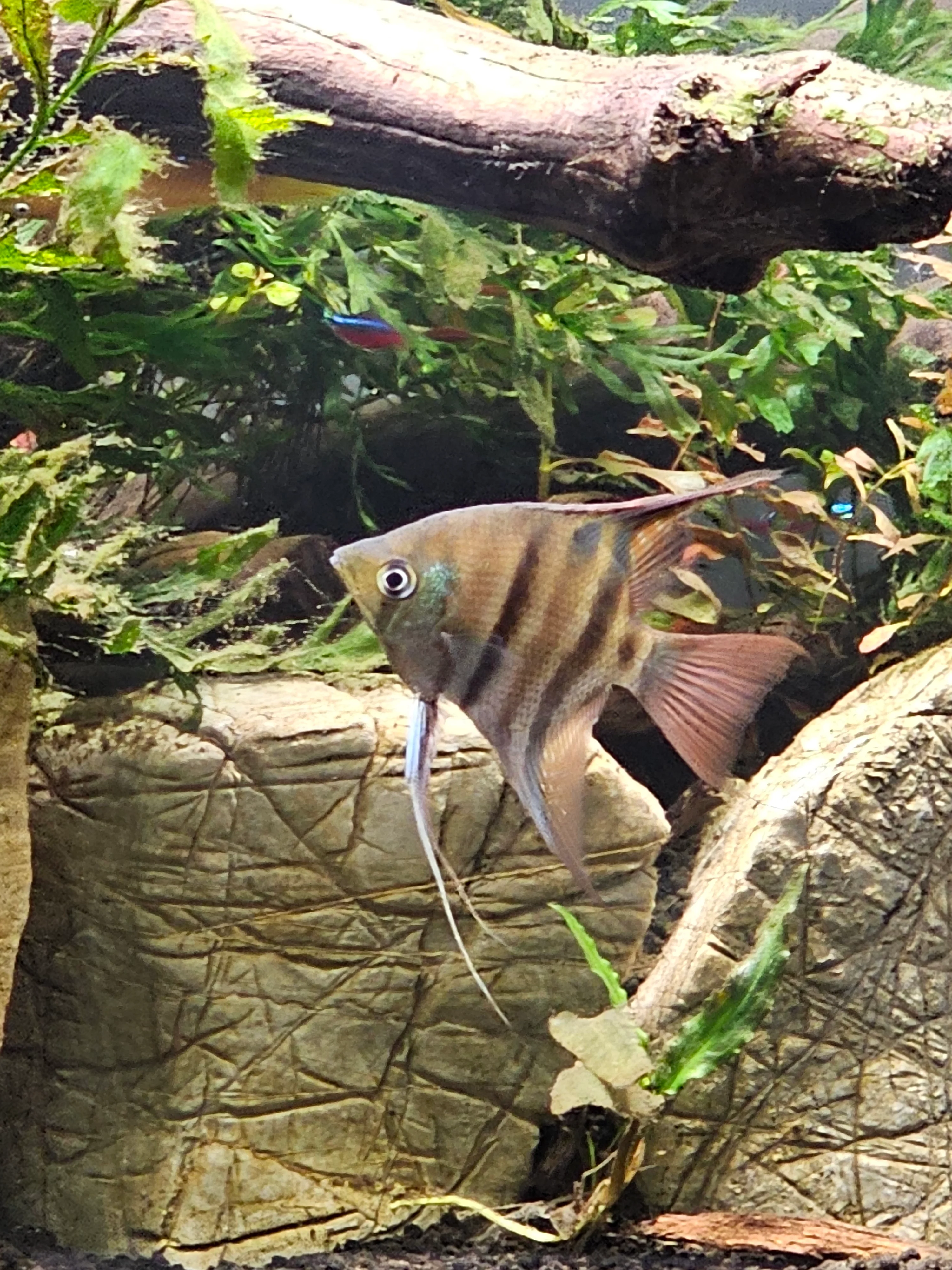
Leopoldi Angelfish Large (Pterophyllum Leopoldi) Wild caught
Leopoldi Angelfish (Pterophyllum leopoldi) — also known as the Long Nose Angelfish — is the rarest and smallest of the three recognized angelfish species in the Pterophyllum genus. Wild-caught specimens from the Essequibo and Rupununi river systems in Guyana and parts of the Amazon basin are especially prized for their natural beauty and unique behavior.
Species Overview
- Scientific Name: Pterophyllum leopoldi
- Common Names: Leopold's Angelfish, Long Nose Angelfish, Roman-Nosed Angelfish
- Size: Typically 4–5 inches; can reach up to 6 inches in ideal conditions
- Lifespan: Up to 10 years
- Temperament: Peaceful but territorial during breeding
- Difficulty: Intermediate to advanced aquarists
Natural Habitat
- Found in slow-moving, soft, acidic waters of the Essequibo and Rupununi river drainage in Guyana and the Amazon basin.
- Prefers areas with broad-leaved vegetation, gentle currents, and plenty of hiding spots.
- Coexists with other South American cichlids in diverse ecosystems.
Aquarium Setup
- Tank Size: Minimum 30 gallons for a small group; taller tanks preferred due to long trailing fins.
-
Water Parameters:
- Temperature: 75–82°F (24–28°C)
- pH: 6.0–7.5
- Hardness: 3–12 dGH (soft to moderately hard)
- Nitrates: Keep below 20 ppm
-
Décor:
- Broad-leaved plants, driftwood, and hiding spots
- Gentle filtration and subdued lighting
- Tank Mates: Peaceful South American species like Corydoras, tetras, and other small cichlids
Diet
-
Omnivorous: Feed a varied diet of:
- High-quality pellets
- Live/frozen foods: brine shrimp, bloodworms, daphnia, mosquito larvae
- Feeding Tip: Observe during feeding to ensure all fish get their share
Breeding
-
Breeding Behavior:
- Territorial during spawning
- Subtle sexual dimorphism: males may have more pronounced anal fins
-
Spawning Setup:
- Provide vertical surfaces (e.g., broad leaves or slate)
- Maintain stable water conditions and low stress
-
Fry Care:
- Eggs hatch in 2–3 days
- Fry feed on yolk sacs initially, then baby brine shrimp
Product Information
Product Information
Shipping & Returns
Shipping & Returns
Description
Leopoldi Angelfish (Pterophyllum leopoldi) — also known as the Long Nose Angelfish — is the rarest and smallest of the three recognized angelfish species in the Pterophyllum genus. Wild-caught specimens from the Essequibo and Rupununi river systems in Guyana and parts of the Amazon basin are especially prized for their natural beauty and unique behavior.
Species Overview
- Scientific Name: Pterophyllum leopoldi
- Common Names: Leopold's Angelfish, Long Nose Angelfish, Roman-Nosed Angelfish
- Size: Typically 4–5 inches; can reach up to 6 inches in ideal conditions
- Lifespan: Up to 10 years
- Temperament: Peaceful but territorial during breeding
- Difficulty: Intermediate to advanced aquarists
Natural Habitat
- Found in slow-moving, soft, acidic waters of the Essequibo and Rupununi river drainage in Guyana and the Amazon basin.
- Prefers areas with broad-leaved vegetation, gentle currents, and plenty of hiding spots.
- Coexists with other South American cichlids in diverse ecosystems.
Aquarium Setup
- Tank Size: Minimum 30 gallons for a small group; taller tanks preferred due to long trailing fins.
-
Water Parameters:
- Temperature: 75–82°F (24–28°C)
- pH: 6.0–7.5
- Hardness: 3–12 dGH (soft to moderately hard)
- Nitrates: Keep below 20 ppm
-
Décor:
- Broad-leaved plants, driftwood, and hiding spots
- Gentle filtration and subdued lighting
- Tank Mates: Peaceful South American species like Corydoras, tetras, and other small cichlids
Diet
-
Omnivorous: Feed a varied diet of:
- High-quality pellets
- Live/frozen foods: brine shrimp, bloodworms, daphnia, mosquito larvae
- Feeding Tip: Observe during feeding to ensure all fish get their share
Breeding
-
Breeding Behavior:
- Territorial during spawning
- Subtle sexual dimorphism: males may have more pronounced anal fins
-
Spawning Setup:
- Provide vertical surfaces (e.g., broad leaves or slate)
- Maintain stable water conditions and low stress
-
Fry Care:
- Eggs hatch in 2–3 days
- Fry feed on yolk sacs initially, then baby brine shrimp