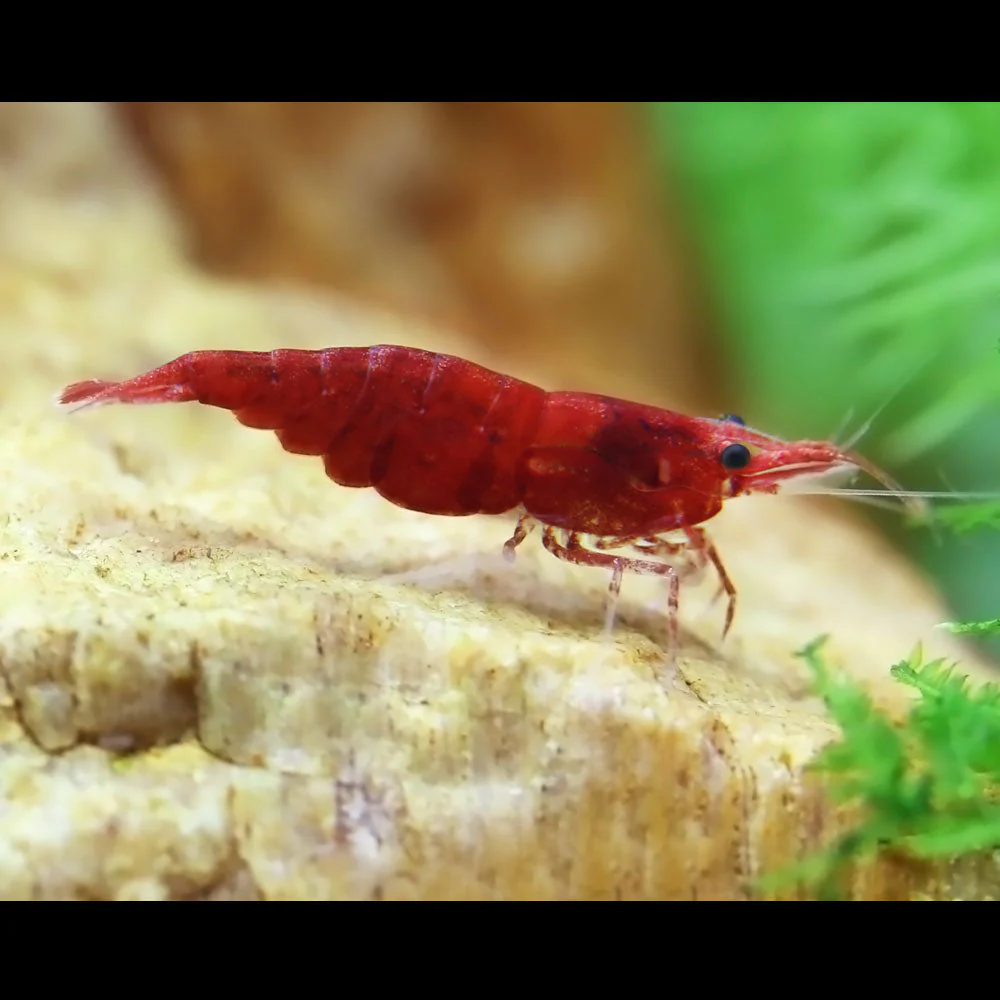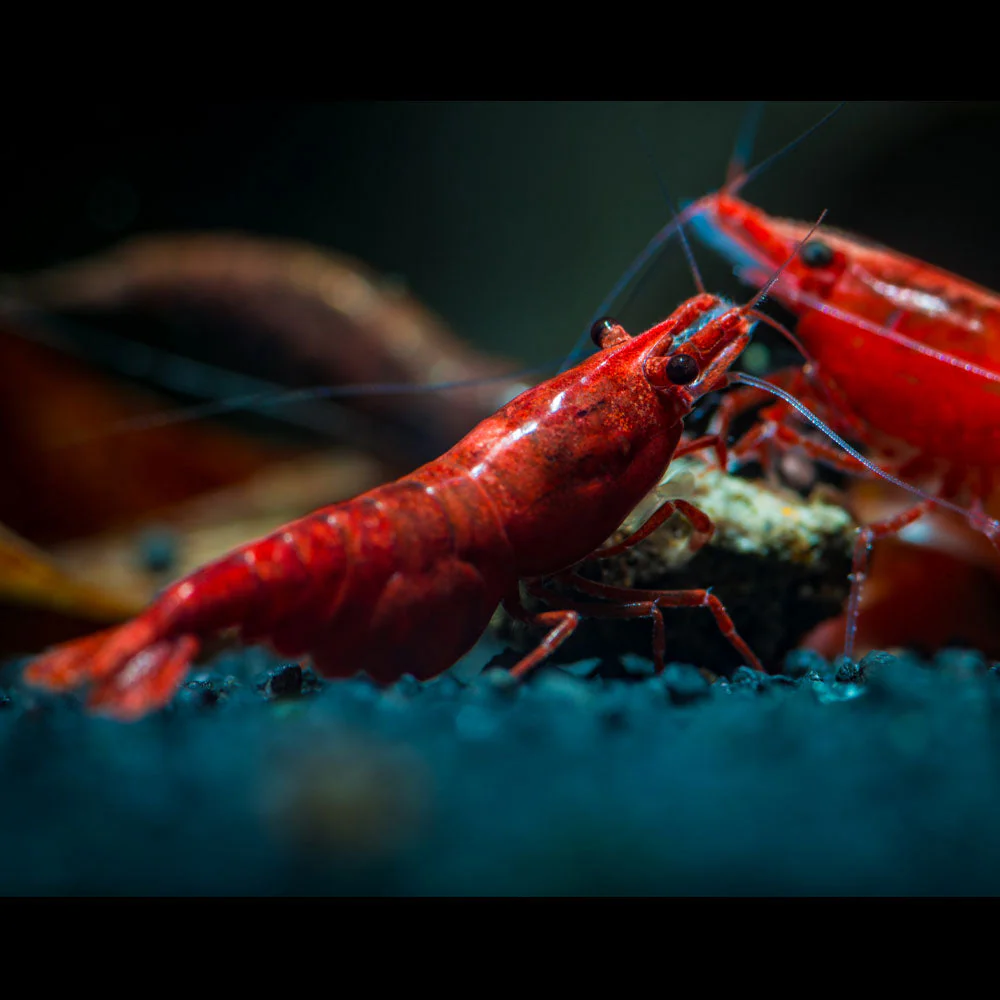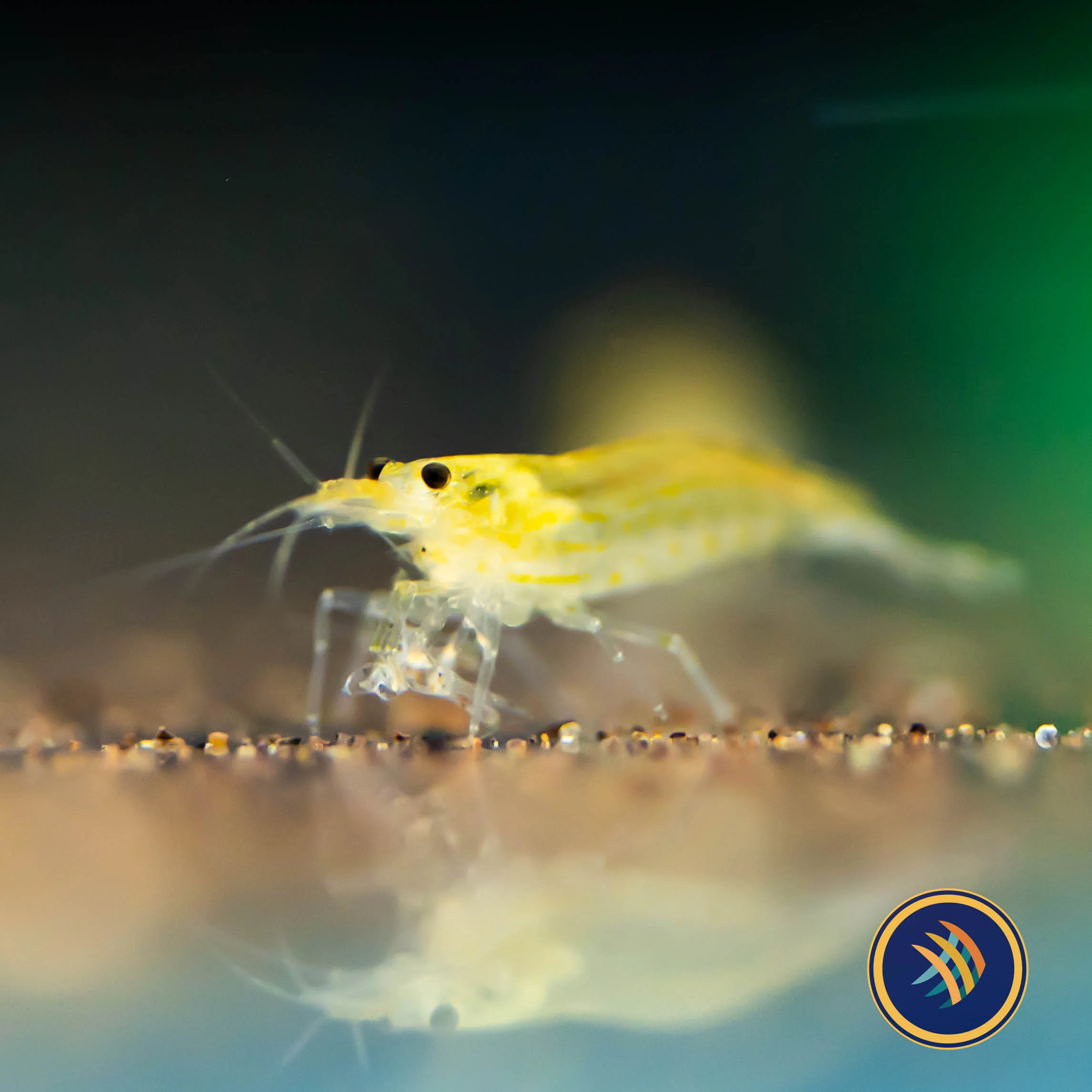
Lime Yellow Amano Shrimp (Caridina Japonica)
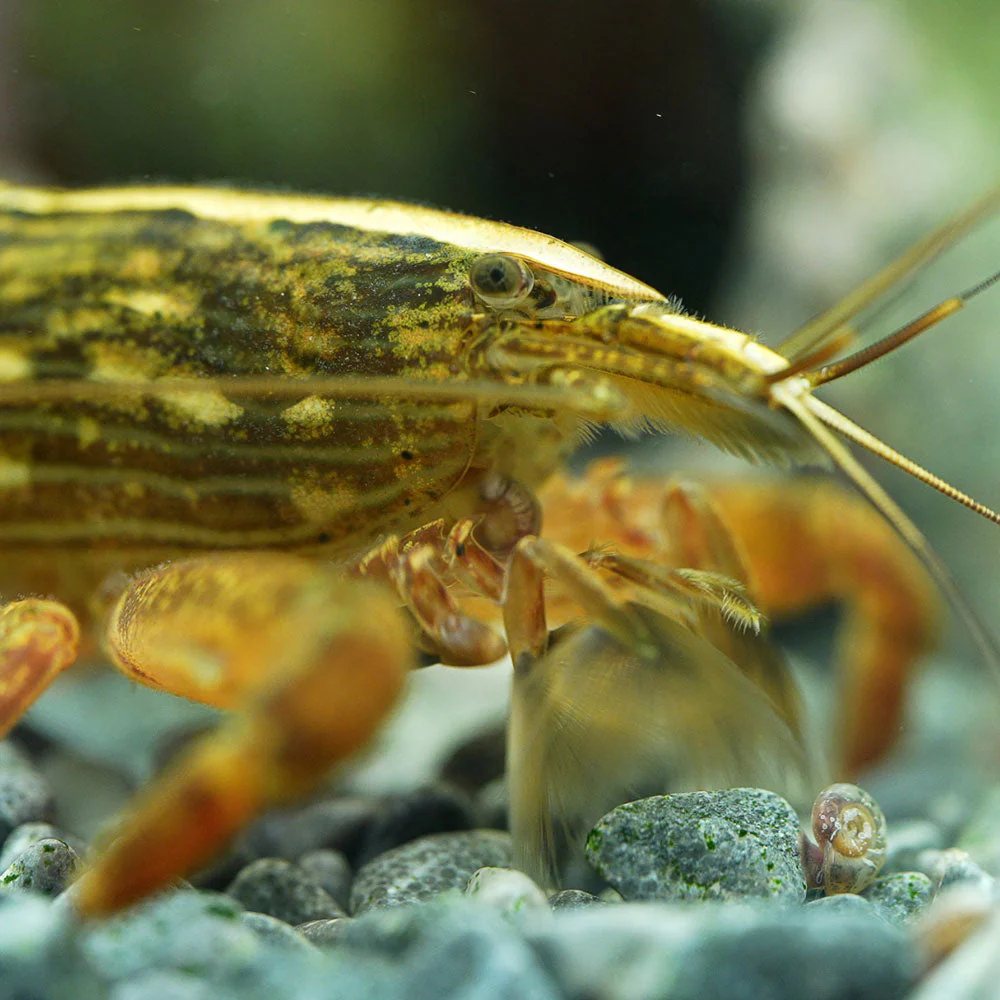
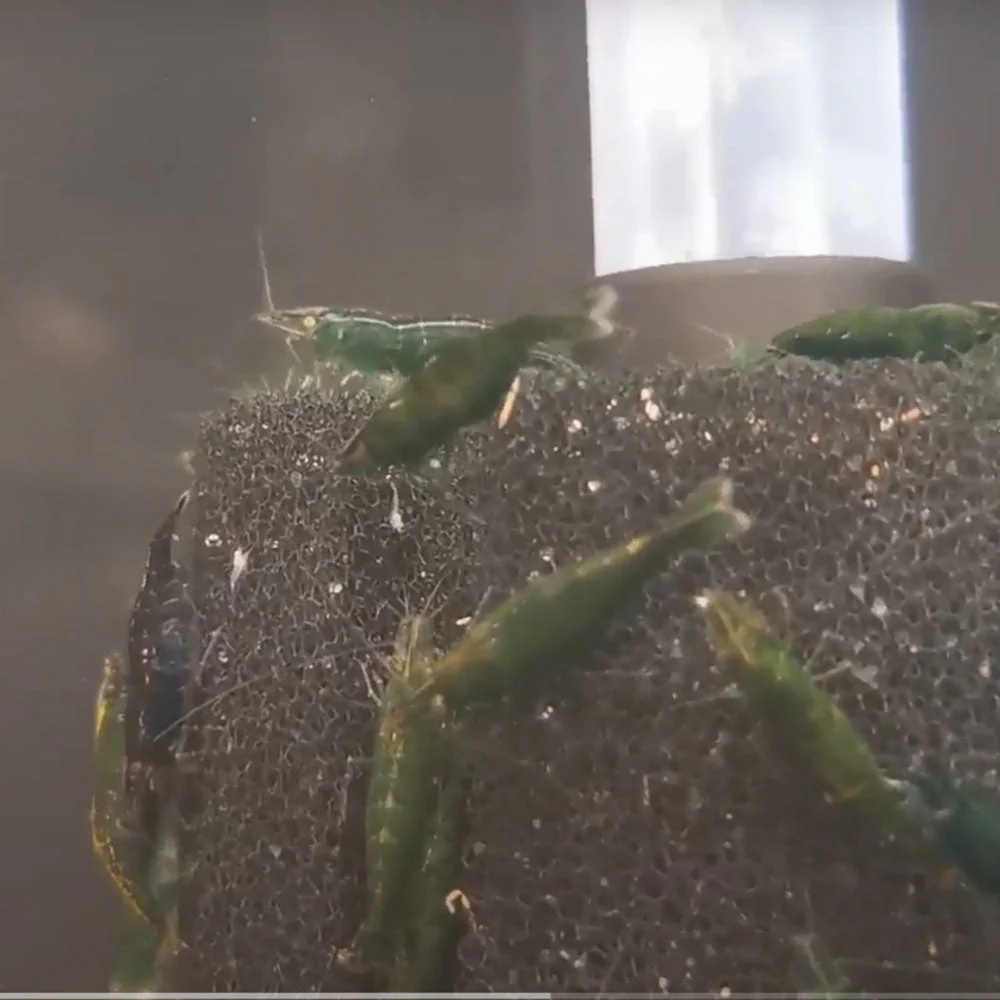
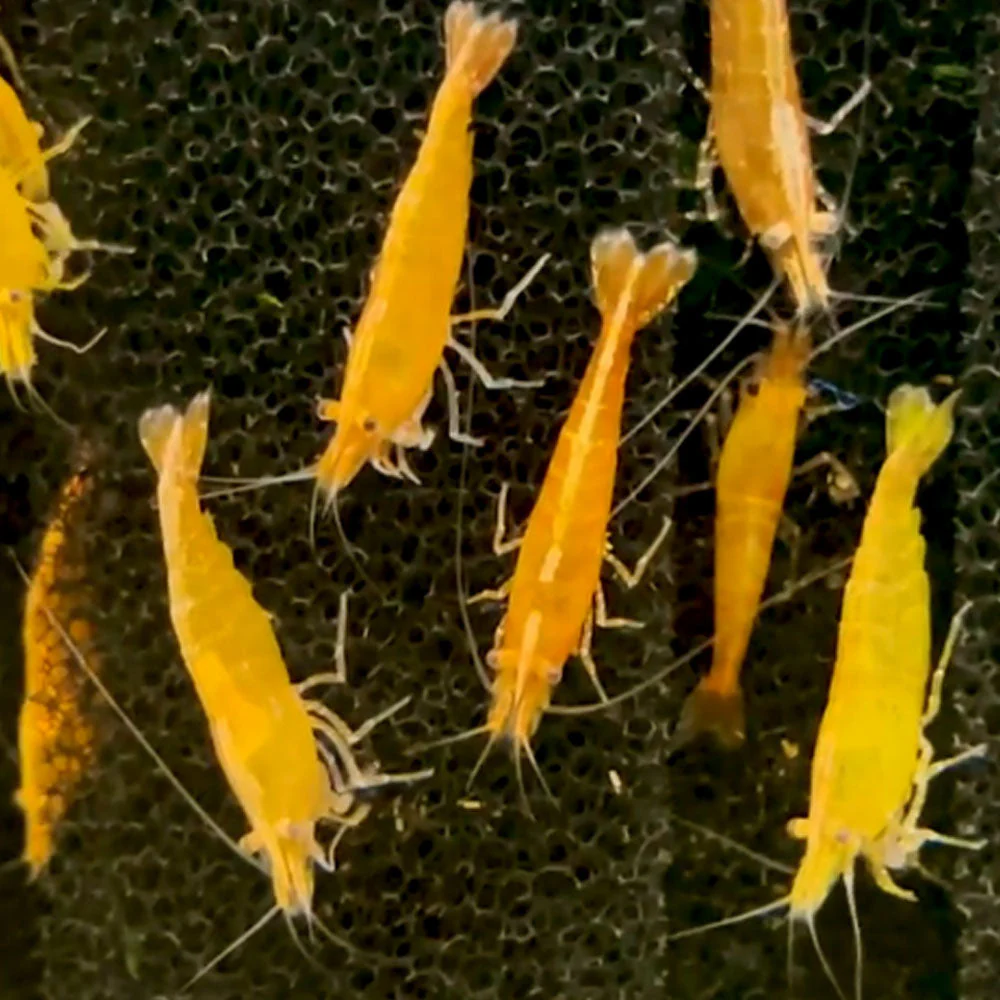
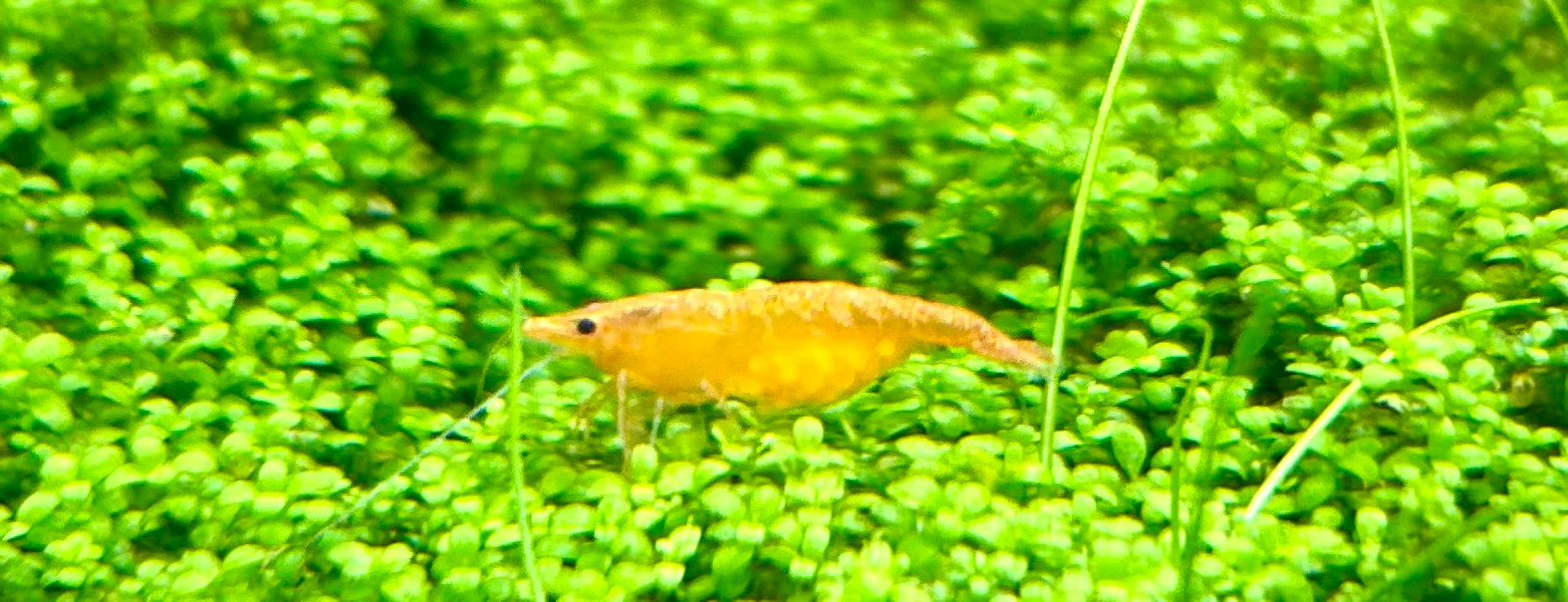
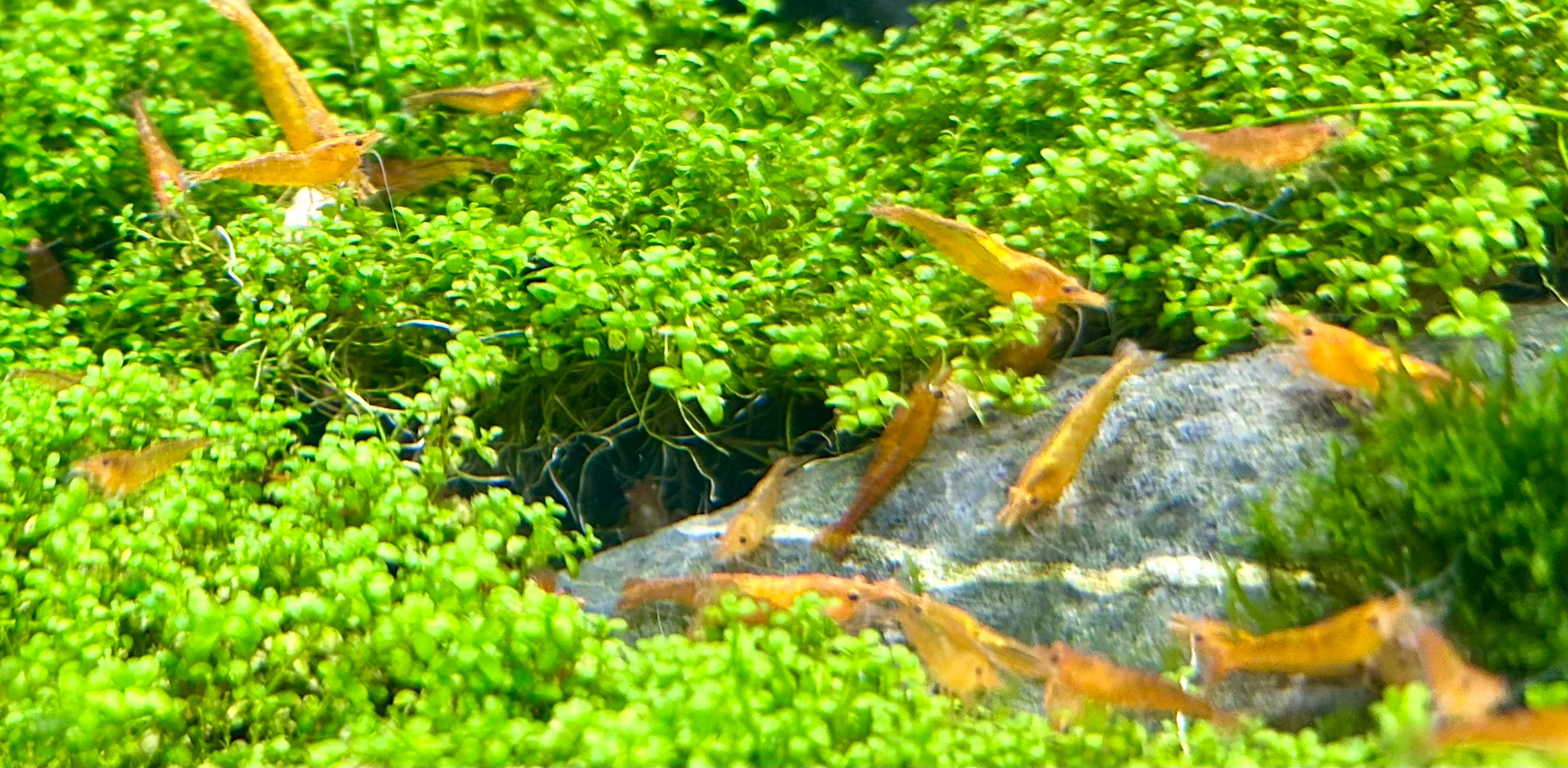
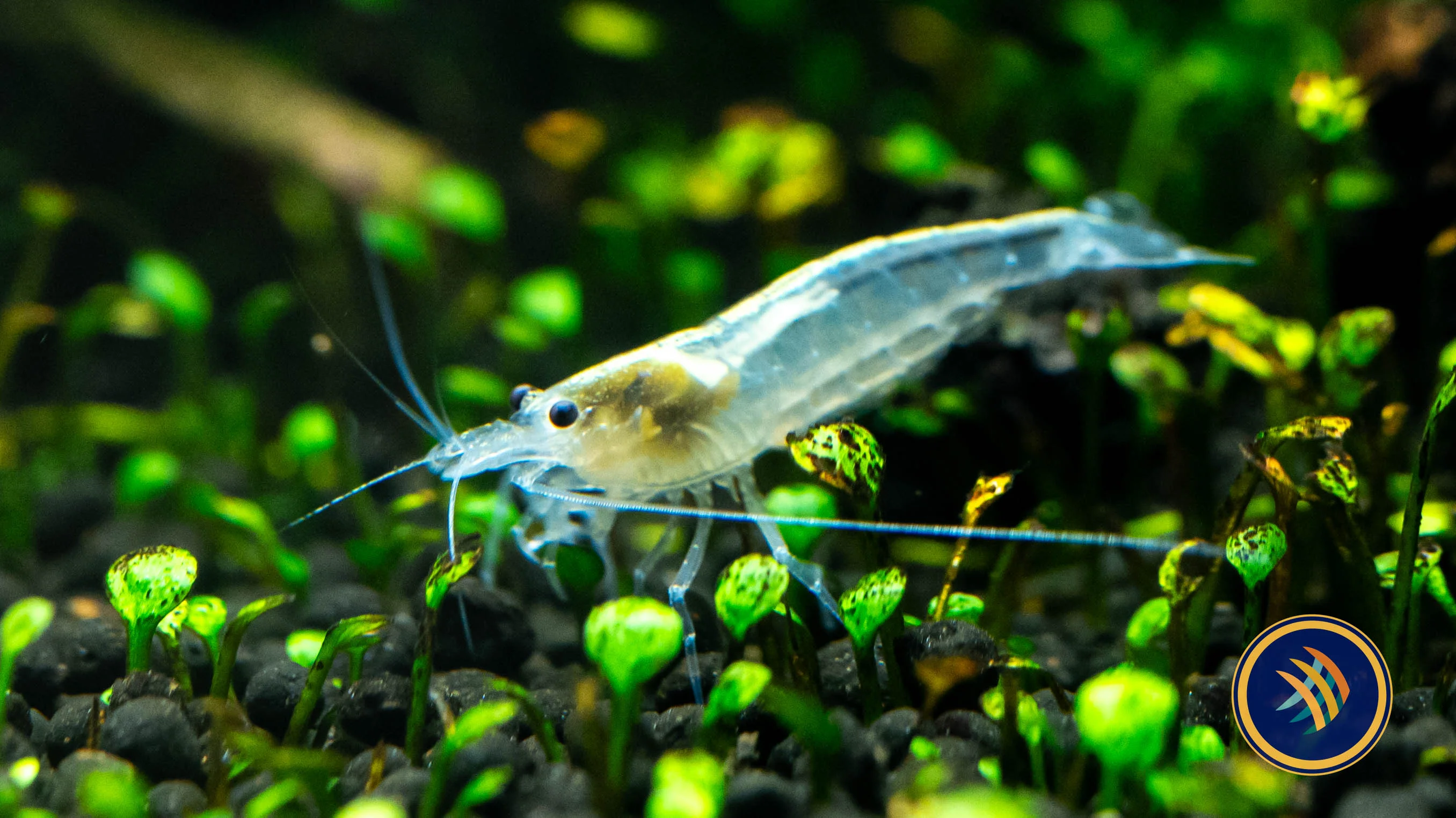
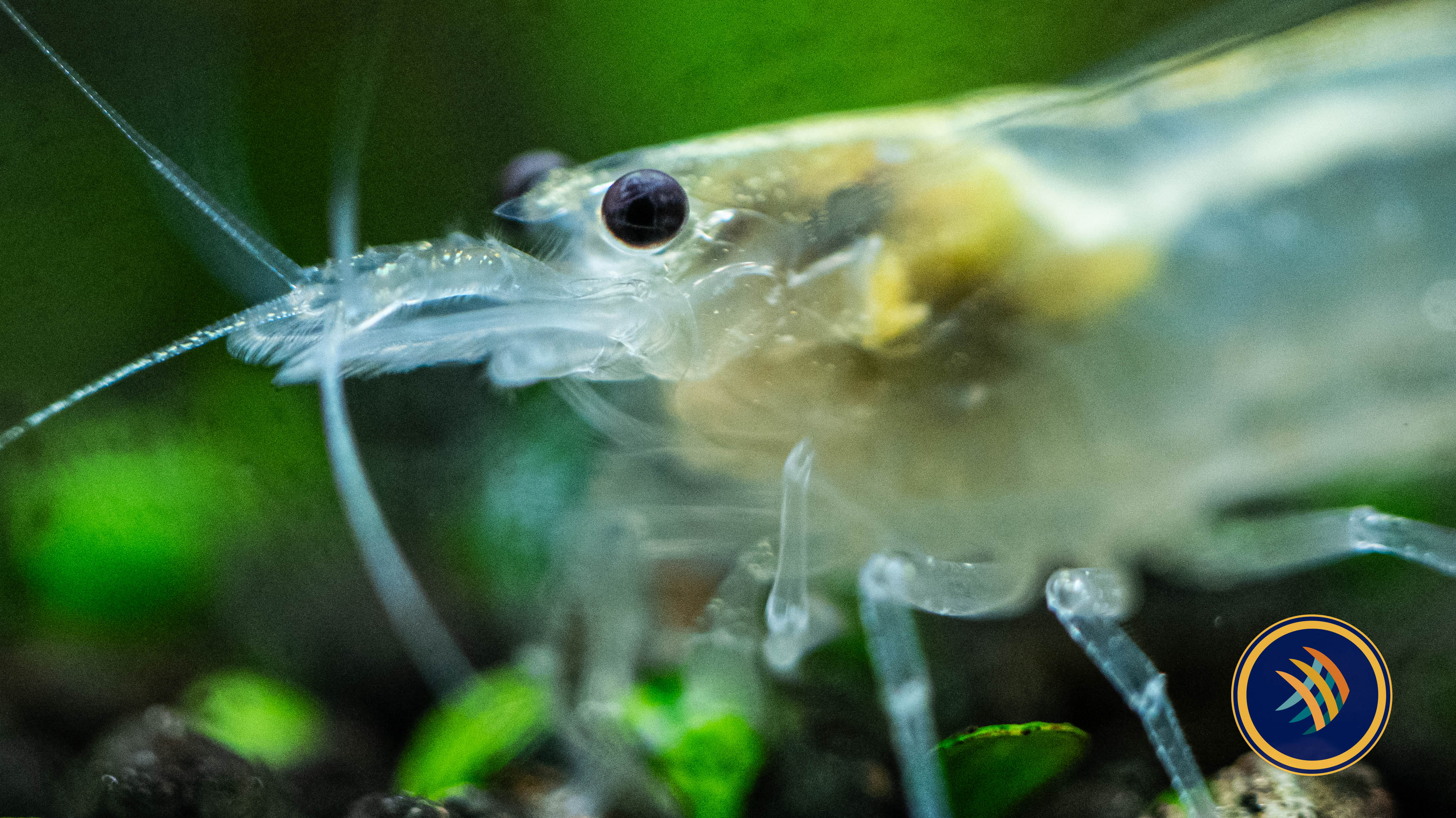
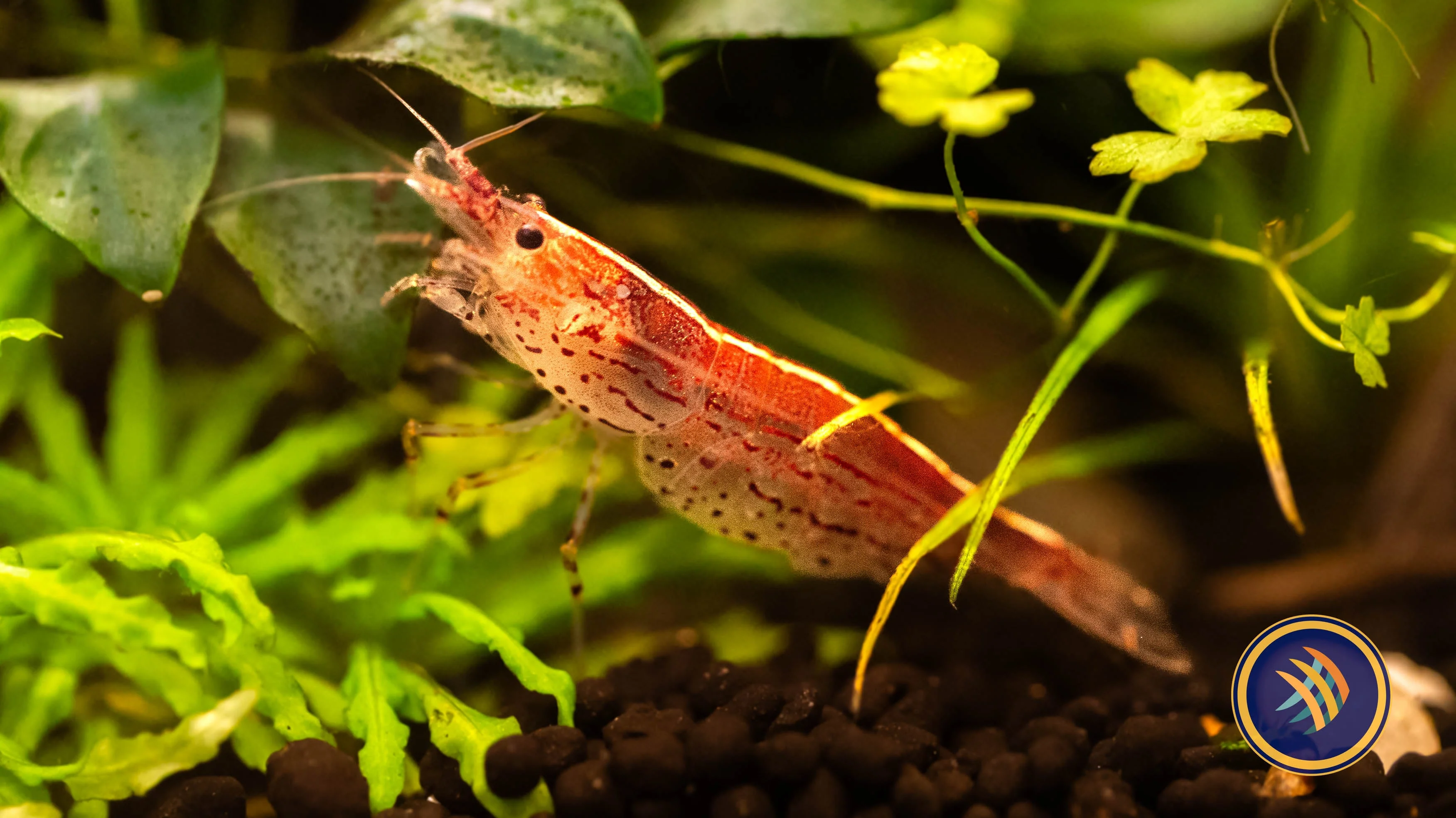
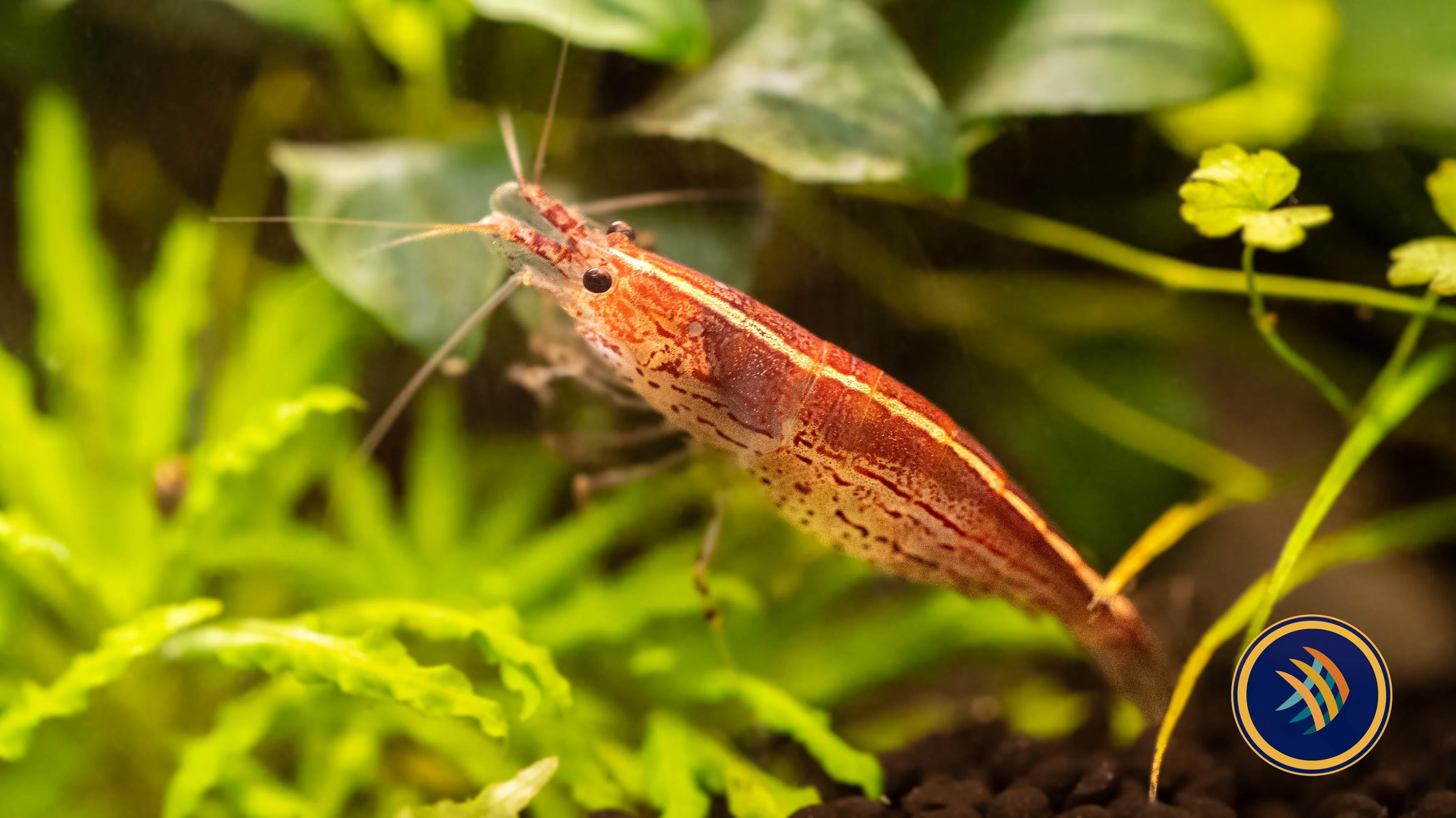
Lime Yellow Amano Shrimp is a visually striking variant of the classic Amano shrimp, best known for its exceptional algae-eating ability and peaceful temperament. While standard Amano shrimp are typically translucent gray with dotted markings, some individuals display a lime‑yellow to yellow‑green hue, which is where this trade name comes from.
Species Overview
- Scientific name: Caridina japonica (also sold as Caridina multidentata)
- Common names: Amano Shrimp, Yamato Shrimp, Lime Yellow Amano
- Adult size: 4–6 cm (1.5–2.5")
- Lifespan: 2–3 years
- Temperament: Peaceful, community-safe
- Difficulty: Easy
- Origin: Japan & Taiwan (freshwater rivers)
About the Lime Yellow Coloration
The lime/yellow appearance usually comes from:
- Diet (algae, biofilm, spirulina, carotenoid-rich foods)
- Full digestive tract (you’re often seeing food through the translucent body)
- High overall health
- Light substrate and strong aquarium lighting
Tank Requirements
- Tank size: 10+ gallons recommended
- Temperature: 20–26 °C (68–79 °F)
- pH: 6.5–7.5
- GH: 4–8
- KH: 2–6
- TDS: ~150–250 ppm
- Flow: Moderate
- Substrate: Any (dark substrates increase visibility)
Best kept in planted aquariums with driftwood and rocks for biofilm growth.
Diet
Amano shrimp are famous for algae control, especially:
- Hair algae
- Soft green algae
- Biofilm
Supplement with:
- Spirulina pellets
- Blanched vegetables (zucchini, spinach)
- Shrimp-specific foods
- Leaf litter (Indian almond, mulberry)
A varied, high-quality diet helps maintain brighter coloration.
Tank Mates
Safe with:
- Small peaceful fish (tetras, rasboras, otocinclus)
- Other dwarf shrimp
- Snails
Avoid:
- Large or aggressive fish
- Predatory species (cichlids, some barbs)
Breeding (Why They’re Rarely Tank-Bred)
Amano shrimp cannot complete their life cycle in freshwater.
- Eggs hatch into larvae
- Larvae require brackish → marine water
- Then slowly acclimated back to freshwater
Product Information
Product Information
Shipping & Returns
Shipping & Returns
Description
Lime Yellow Amano Shrimp is a visually striking variant of the classic Amano shrimp, best known for its exceptional algae-eating ability and peaceful temperament. While standard Amano shrimp are typically translucent gray with dotted markings, some individuals display a lime‑yellow to yellow‑green hue, which is where this trade name comes from.
Species Overview
- Scientific name: Caridina japonica (also sold as Caridina multidentata)
- Common names: Amano Shrimp, Yamato Shrimp, Lime Yellow Amano
- Adult size: 4–6 cm (1.5–2.5")
- Lifespan: 2–3 years
- Temperament: Peaceful, community-safe
- Difficulty: Easy
- Origin: Japan & Taiwan (freshwater rivers)
About the Lime Yellow Coloration
The lime/yellow appearance usually comes from:
- Diet (algae, biofilm, spirulina, carotenoid-rich foods)
- Full digestive tract (you’re often seeing food through the translucent body)
- High overall health
- Light substrate and strong aquarium lighting
Tank Requirements
- Tank size: 10+ gallons recommended
- Temperature: 20–26 °C (68–79 °F)
- pH: 6.5–7.5
- GH: 4–8
- KH: 2–6
- TDS: ~150–250 ppm
- Flow: Moderate
- Substrate: Any (dark substrates increase visibility)
Best kept in planted aquariums with driftwood and rocks for biofilm growth.
Diet
Amano shrimp are famous for algae control, especially:
- Hair algae
- Soft green algae
- Biofilm
Supplement with:
- Spirulina pellets
- Blanched vegetables (zucchini, spinach)
- Shrimp-specific foods
- Leaf litter (Indian almond, mulberry)
A varied, high-quality diet helps maintain brighter coloration.
Tank Mates
Safe with:
- Small peaceful fish (tetras, rasboras, otocinclus)
- Other dwarf shrimp
- Snails
Avoid:
- Large or aggressive fish
- Predatory species (cichlids, some barbs)
Breeding (Why They’re Rarely Tank-Bred)
Amano shrimp cannot complete their life cycle in freshwater.
- Eggs hatch into larvae
- Larvae require brackish → marine water
- Then slowly acclimated back to freshwater