🎉 Up to 70% Off Selected ItemsShop Sale

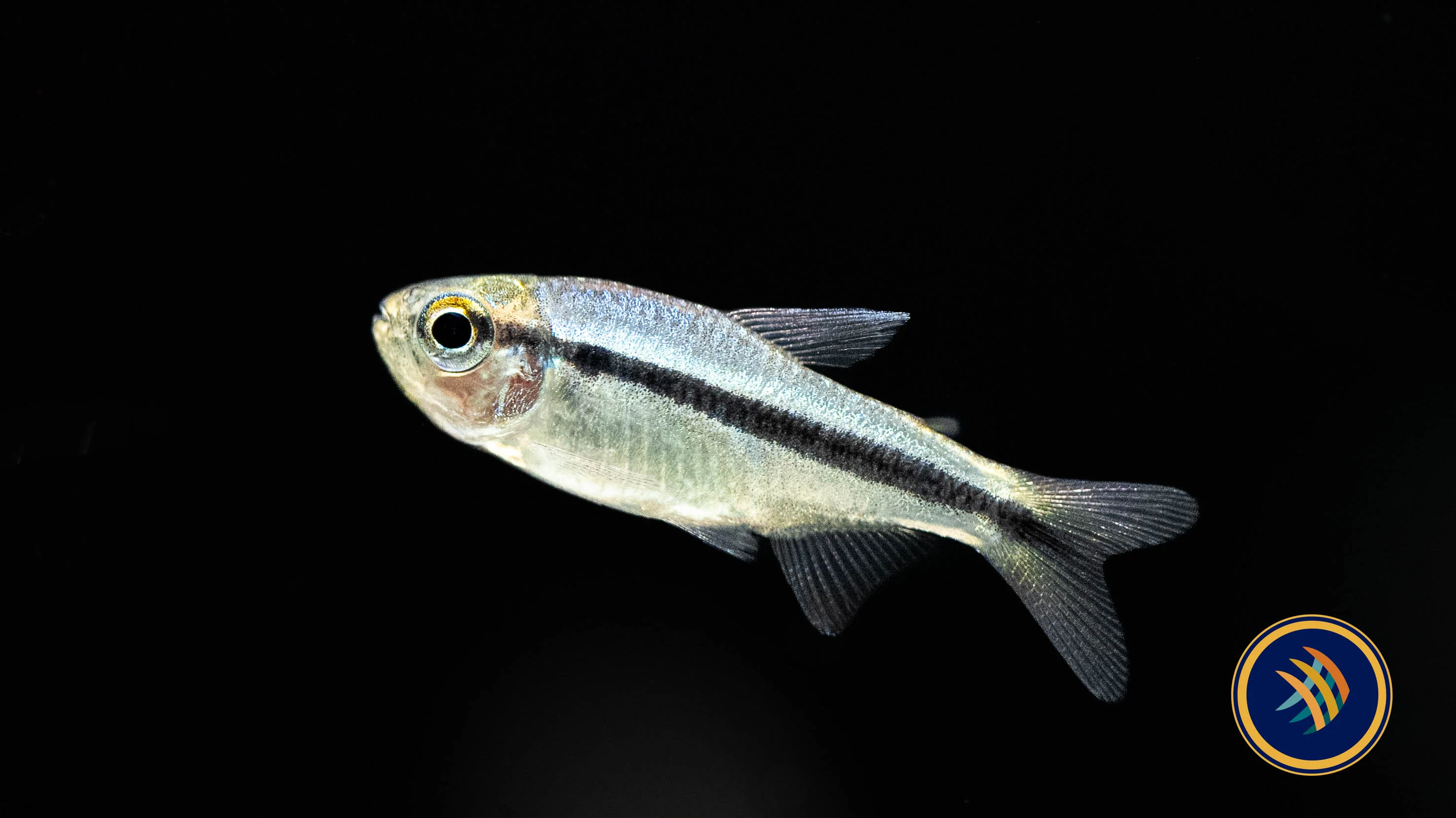
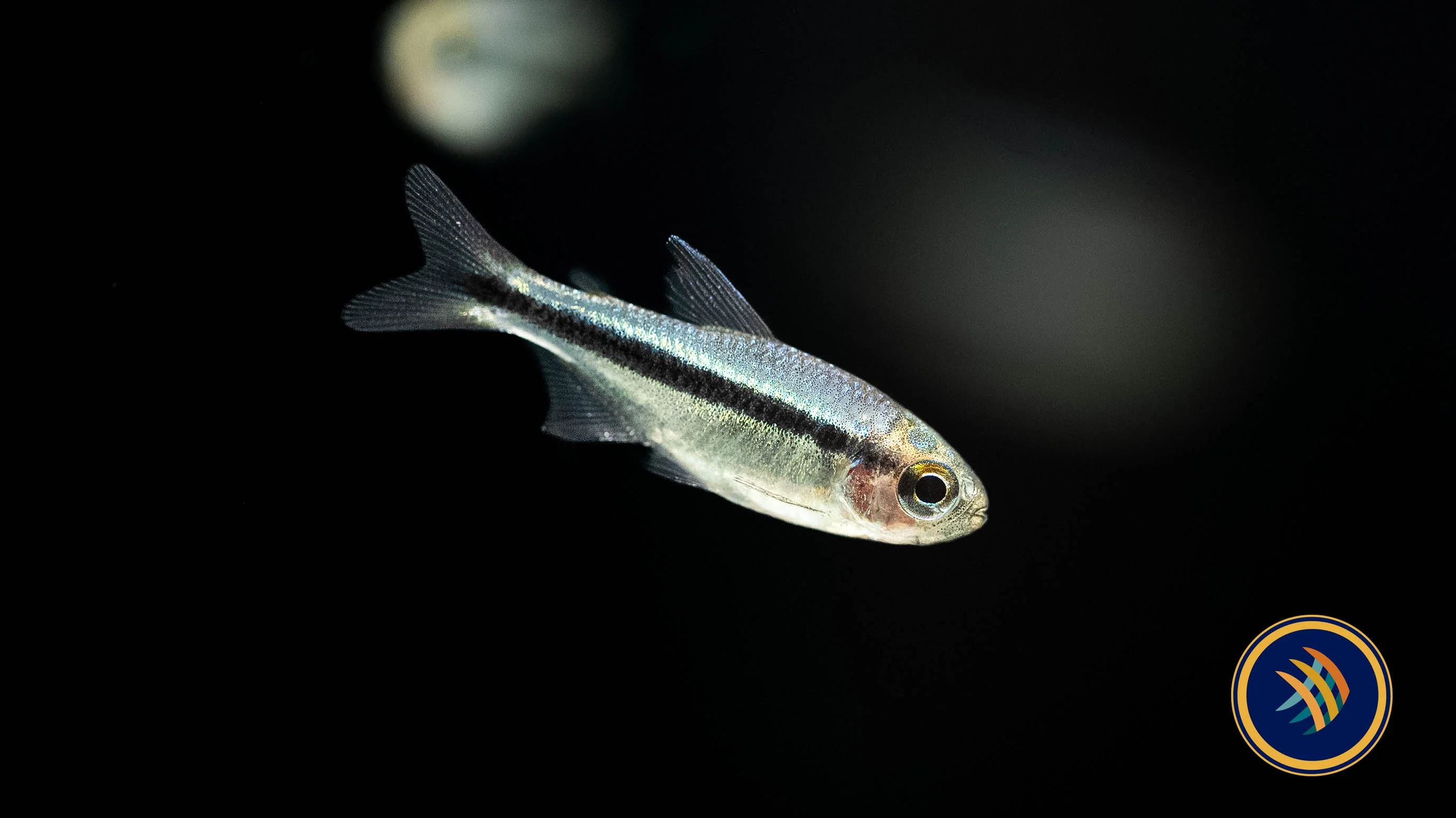
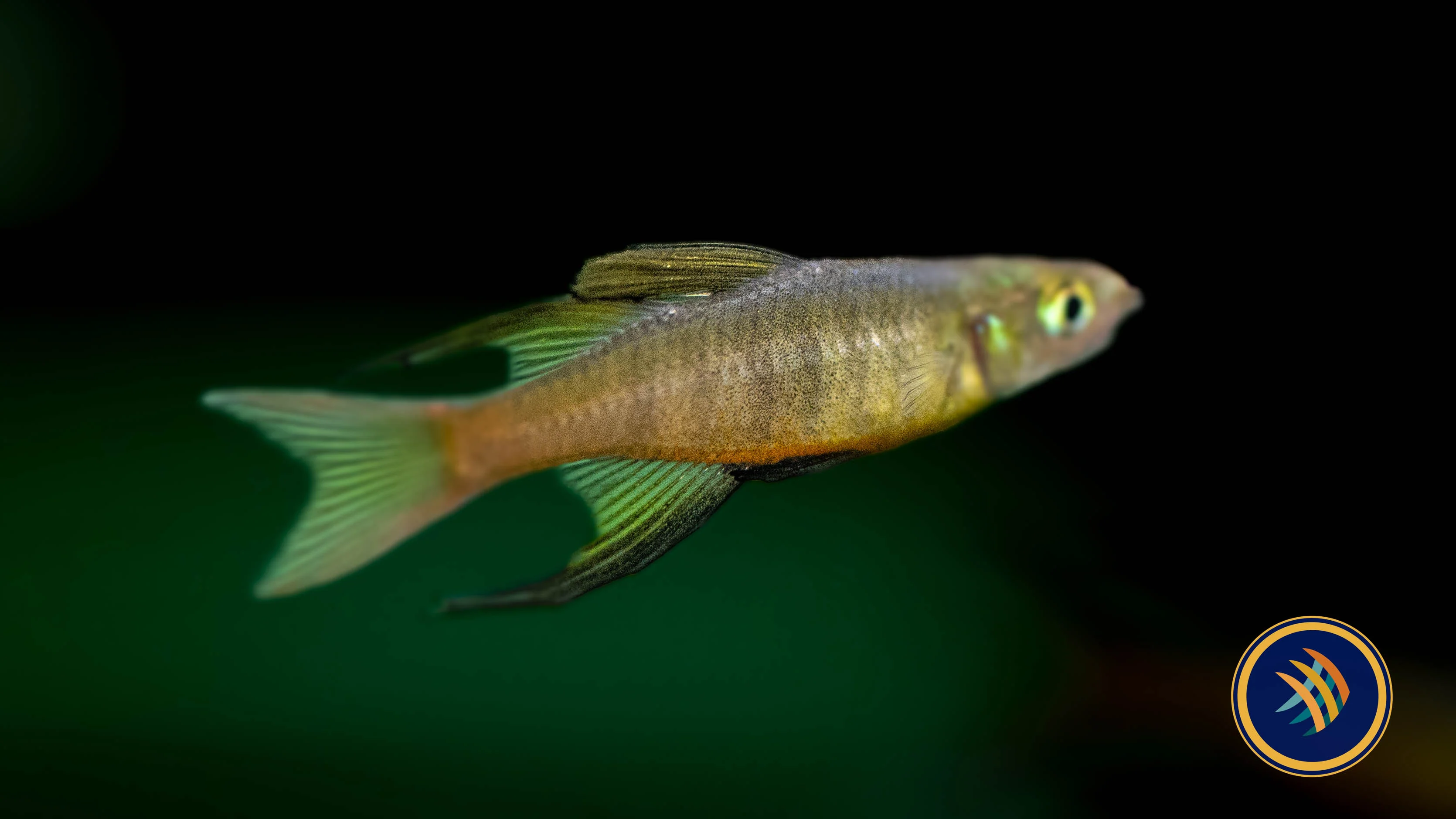
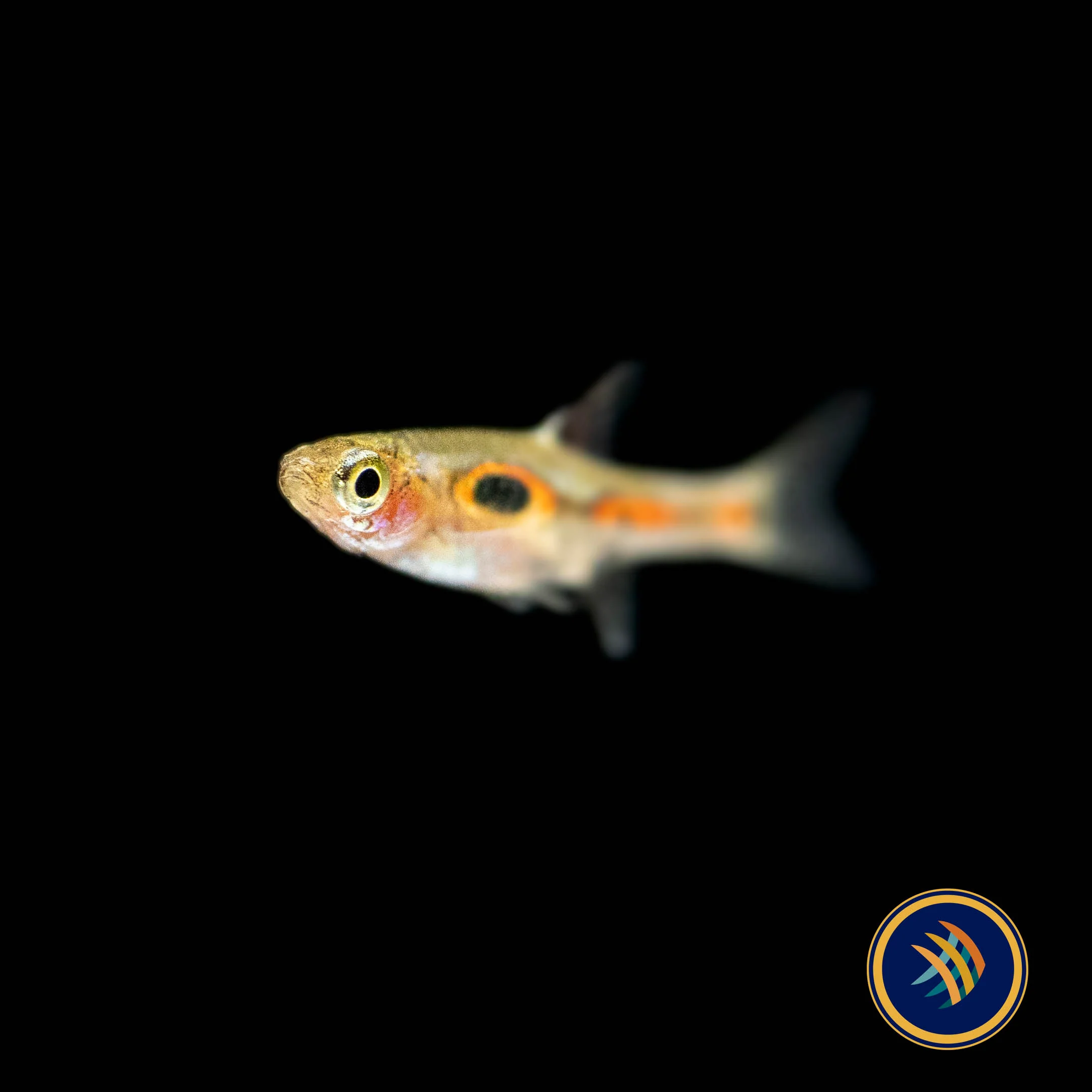
Nishiki Black & Yellow Medaka Rice Fish (Oryzias latipes)
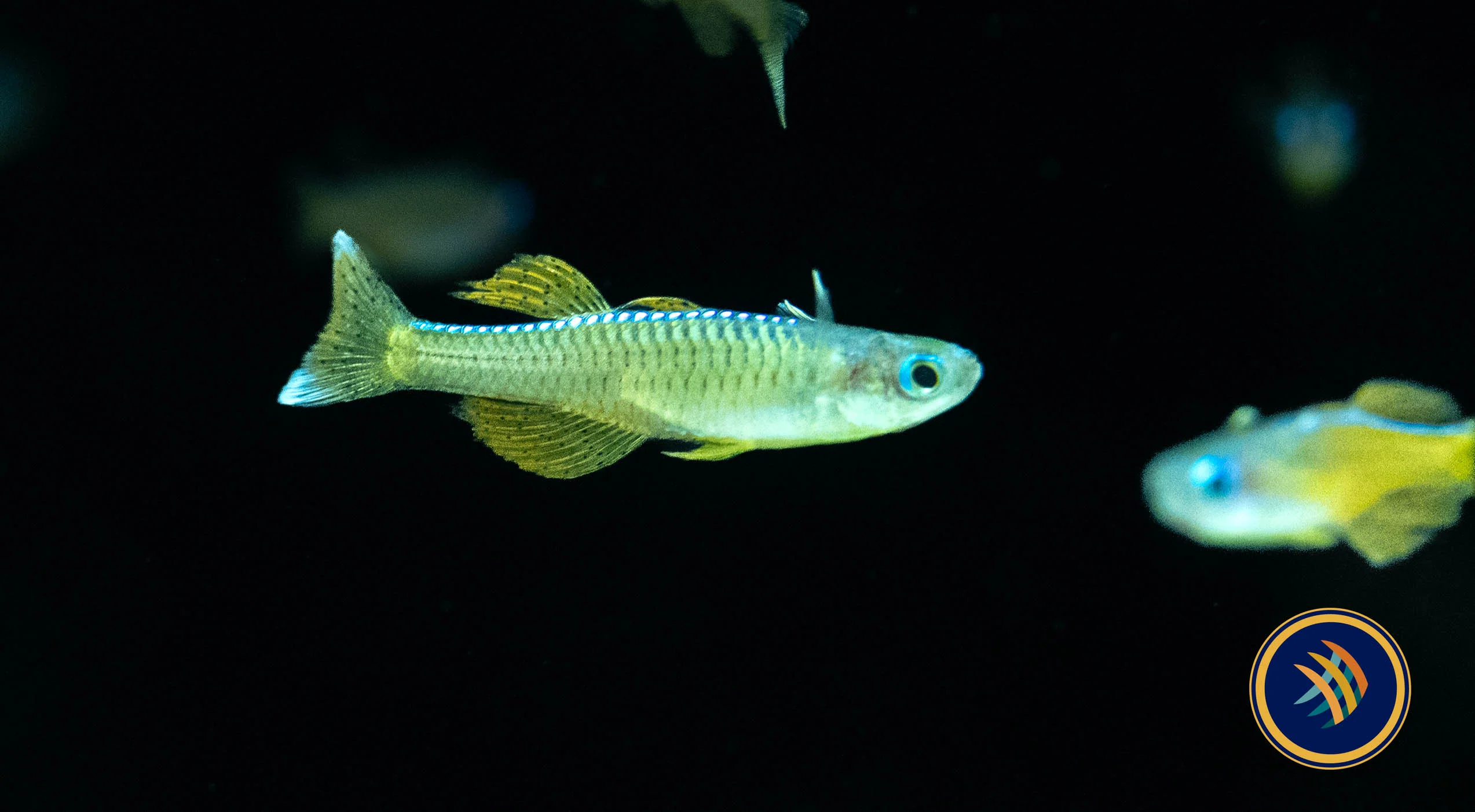
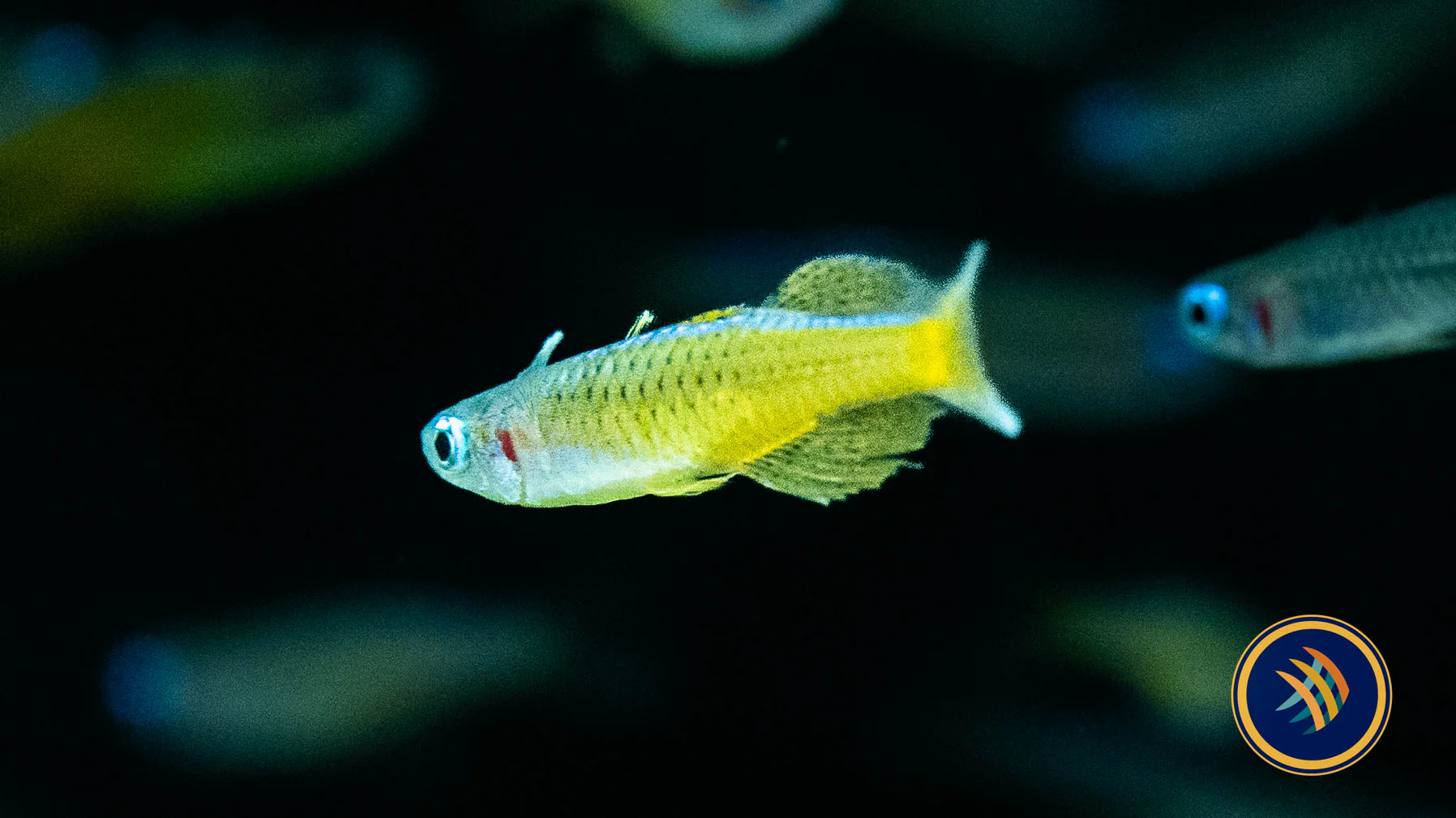
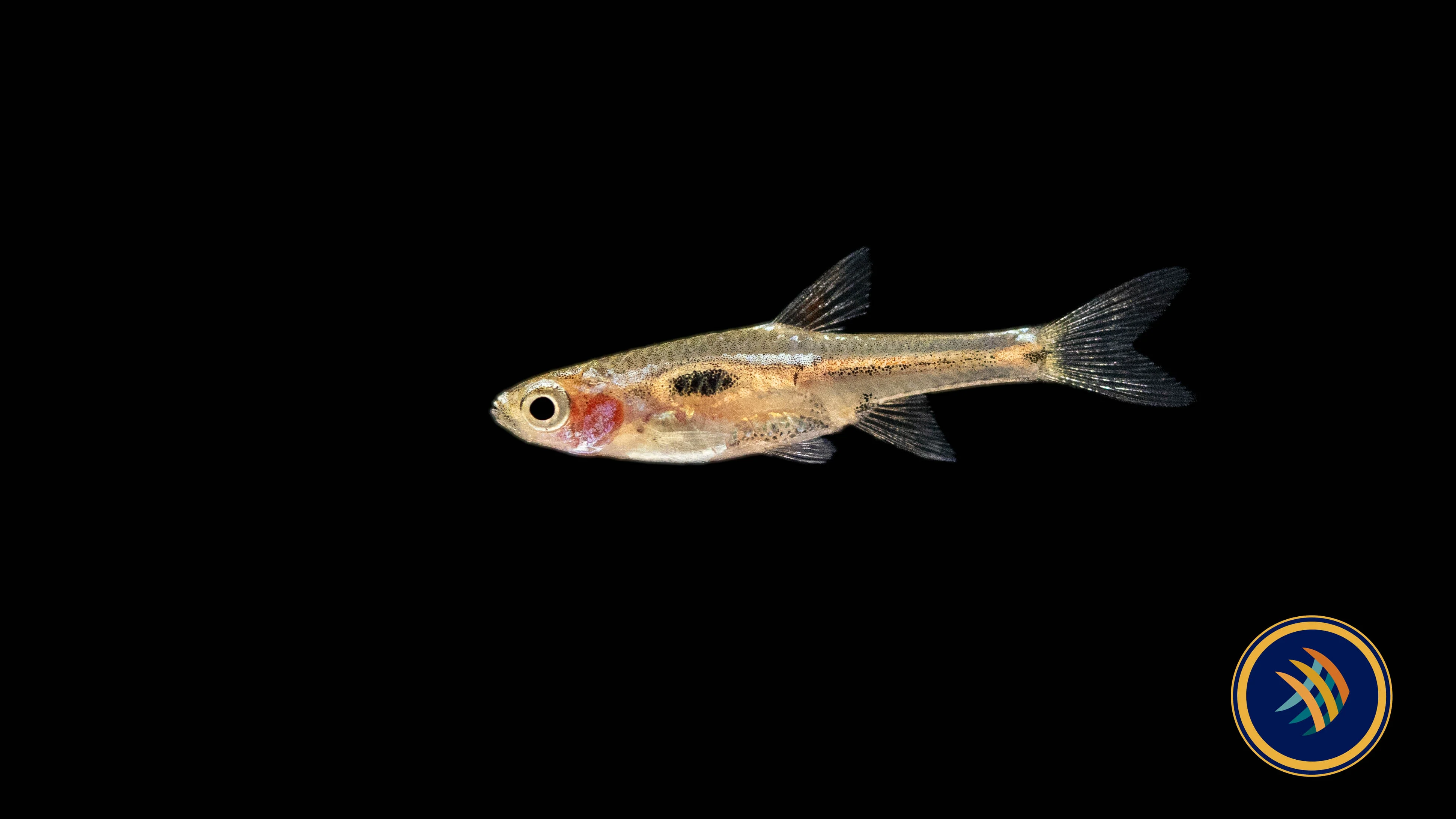
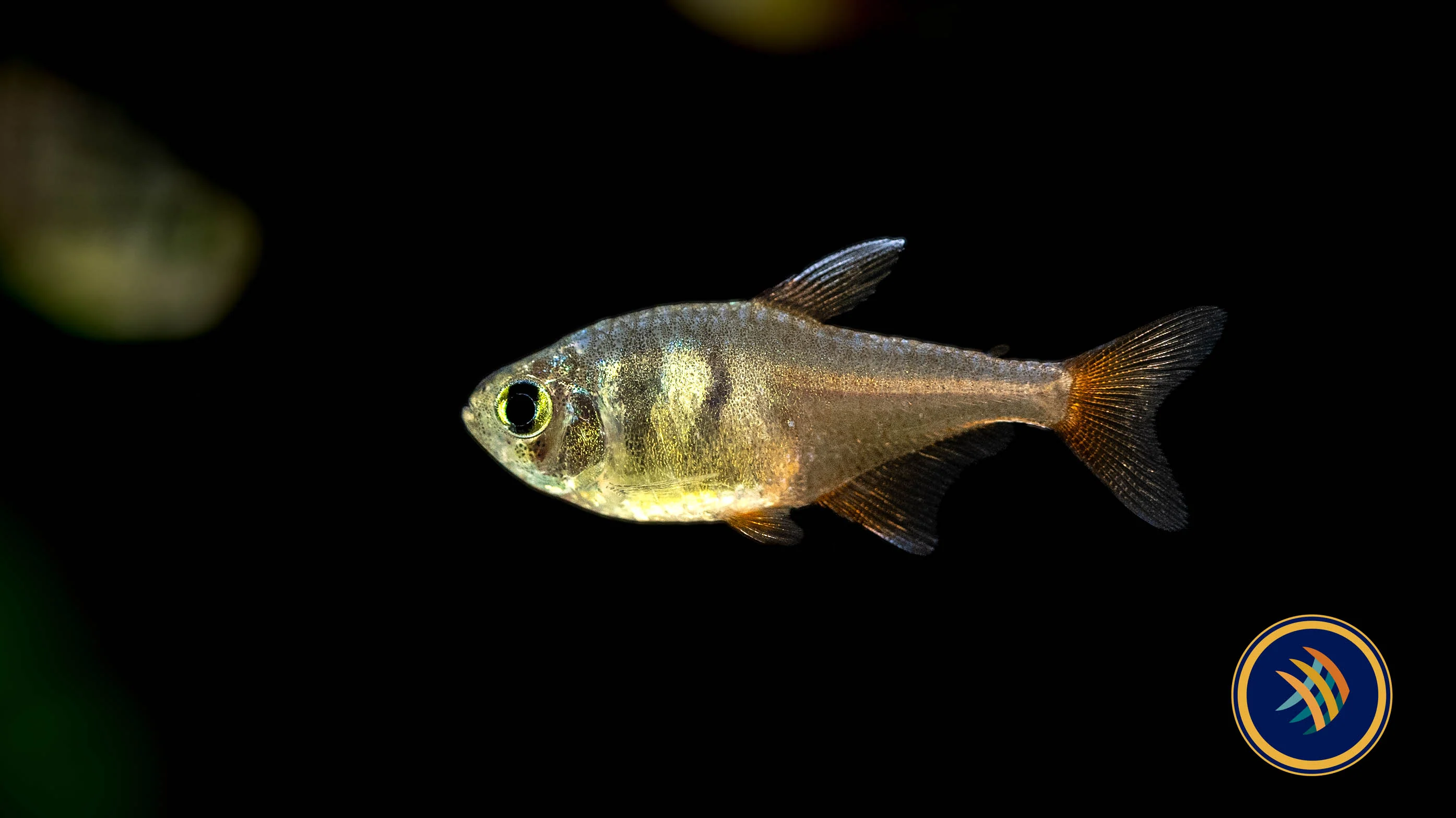
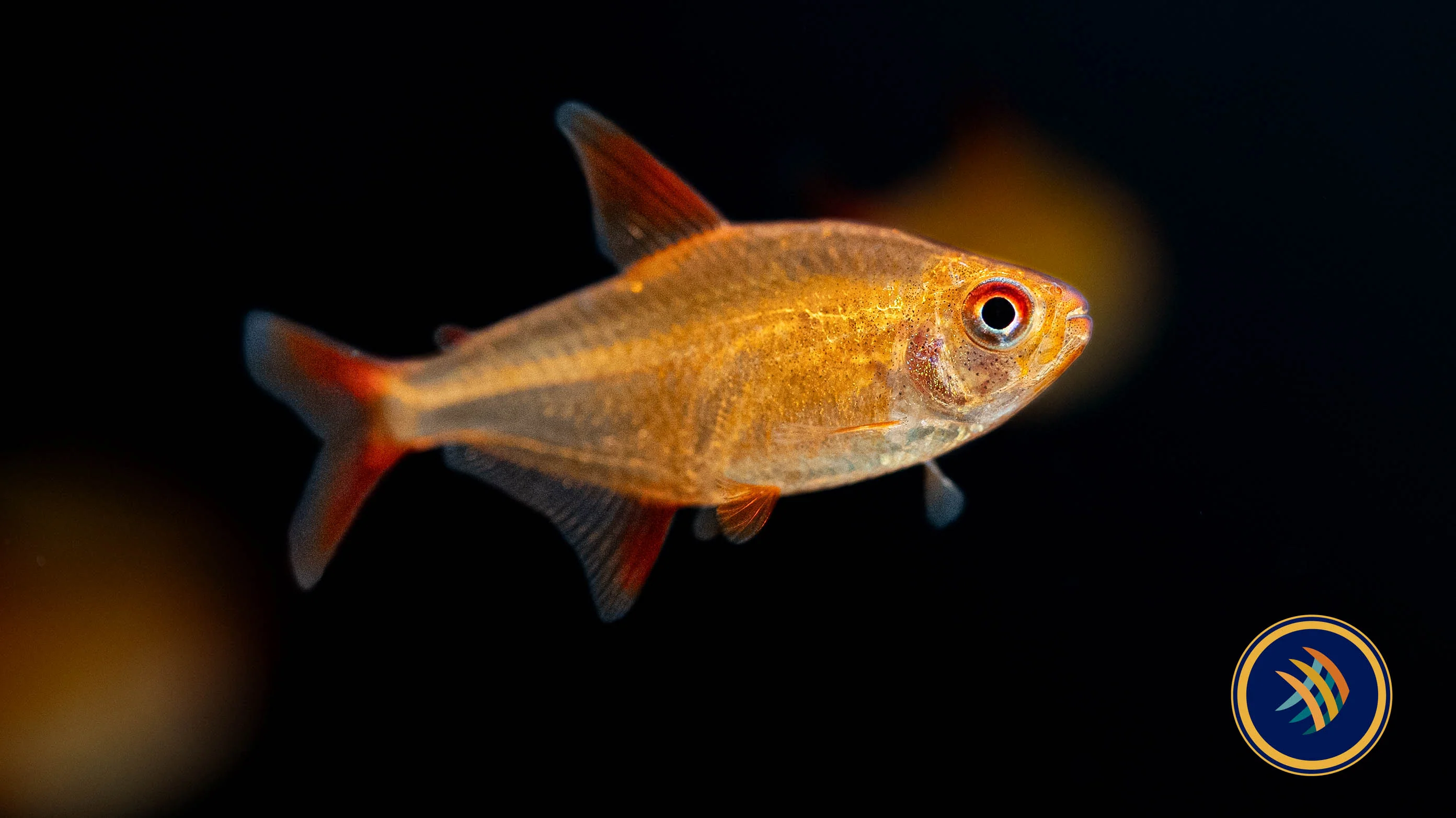
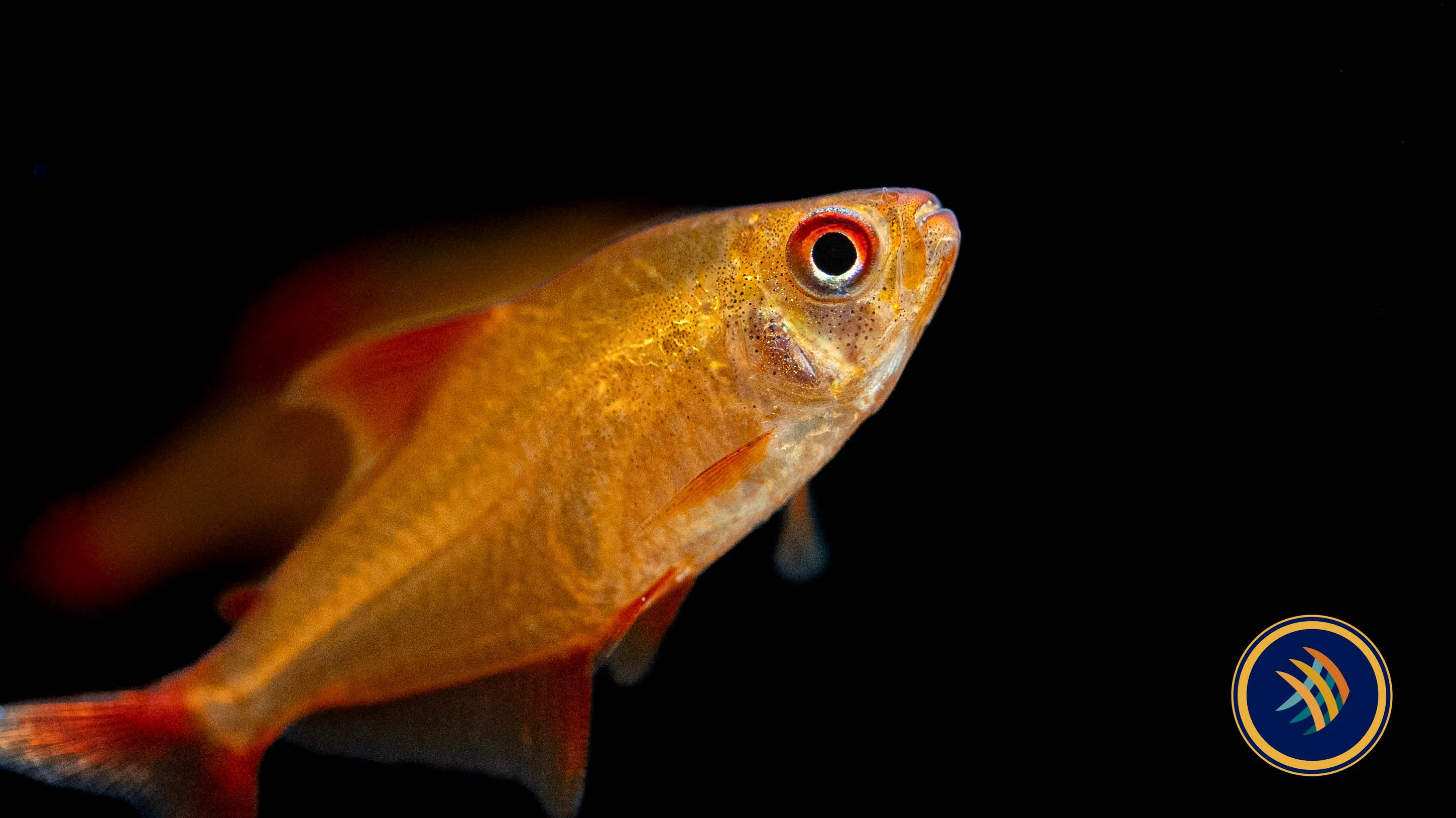
Nishiki Black & Yellow Medaka (Oryzias latipes) is a striking ornamental variety of Japanese rice fish prized for its bold contrast and ease of care.
Appearance
- Coloration: Deep black body with bright yellow/gold patches or overlay
- Pattern: Can vary—some show mottled “koi-like” patterns; others have cleaner contrast
- Size: ~3–4 cm (1.2–1.6 inches) adult length
- Body type: Slender, torpedo-shaped with subtle metallic sheen
Origin & Background
- Derived from selectively bred Japanese medaka strains
- “Nishiki” generally refers to multicolored or ornamental lines, similar in naming style to koi varieties
- Species: Oryzias latipes (native to Japan, Korea, and China)
Care Requirements
Tank / Container
- Minimum: 5 gallons (larger groups preferred)
- Can also thrive in:
- Outdoor tubs
- Patio ponds
- Gentle filtration recommended, but not mandatory in planted setups
Water Parameters
- Temperature: 10–28°C (50–82°F) — very hardy
- pH: 6.5–8.0
- Hardness: Adaptable (soft to moderately hard)
Lighting
- Bright lighting enhances yellow coloration
- Sunlight (for outdoor setups) brings out best contrast
Diet
- Omnivorous and easy to feed:
- High-quality micro pellets or flakes
- Live/frozen foods (brine shrimp, daphnia, mosquito larvae)
- Color-enhancing foods will intensify yellow tones
Behavior & Compatibility
- Peaceful and social schooling fish
- Best kept in groups (5–10+)
- Compatible with:
- Other medaka varieties
- Small peaceful species
- Avoid keeping with aggressive or fin-nipping fish
Breeding
- Extremely easy to breed:
- Females carry eggs attached near the vent briefly before depositing
- Spawning occurs almost daily in warm conditions
- Provide:
- Floating plants or spawning mops
- Eggs hatch in ~7–14 days depending on temperature
Why They’re Popular
- Hardy (great for beginners and outdoor setups)
- Unique black & yellow contrast uncommon in many small fish
- Active and visible swimmers
- Breed readily, making them ideal for hobbyists and breeders
Tips for Best Color
- Keep in dark substrate tanks or tubs
- Provide natural sunlight when possible
- Feed varied, high-quality diet
- Avoid mixing with too many other strains if you want to preserve coloration
$10.90
Nishiki Black & Yellow Medaka Rice Fish (Oryzias latipes)—
$10.90
Product Information
Product Information
Shipping & Returns
Shipping & Returns
Description
Nishiki Black & Yellow Medaka (Oryzias latipes) is a striking ornamental variety of Japanese rice fish prized for its bold contrast and ease of care.
Appearance
- Coloration: Deep black body with bright yellow/gold patches or overlay
- Pattern: Can vary—some show mottled “koi-like” patterns; others have cleaner contrast
- Size: ~3–4 cm (1.2–1.6 inches) adult length
- Body type: Slender, torpedo-shaped with subtle metallic sheen
Origin & Background
- Derived from selectively bred Japanese medaka strains
- “Nishiki” generally refers to multicolored or ornamental lines, similar in naming style to koi varieties
- Species: Oryzias latipes (native to Japan, Korea, and China)
Care Requirements
Tank / Container
- Minimum: 5 gallons (larger groups preferred)
- Can also thrive in:
- Outdoor tubs
- Patio ponds
- Gentle filtration recommended, but not mandatory in planted setups
Water Parameters
- Temperature: 10–28°C (50–82°F) — very hardy
- pH: 6.5–8.0
- Hardness: Adaptable (soft to moderately hard)
Lighting
- Bright lighting enhances yellow coloration
- Sunlight (for outdoor setups) brings out best contrast
Diet
- Omnivorous and easy to feed:
- High-quality micro pellets or flakes
- Live/frozen foods (brine shrimp, daphnia, mosquito larvae)
- Color-enhancing foods will intensify yellow tones
Behavior & Compatibility
- Peaceful and social schooling fish
- Best kept in groups (5–10+)
- Compatible with:
- Other medaka varieties
- Small peaceful species
- Avoid keeping with aggressive or fin-nipping fish
Breeding
- Extremely easy to breed:
- Females carry eggs attached near the vent briefly before depositing
- Spawning occurs almost daily in warm conditions
- Provide:
- Floating plants or spawning mops
- Eggs hatch in ~7–14 days depending on temperature
Why They’re Popular
- Hardy (great for beginners and outdoor setups)
- Unique black & yellow contrast uncommon in many small fish
- Active and visible swimmers
- Breed readily, making them ideal for hobbyists and breeders
Tips for Best Color
- Keep in dark substrate tanks or tubs
- Provide natural sunlight when possible
- Feed varied, high-quality diet
- Avoid mixing with too many other strains if you want to preserve coloration