🎉 Up to 70% Off Selected ItemsShop Sale
1 / 3
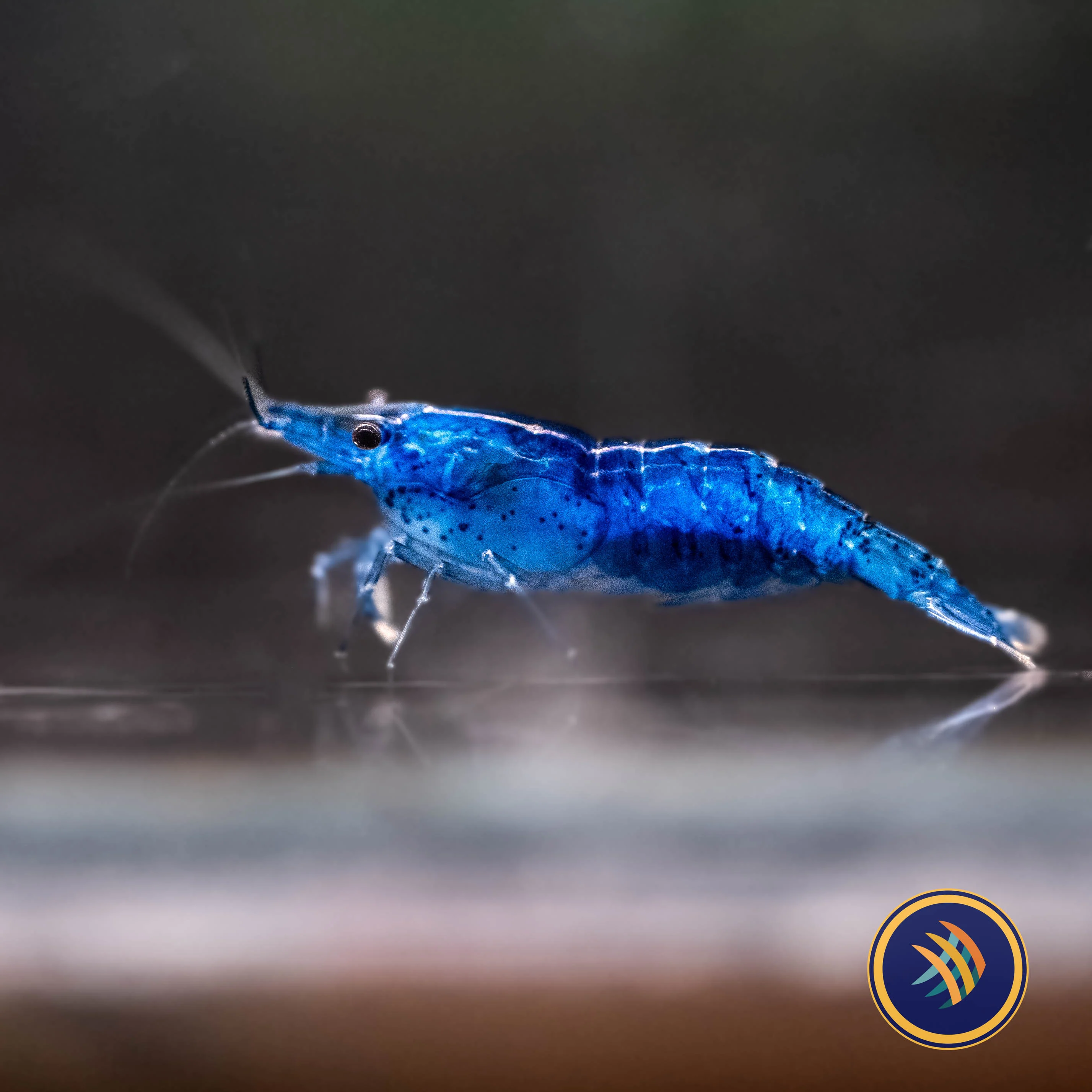
Blue Dream Shrimp (Neocaridina davidi) Locally Bred-Shrimp Index
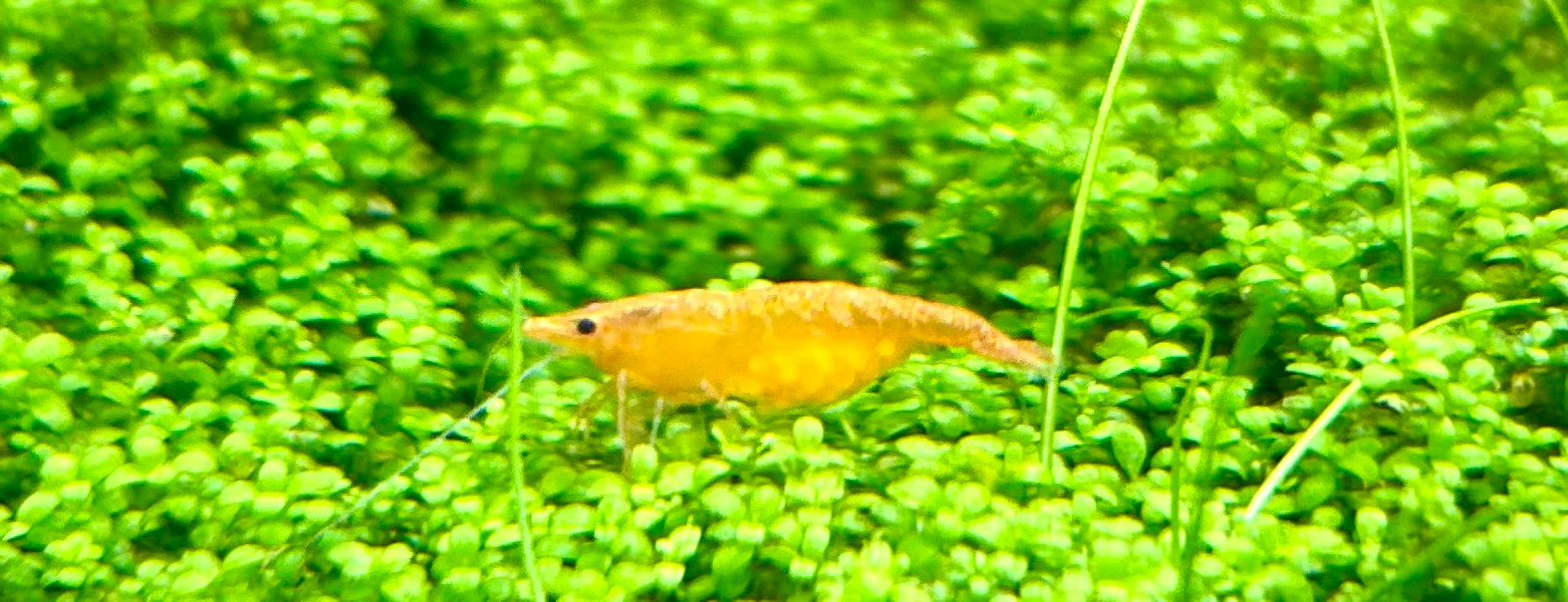
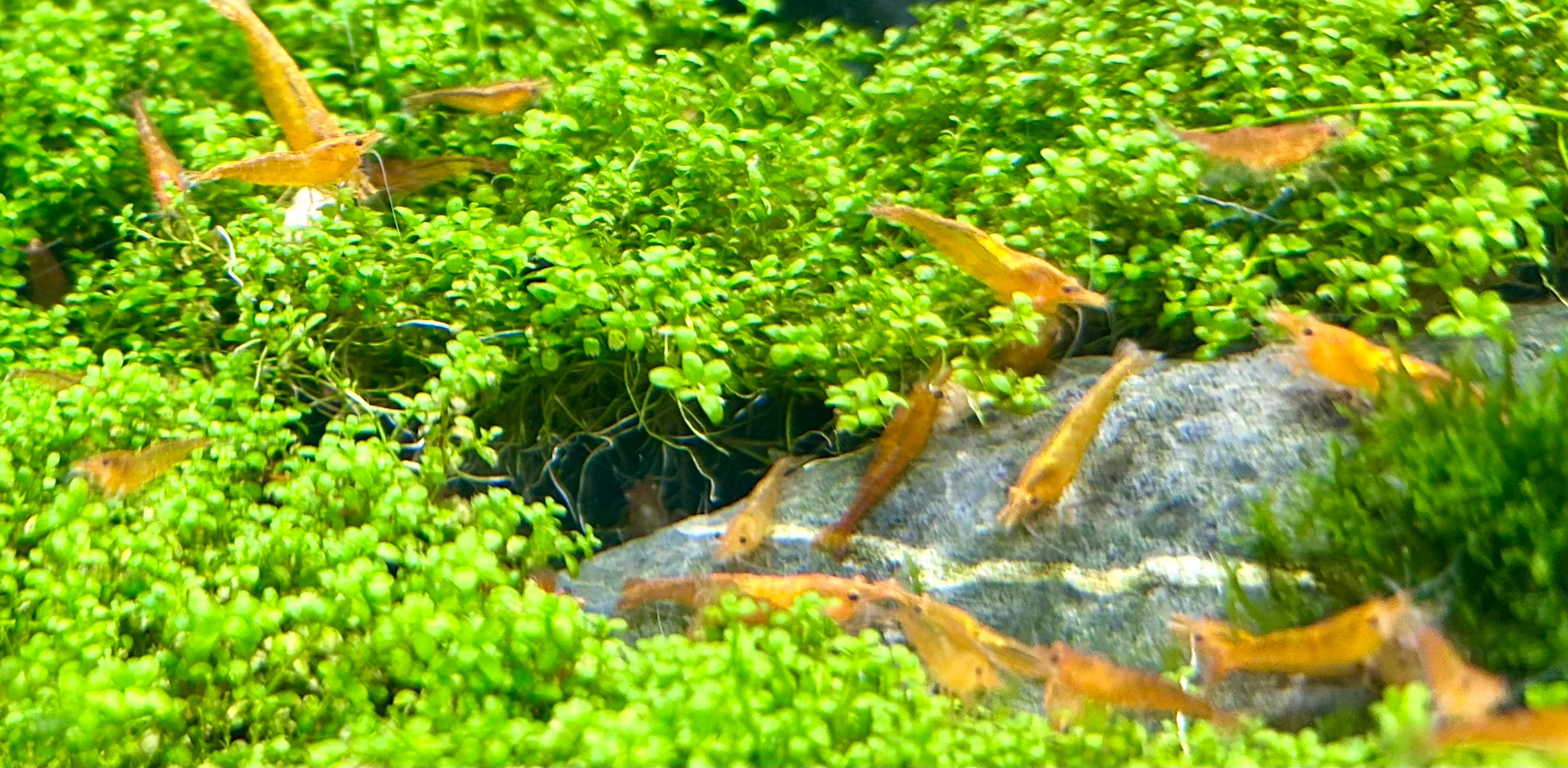
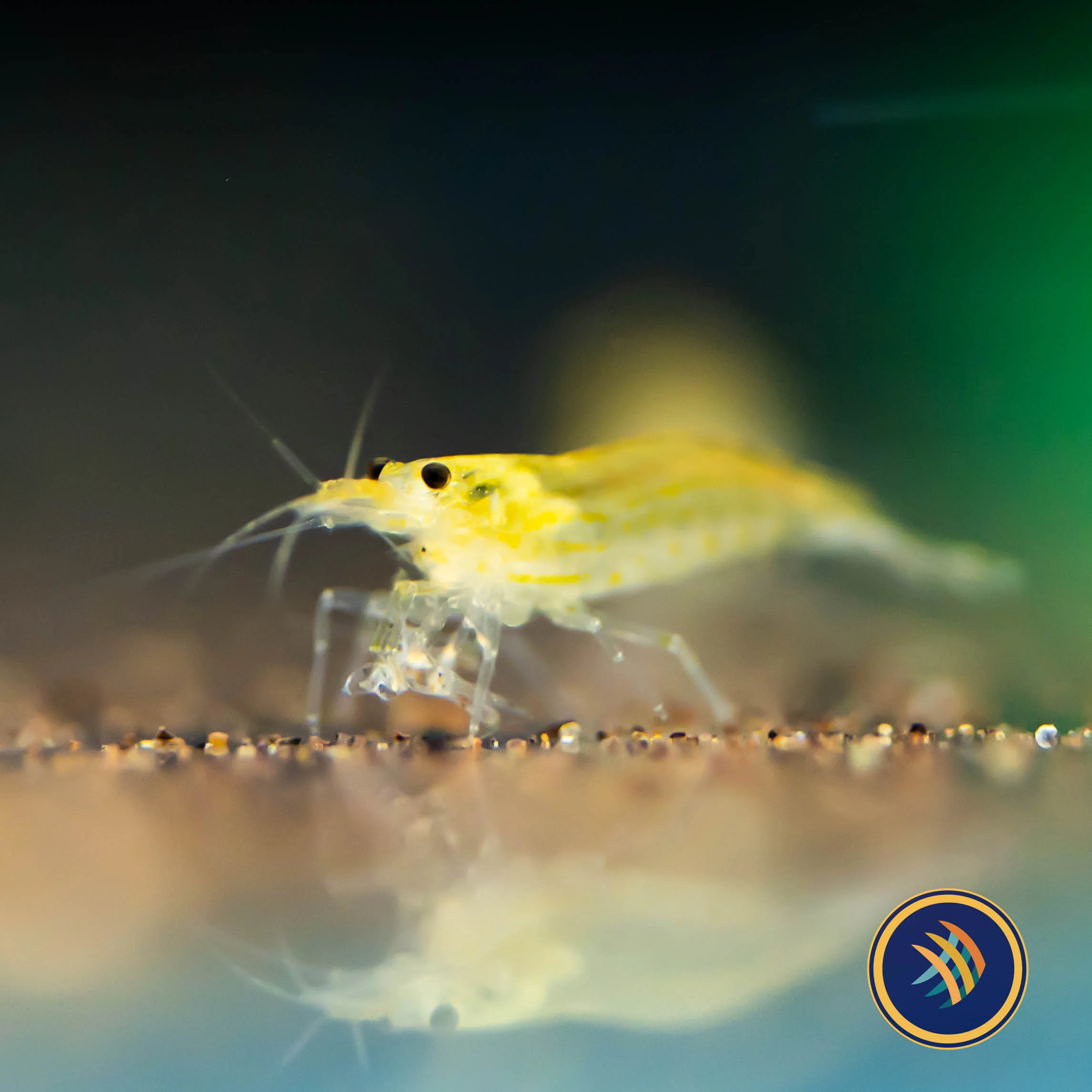
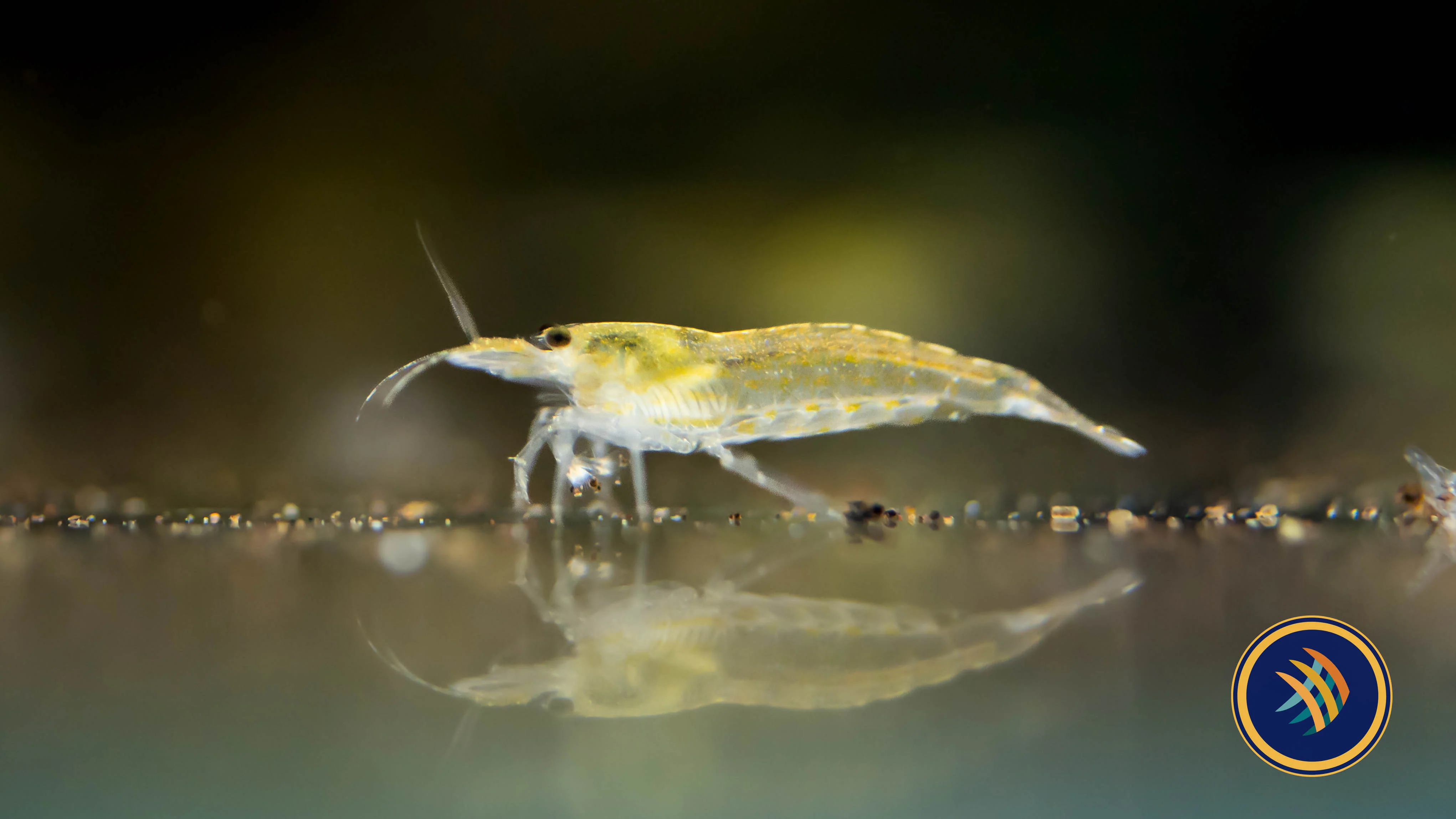
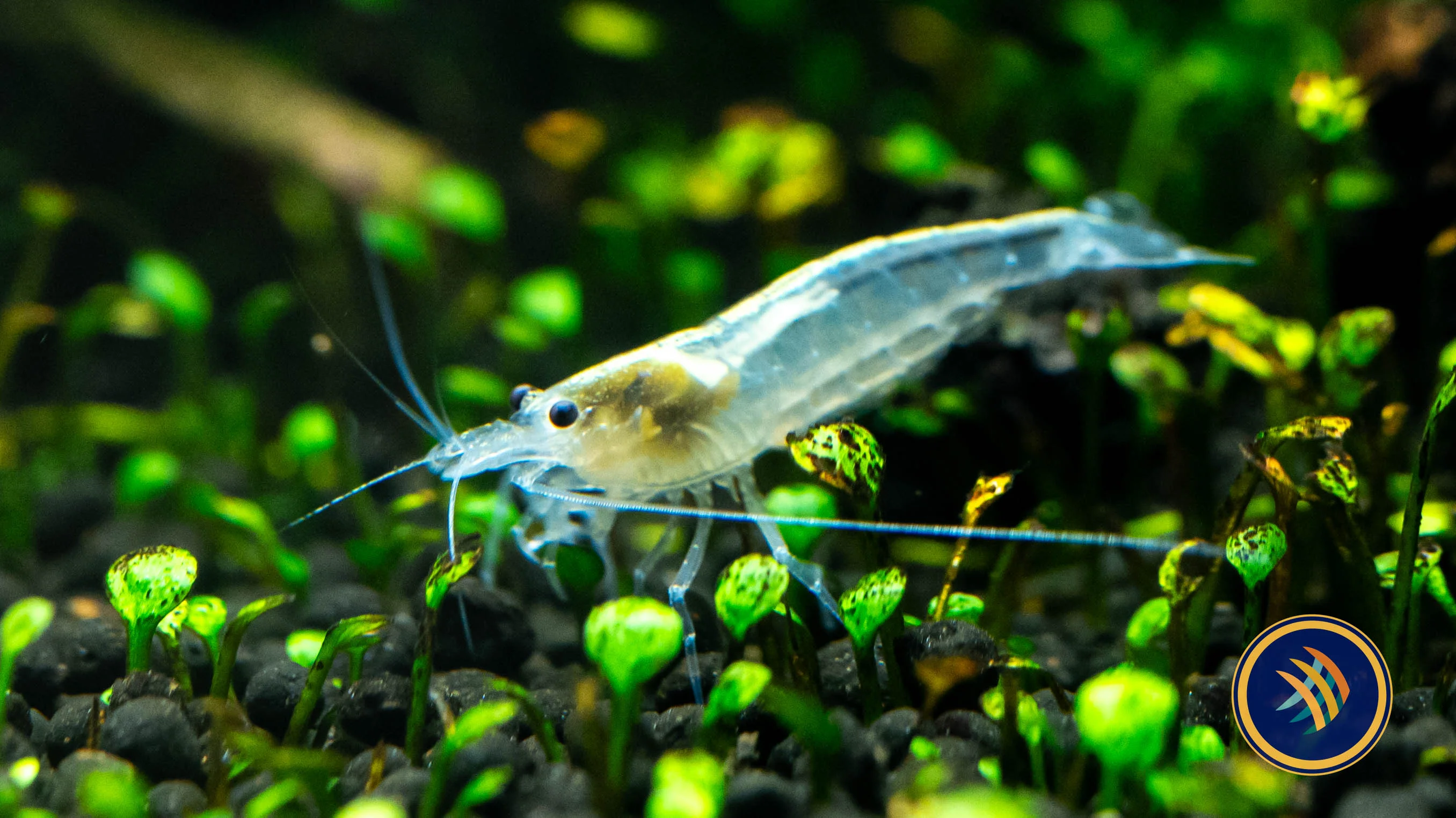
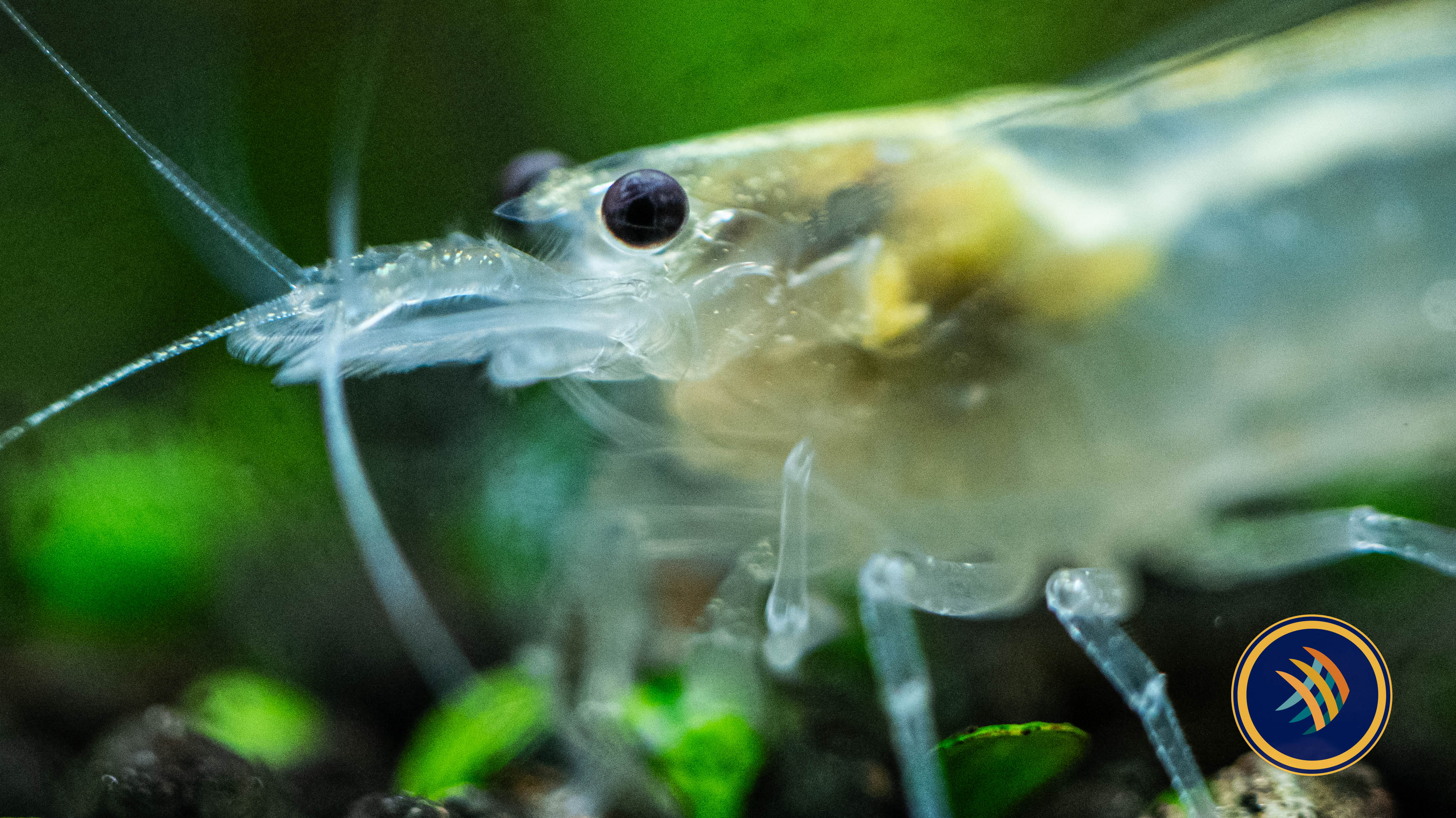
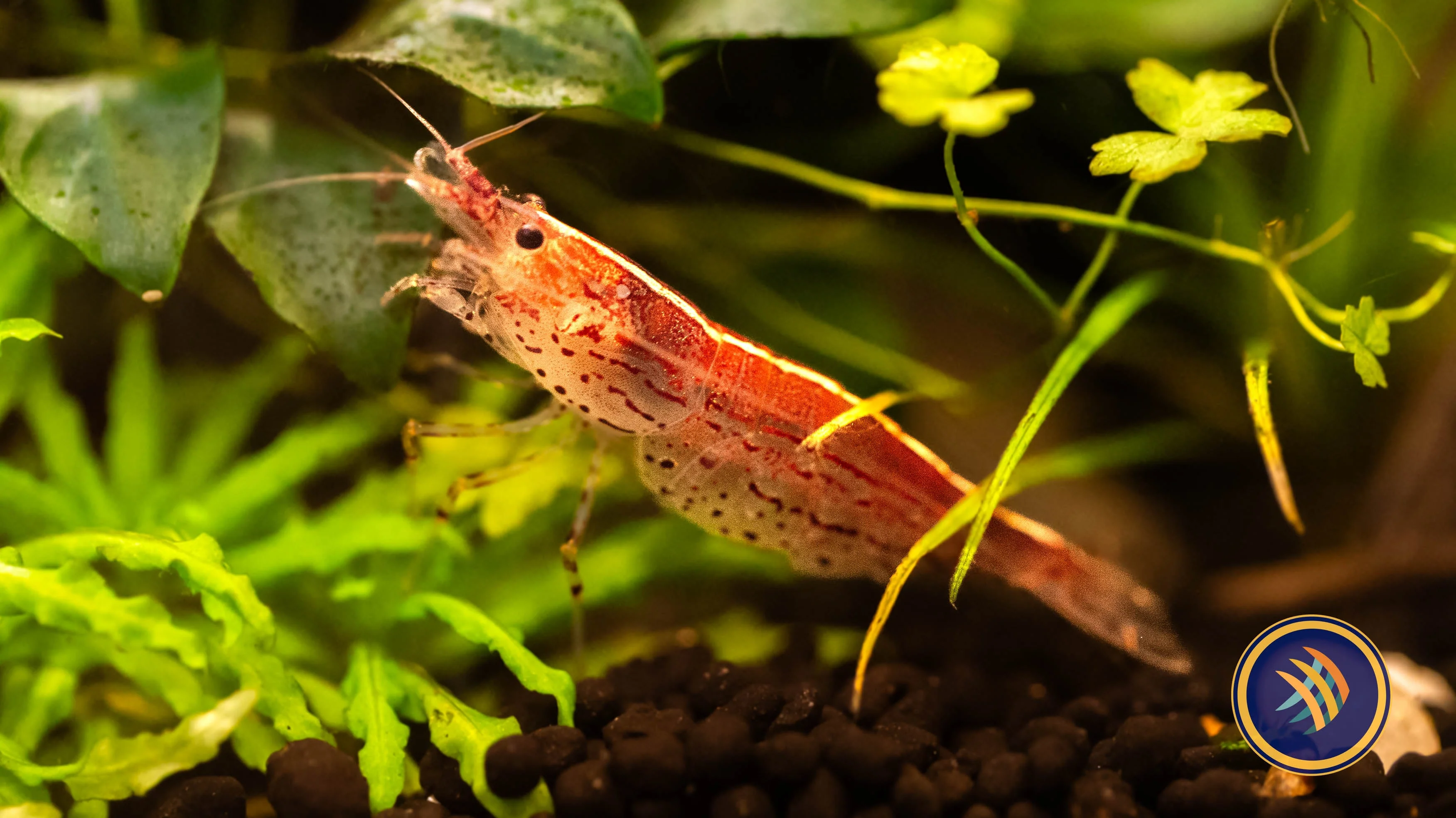
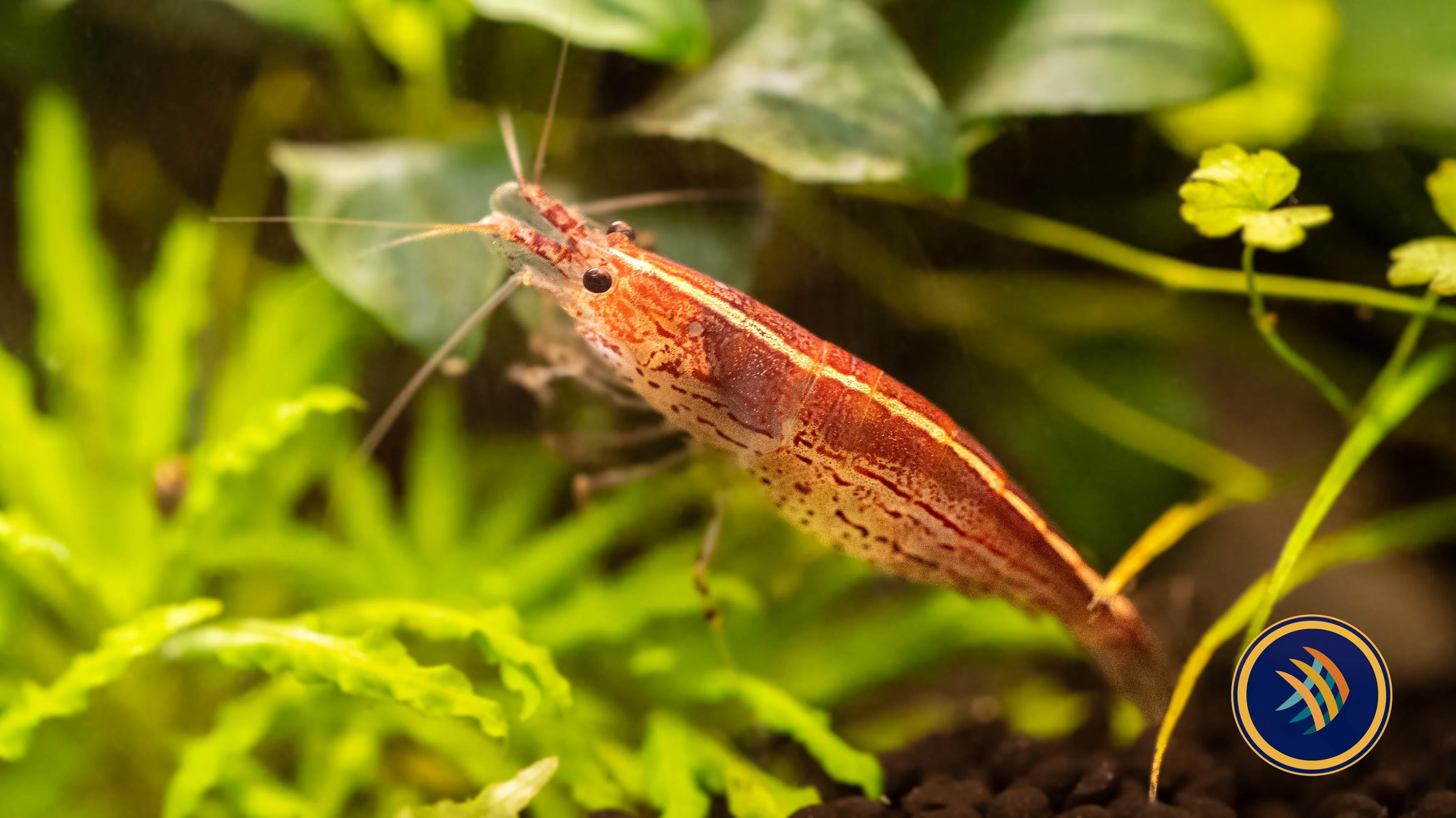
Blue Dream Shrimp (Neocaridina davidi) are a vibrant, hardy, and beginner-friendly freshwater shrimp species that make a stunning addition to planted aquariums.
Species Overview
- Scientific Name: Neocaridina davidi
- Common Names: Blue Dream Shrimp, Blue Velvet Shrimp, Sapphire Shrimp
- Size: 1–1.5 inches (up to 2 inches max)
- Lifespan: 1–2 years
- Temperament: Peaceful and non-aggressive
Tank Setup
- Minimum Tank Size: 5–10 gallons (larger tanks offer more stability)
- Substrate: Dark or rocky substrate enhances color and mimics natural habitat
- Plants: Java Moss, Anubias, Cryptocoryne, and Amazon Sword provide hiding spots and biofilm
- Filtration: Sponge filters or HOB filters with pre-filters to prevent shrimp from being sucked in
- Lighting: Moderate lighting (6–8 hours/day) to support plant growth without excessive algae
- Lid: Recommended to prevent escapes and maintain stable temperature
Water Parameters
- Temperature: 68–78°F (20–25.5°C)
- pH: 6.5–8.0
- GH (General Hardness): 6–8 dGH
- KH (Carbonate Hardness): 0–2 dKH
- TDS (Total Dissolved Solids): 150–300 ppm
- Ammonia/Nitrite: 0 ppm
- Nitrate: <20 ppm
Feeding
-
Diet: Omnivorous scavengers
- Algae wafers
- Shrimp pellets
- Blanched vegetables (spinach, zucchini, carrots)
- Biofilm and detritus
- Feeding Frequency: Once daily or every other day; only what they can eat in 2–3 minutes to avoid overfeeding
Breeding
- Ease: Very easy under stable conditions
- Maturity: Around 75–90 days
- Egg Incubation: 25–35 days
- Fry Care: Shrimplets feed on biofilm; ensure a mature, planted tank with hiding spots
- Reproduction Rate: 20–50 shrimplets per batch
Tank Mates
- Compatible: Other Neocaridina shrimp, small tetras, rasboras, pygmy corydoras, snails
- Avoid: Aggressive or large fish like angelfish, goldfish, or danios
Special Tips
- Avoid copper in medications or fertilizers—it is toxic to shrimp.
- Regular water changes and testing are essential.
- Overfeeding is a common cause of death—less is more.
$2.03
Original: $5.81
-65%Blue Dream Shrimp (Neocaridina davidi) Locally Bred-Shrimp Index—
$5.81
$2.03Product Information
Product Information
Shipping & Returns
Shipping & Returns
Description
Blue Dream Shrimp (Neocaridina davidi) are a vibrant, hardy, and beginner-friendly freshwater shrimp species that make a stunning addition to planted aquariums.
Species Overview
- Scientific Name: Neocaridina davidi
- Common Names: Blue Dream Shrimp, Blue Velvet Shrimp, Sapphire Shrimp
- Size: 1–1.5 inches (up to 2 inches max)
- Lifespan: 1–2 years
- Temperament: Peaceful and non-aggressive
Tank Setup
- Minimum Tank Size: 5–10 gallons (larger tanks offer more stability)
- Substrate: Dark or rocky substrate enhances color and mimics natural habitat
- Plants: Java Moss, Anubias, Cryptocoryne, and Amazon Sword provide hiding spots and biofilm
- Filtration: Sponge filters or HOB filters with pre-filters to prevent shrimp from being sucked in
- Lighting: Moderate lighting (6–8 hours/day) to support plant growth without excessive algae
- Lid: Recommended to prevent escapes and maintain stable temperature
Water Parameters
- Temperature: 68–78°F (20–25.5°C)
- pH: 6.5–8.0
- GH (General Hardness): 6–8 dGH
- KH (Carbonate Hardness): 0–2 dKH
- TDS (Total Dissolved Solids): 150–300 ppm
- Ammonia/Nitrite: 0 ppm
- Nitrate: <20 ppm
Feeding
-
Diet: Omnivorous scavengers
- Algae wafers
- Shrimp pellets
- Blanched vegetables (spinach, zucchini, carrots)
- Biofilm and detritus
- Feeding Frequency: Once daily or every other day; only what they can eat in 2–3 minutes to avoid overfeeding
Breeding
- Ease: Very easy under stable conditions
- Maturity: Around 75–90 days
- Egg Incubation: 25–35 days
- Fry Care: Shrimplets feed on biofilm; ensure a mature, planted tank with hiding spots
- Reproduction Rate: 20–50 shrimplets per batch
Tank Mates
- Compatible: Other Neocaridina shrimp, small tetras, rasboras, pygmy corydoras, snails
- Avoid: Aggressive or large fish like angelfish, goldfish, or danios
Special Tips
- Avoid copper in medications or fertilizers—it is toxic to shrimp.
- Regular water changes and testing are essential.
- Overfeeding is a common cause of death—less is more.