🎉 Up to 70% Off Selected ItemsShop Sale
1 / 6
Crowntail Betta (Betta splendens)
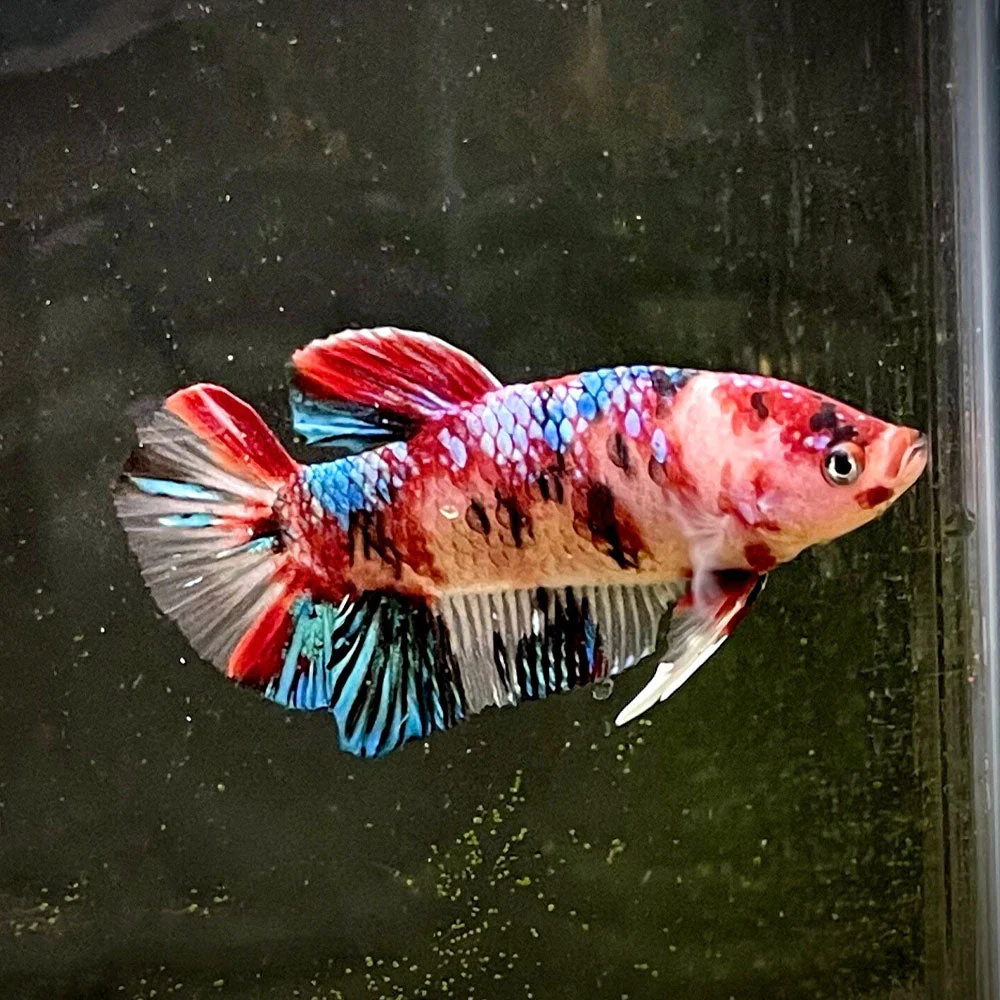
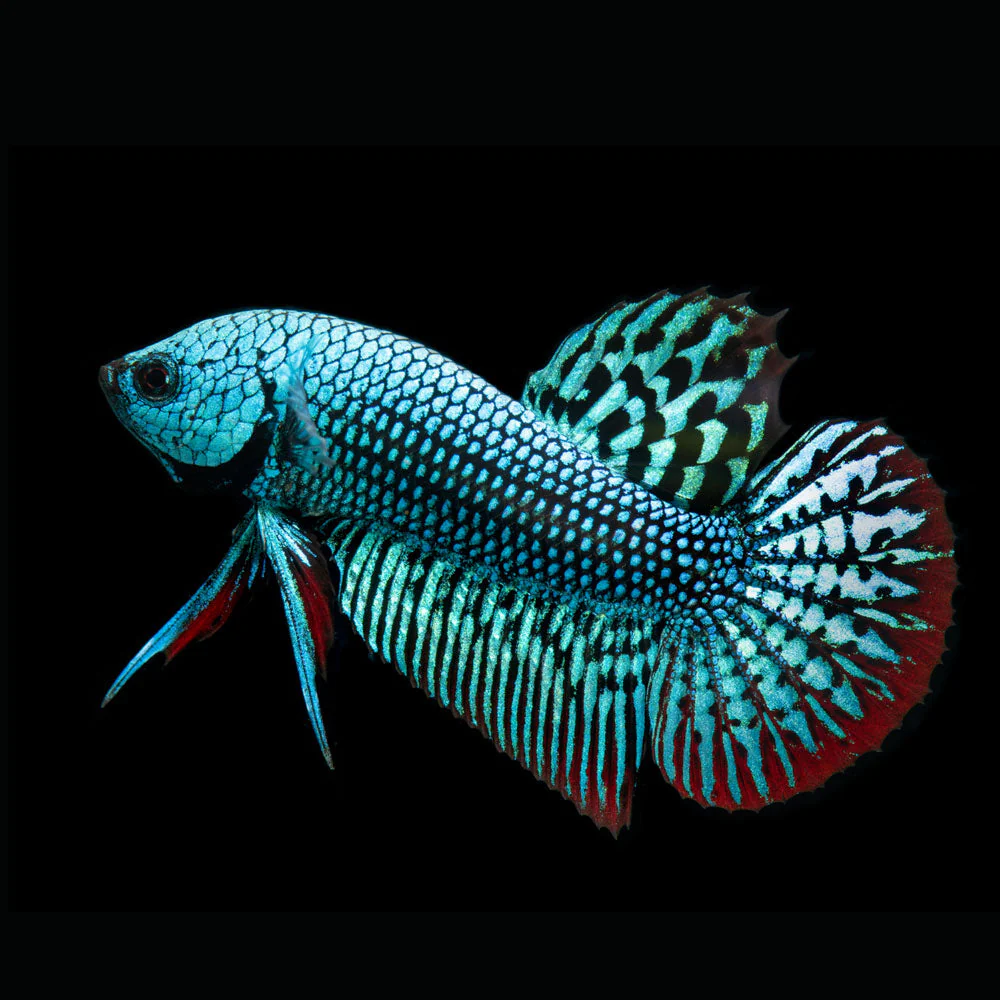
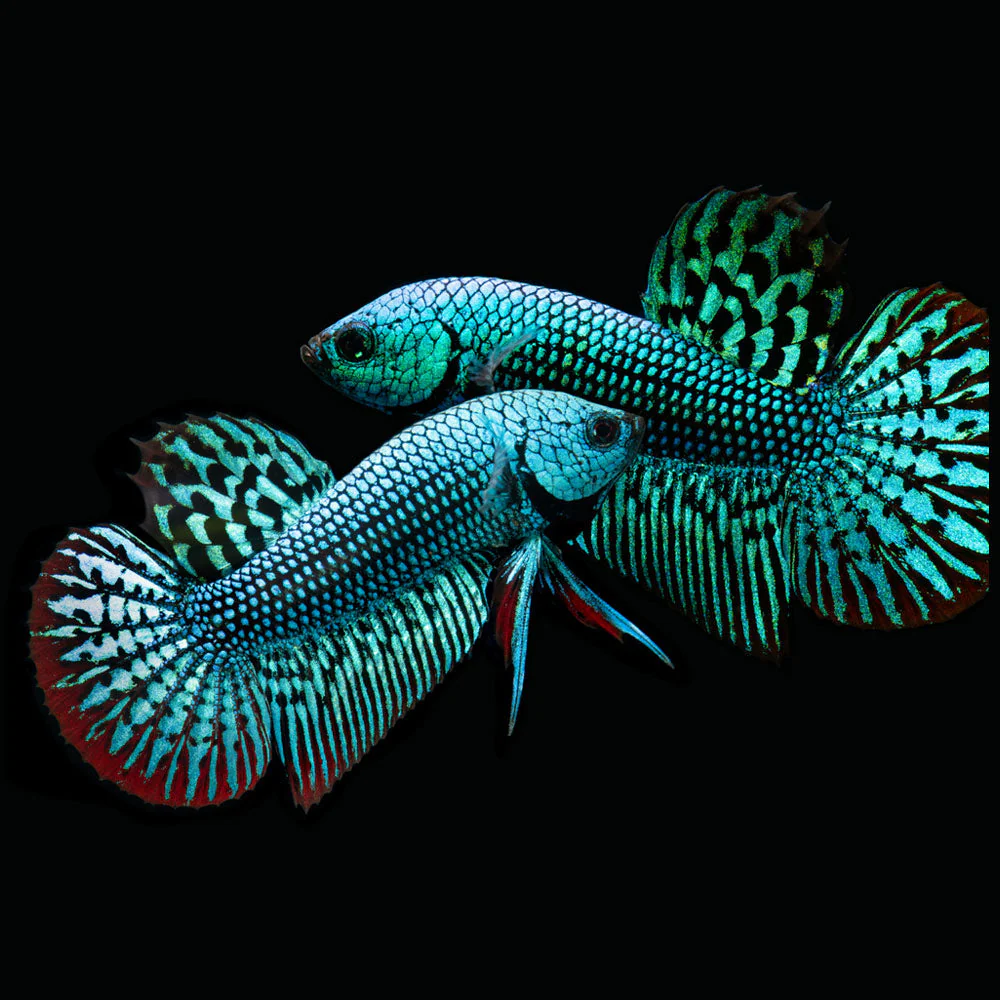
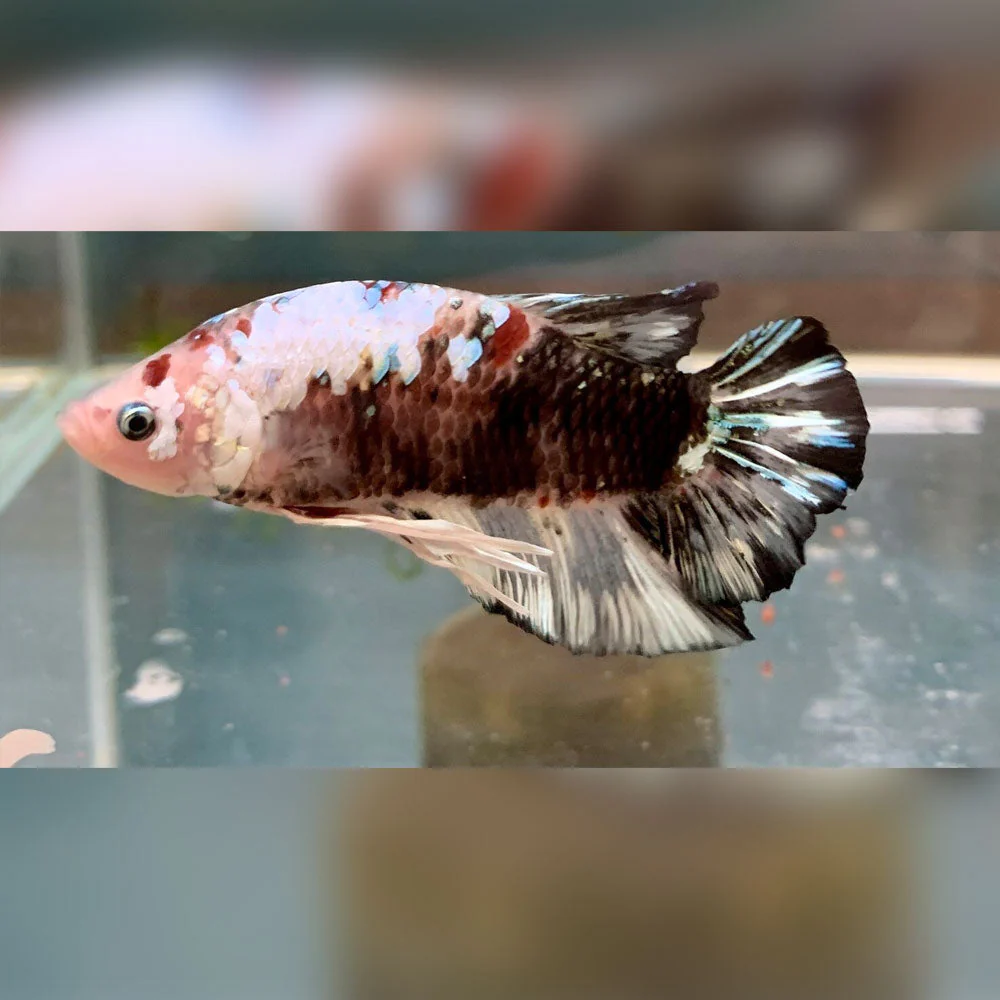
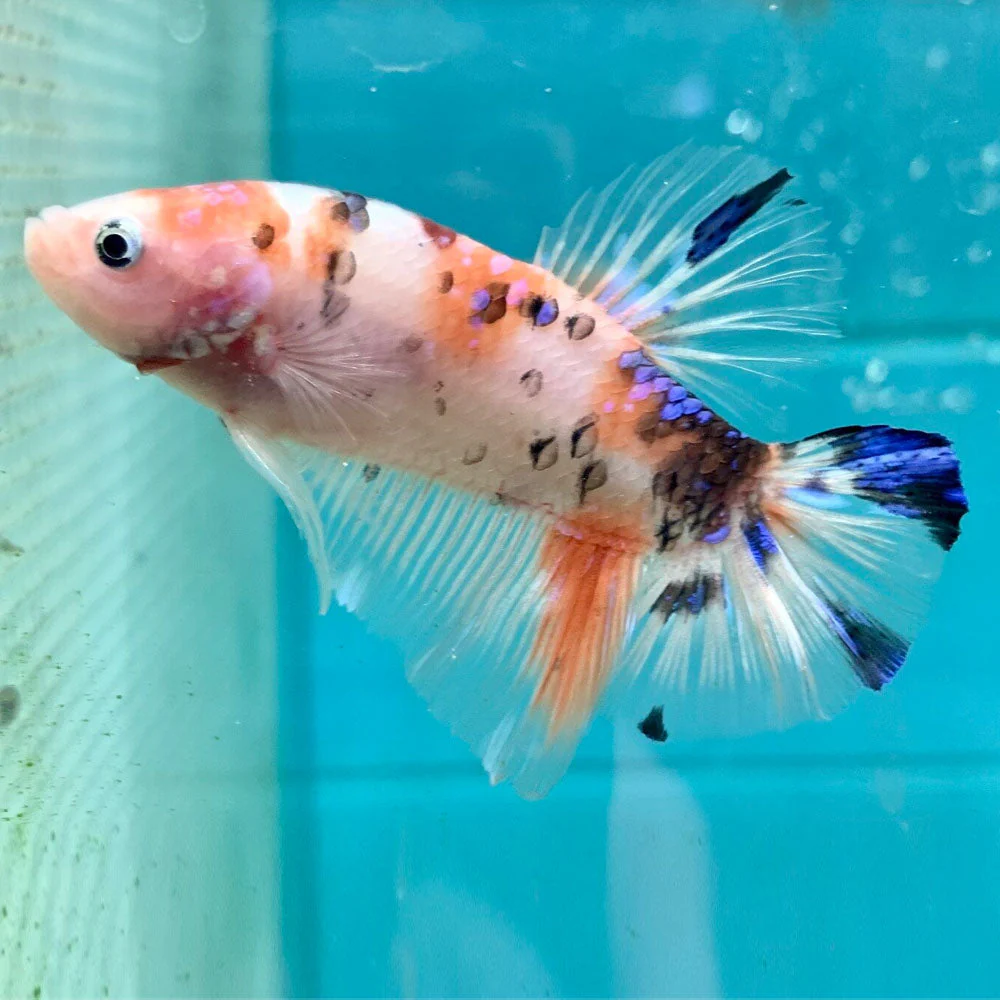
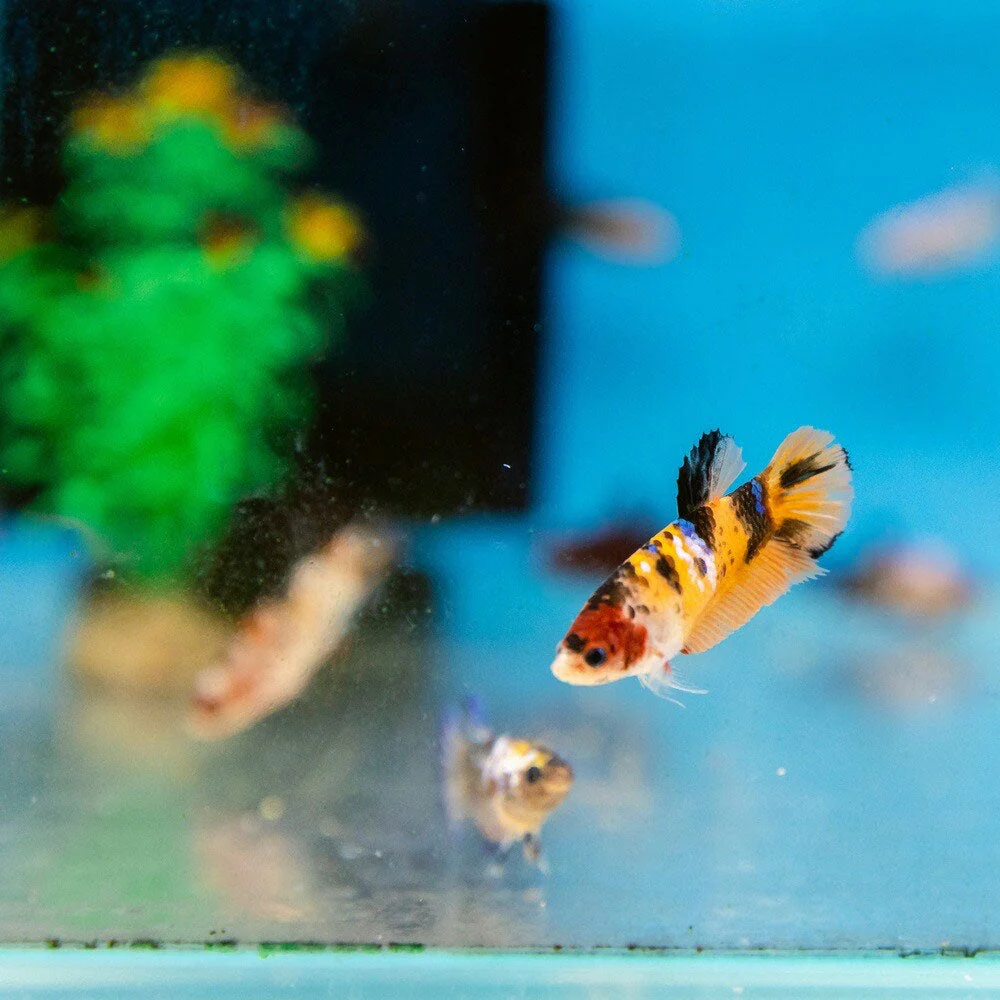
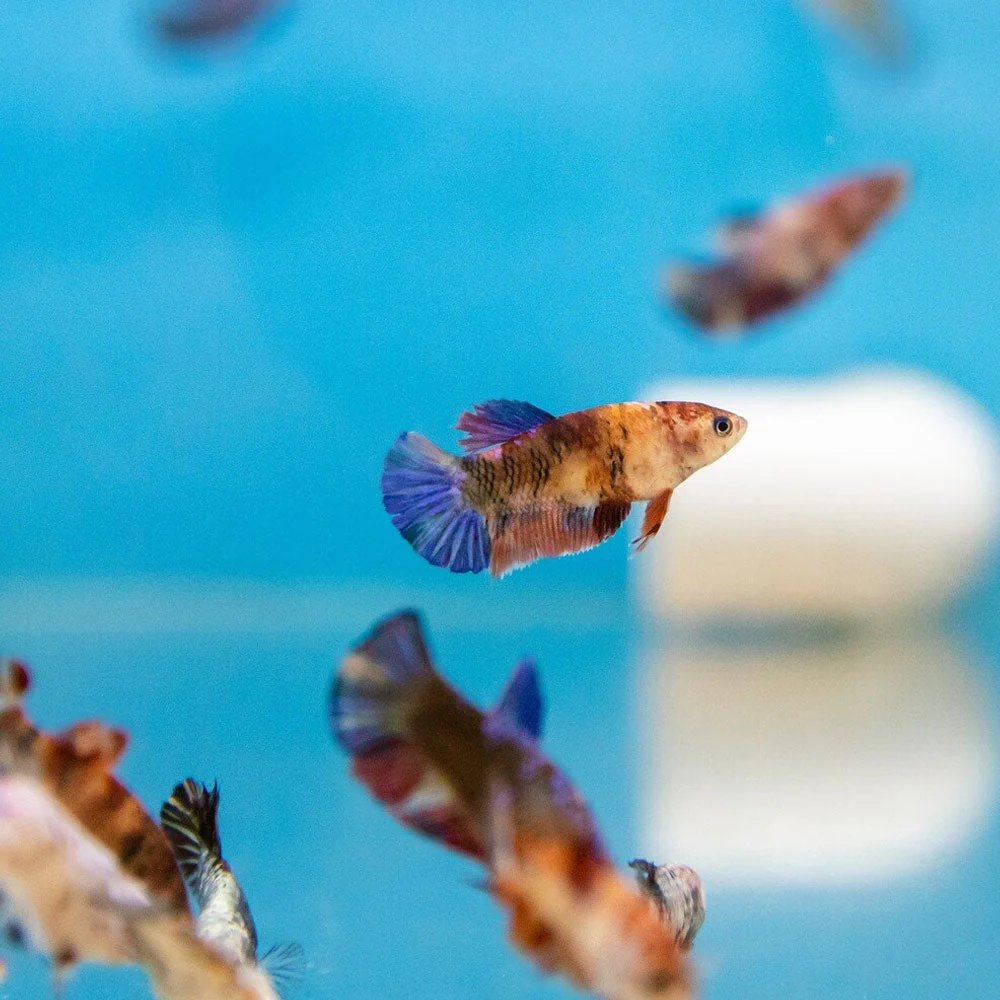
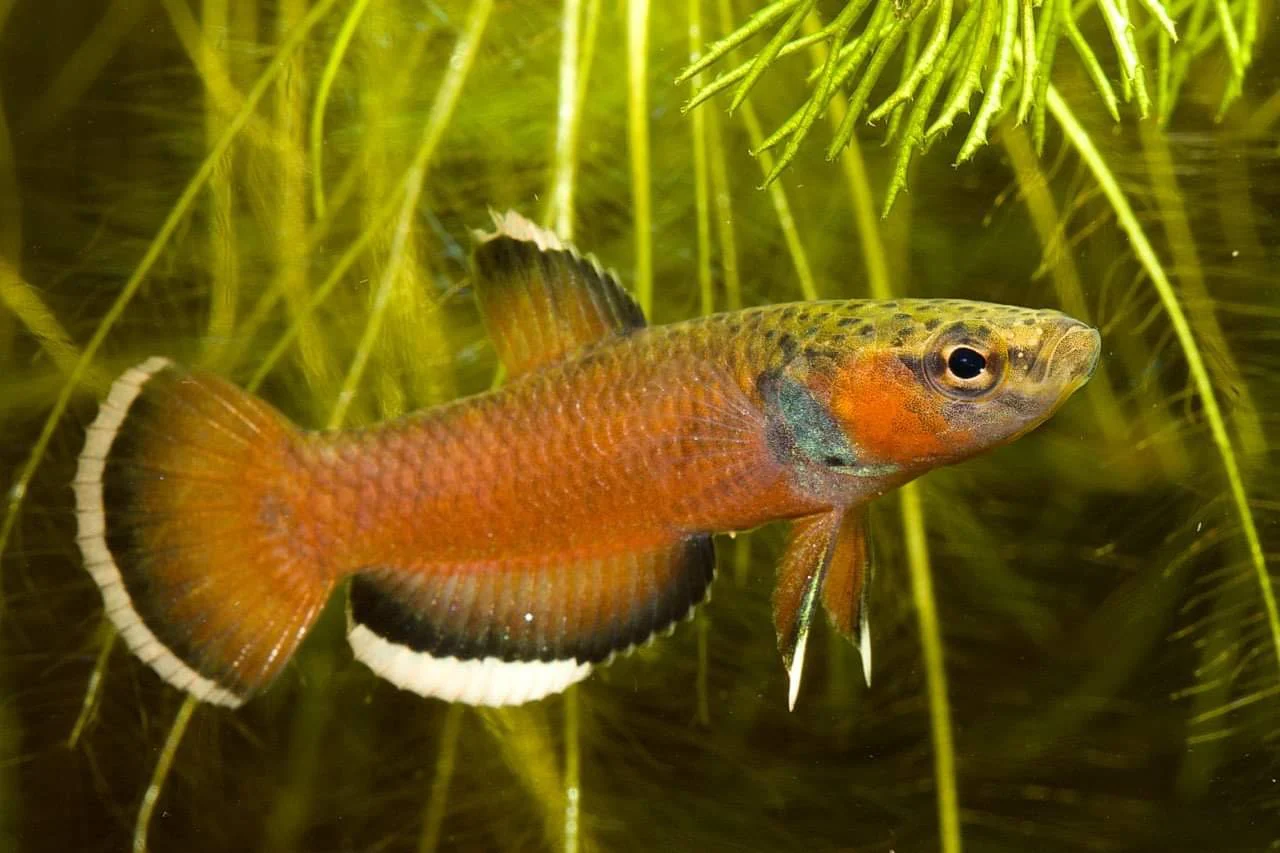
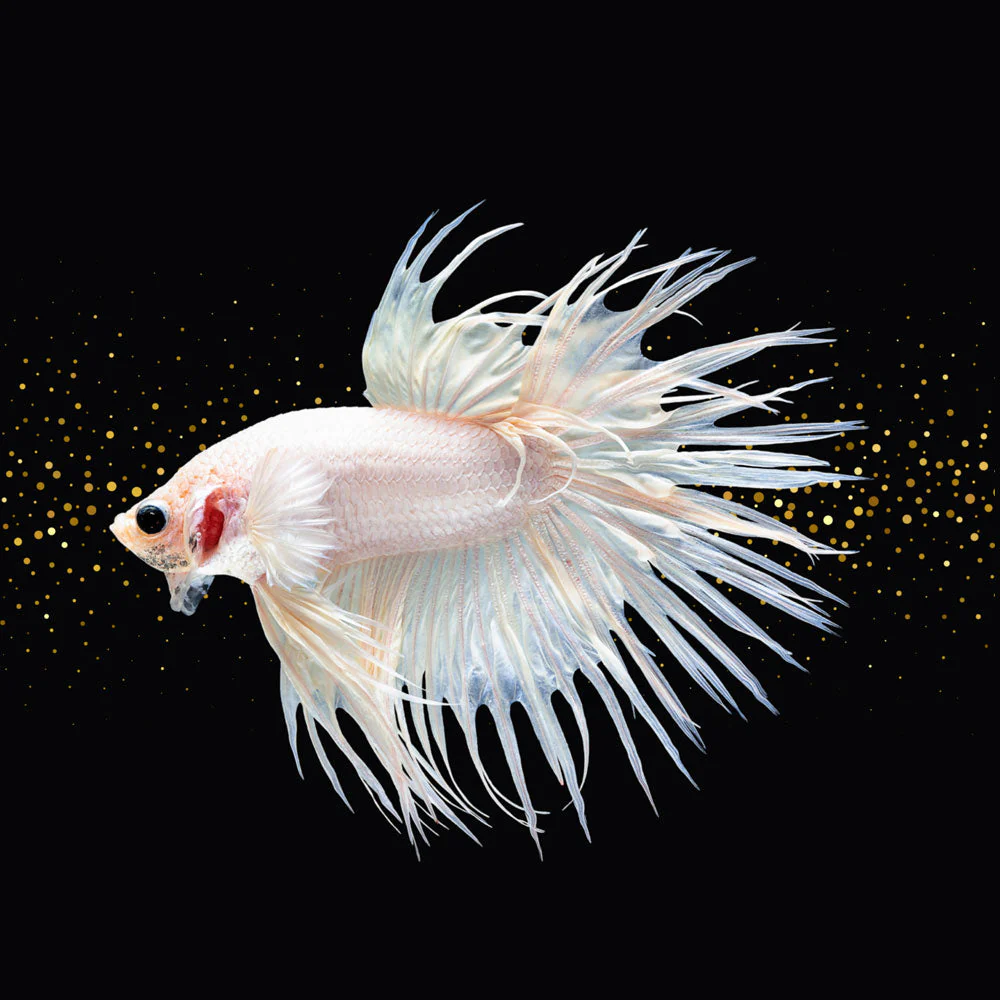
Crowntail Betta (Betta splendens) is a stunning and popular variant of the Siamese fighting fish, known for its spiky, crown-like tail fins.
Species Overview
- Scientific Name: Betta splendens
- Common Name: Crowntail Betta
- Size: 2.5–3 inches (body length; fins can extend further)
- Lifespan: 2–5 years with proper care
- Temperament: Aggressive toward own kind; peaceful with compatible species
Tank Setup
- Minimum Tank Size: 5 gallons (10 gallons preferred)
- Substrate: Fine sand or smooth gravel
- Decor: Smooth ornaments, caves, and floating plants; avoid sharp edges
- Filtration: Gentle flow; sponge or hang-on-back filter
- Lighting: Dim to moderate; floating plants help diffuse light
- Aeration: Not required due to labyrinth organ, but good oxygenation is beneficial [
Water Parameters
- Temperature: 76–80°F (24–27°C)
- pH: 6.4–7.0 (neutral preferred)
- Hardness: 2–5 dKH
- Ammonia/Nitrite: 0 ppm
- Nitrate: <20 ppm
- Tip: Use Indian almond leaves for natural tannins and stress reduction
Diet
- Type: Carnivorous
-
Staples:
- Live/frozen: brine shrimp, bloodworms, mosquito larvae
- High-quality Betta pellets
- Feeding Frequency: 2–3 small meals daily; remove uneaten food after 2 minutes
- Tip: Fasting once a week helps prevent constipation
Breeding
- Method: Bubble nest builder
-
Setup:
- Separate breeding tank with warm, shallow water
- Male builds bubble nest; female lays eggs
- Male guards and tends to eggs until hatching (~2–3 days)
-
Fry Care:
- Feed infusoria or liquid fry food, then baby brine shrimp
- Keep water clean and warm
Tankmates
-
Compatible With:
- Peaceful, non-fin-nipping fish (e.g., Corydoras, small rasboras)
- Snails and shrimp (with caution)
-
Avoid:
- Other male Bettas
- Fast or aggressive fish
- Long-finned species (may trigger aggression)
Read our blog post on betta care.
$7.63
Original: $21.81
-65%Crowntail Betta (Betta splendens)—
$21.81
$7.63Product Information
Product Information
Shipping & Returns
Shipping & Returns
Description
Crowntail Betta (Betta splendens) is a stunning and popular variant of the Siamese fighting fish, known for its spiky, crown-like tail fins.
Species Overview
- Scientific Name: Betta splendens
- Common Name: Crowntail Betta
- Size: 2.5–3 inches (body length; fins can extend further)
- Lifespan: 2–5 years with proper care
- Temperament: Aggressive toward own kind; peaceful with compatible species
Tank Setup
- Minimum Tank Size: 5 gallons (10 gallons preferred)
- Substrate: Fine sand or smooth gravel
- Decor: Smooth ornaments, caves, and floating plants; avoid sharp edges
- Filtration: Gentle flow; sponge or hang-on-back filter
- Lighting: Dim to moderate; floating plants help diffuse light
- Aeration: Not required due to labyrinth organ, but good oxygenation is beneficial [
Water Parameters
- Temperature: 76–80°F (24–27°C)
- pH: 6.4–7.0 (neutral preferred)
- Hardness: 2–5 dKH
- Ammonia/Nitrite: 0 ppm
- Nitrate: <20 ppm
- Tip: Use Indian almond leaves for natural tannins and stress reduction
Diet
- Type: Carnivorous
-
Staples:
- Live/frozen: brine shrimp, bloodworms, mosquito larvae
- High-quality Betta pellets
- Feeding Frequency: 2–3 small meals daily; remove uneaten food after 2 minutes
- Tip: Fasting once a week helps prevent constipation
Breeding
- Method: Bubble nest builder
-
Setup:
- Separate breeding tank with warm, shallow water
- Male builds bubble nest; female lays eggs
- Male guards and tends to eggs until hatching (~2–3 days)
-
Fry Care:
- Feed infusoria or liquid fry food, then baby brine shrimp
- Keep water clean and warm
Tankmates
-
Compatible With:
- Peaceful, non-fin-nipping fish (e.g., Corydoras, small rasboras)
- Snails and shrimp (with caution)
-
Avoid:
- Other male Bettas
- Fast or aggressive fish
- Long-finned species (may trigger aggression)
Read our blog post on betta care.