🎉 Up to 70% Off Selected ItemsShop Sale
1 / 4
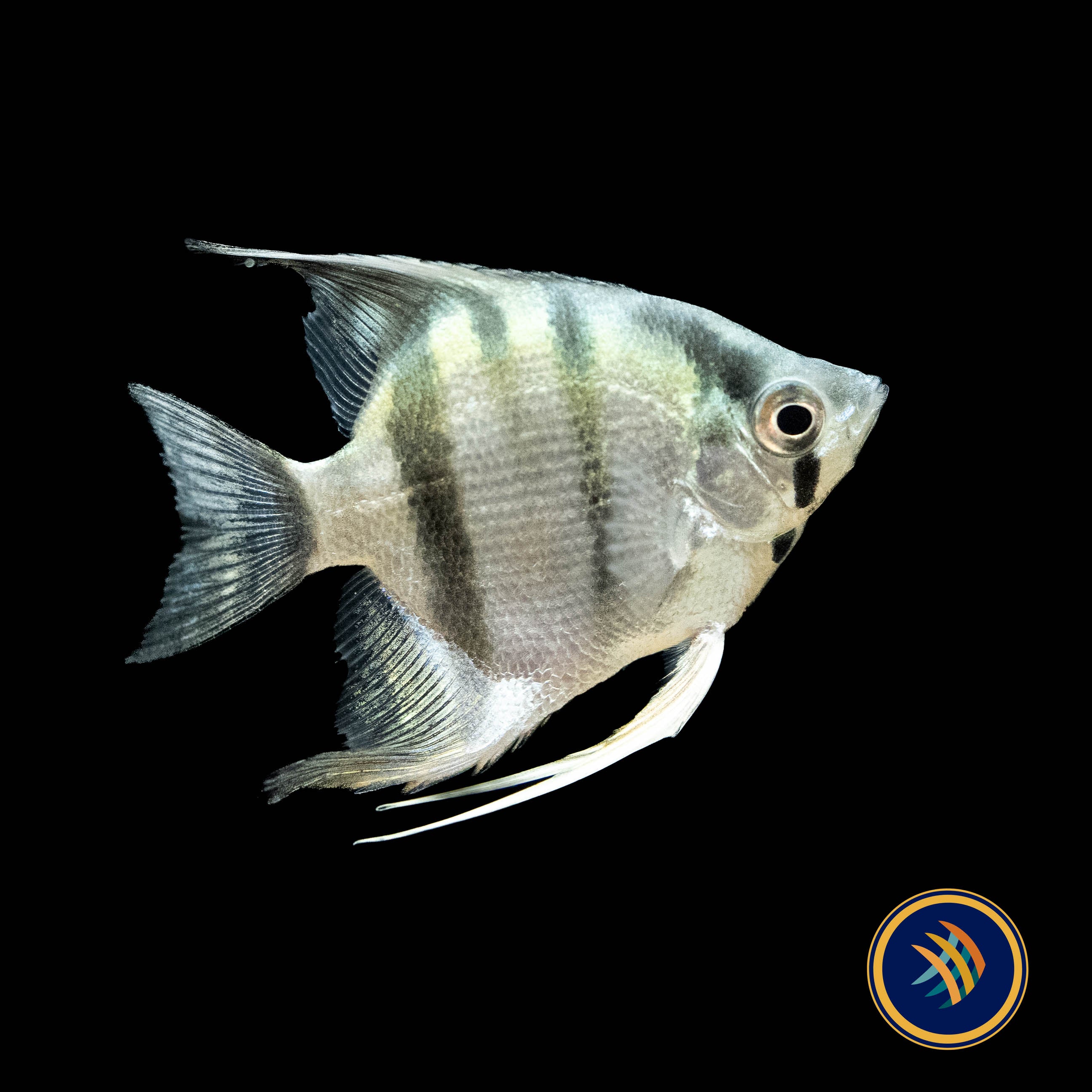
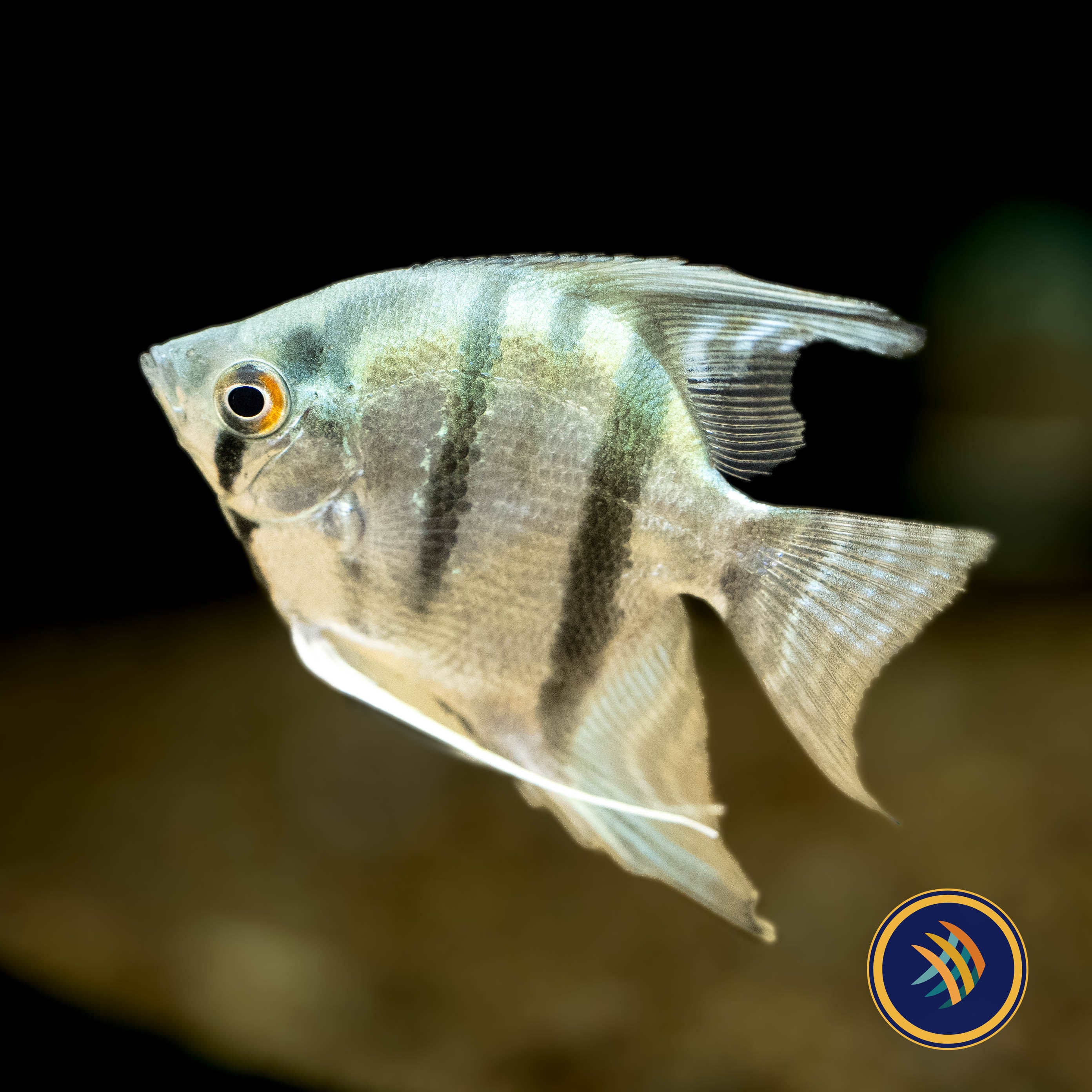
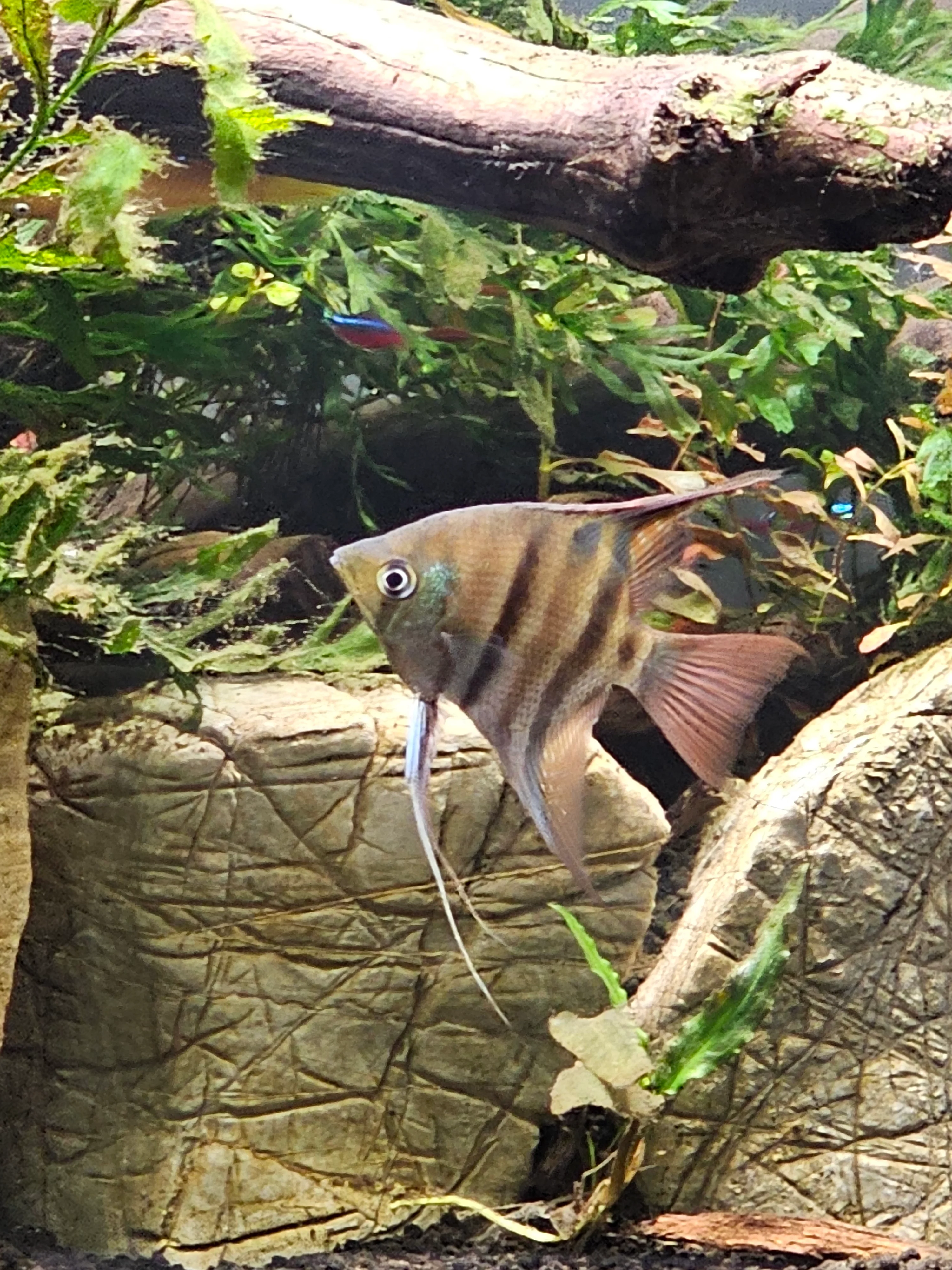
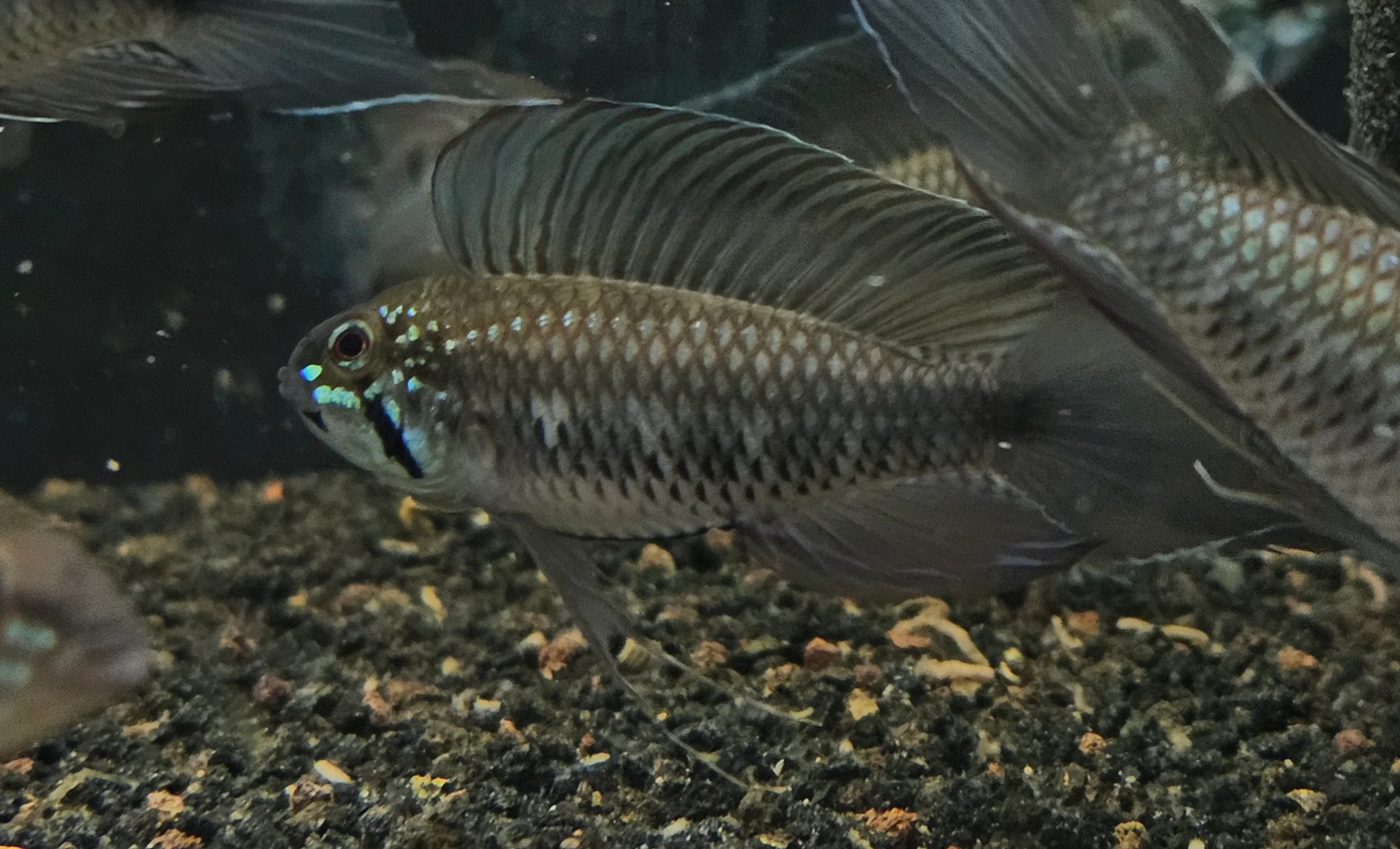
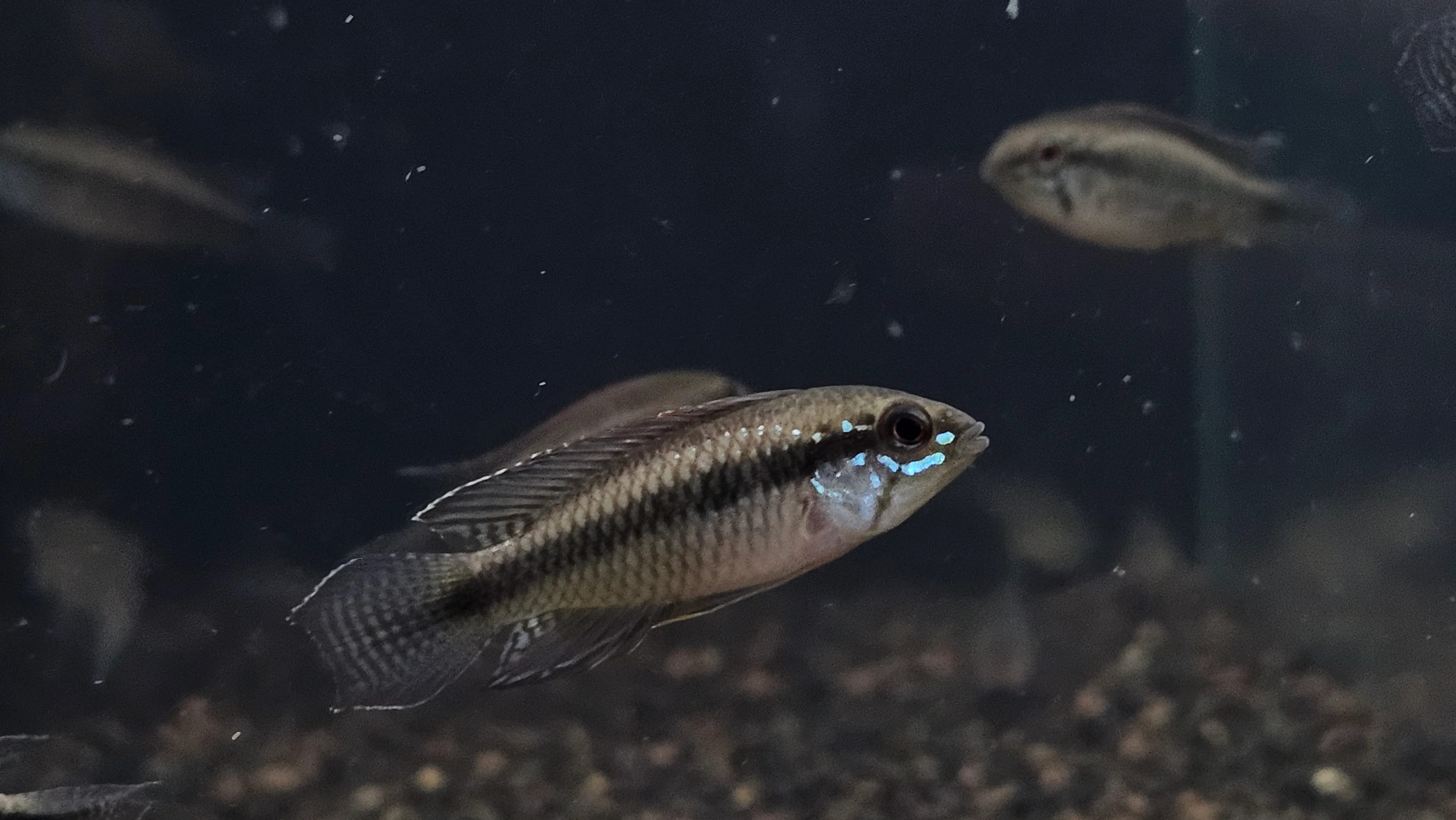
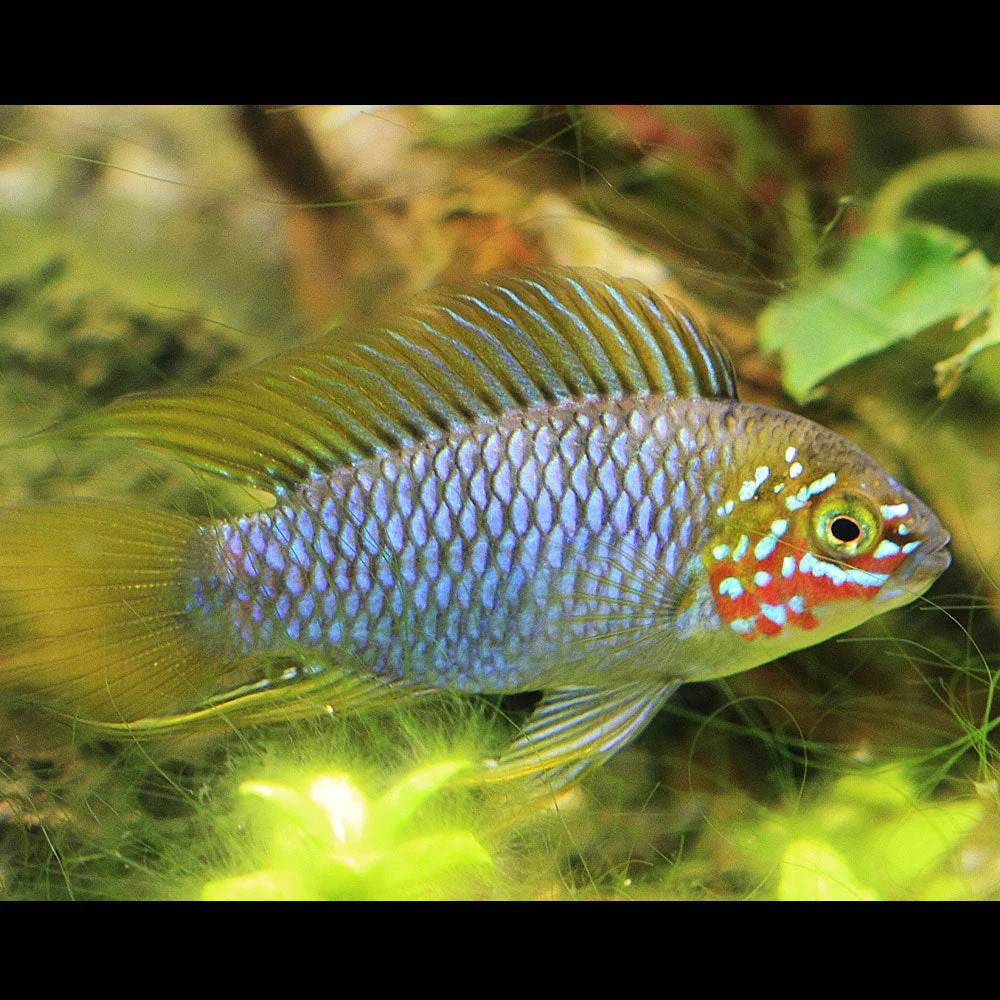
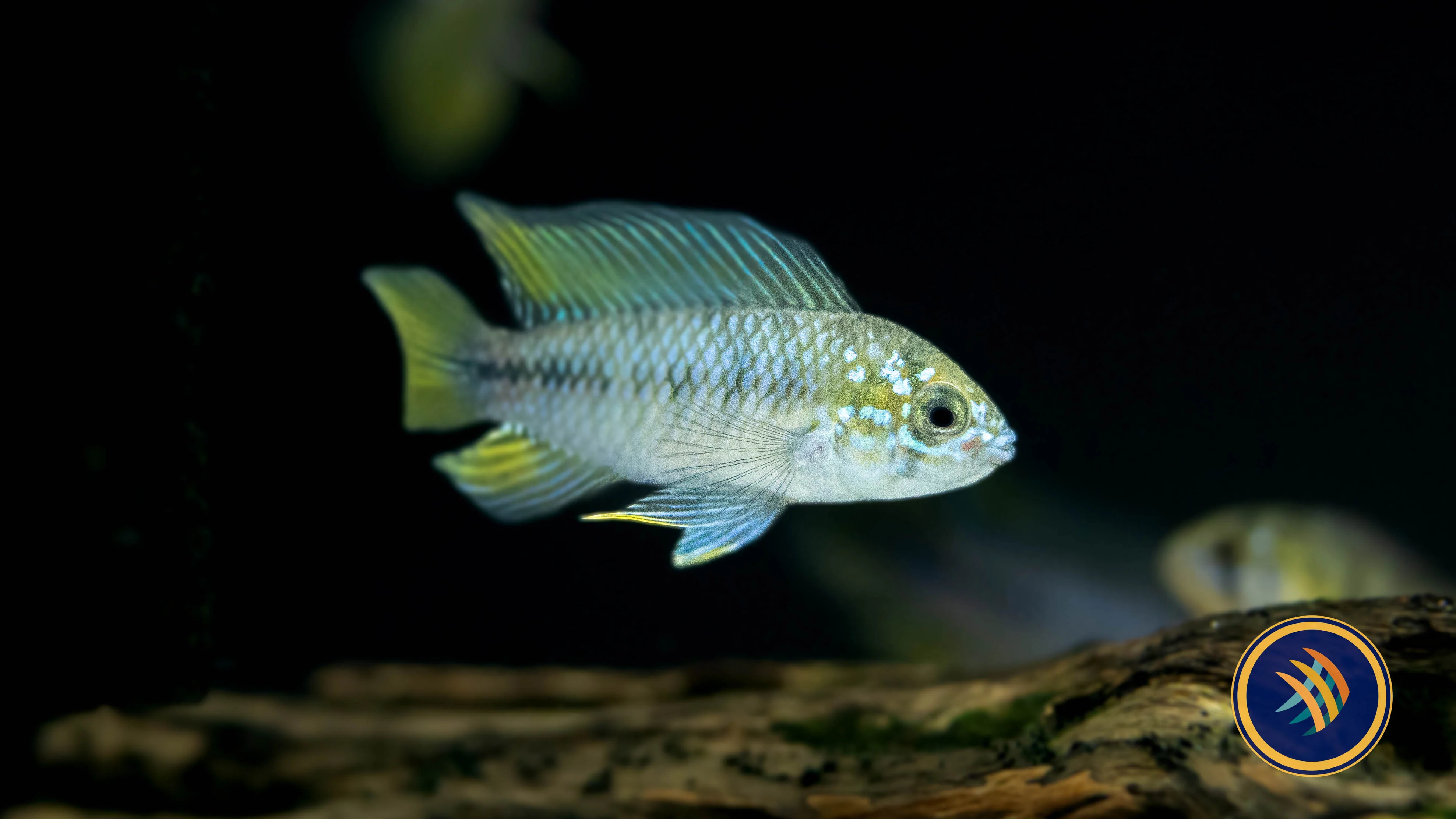
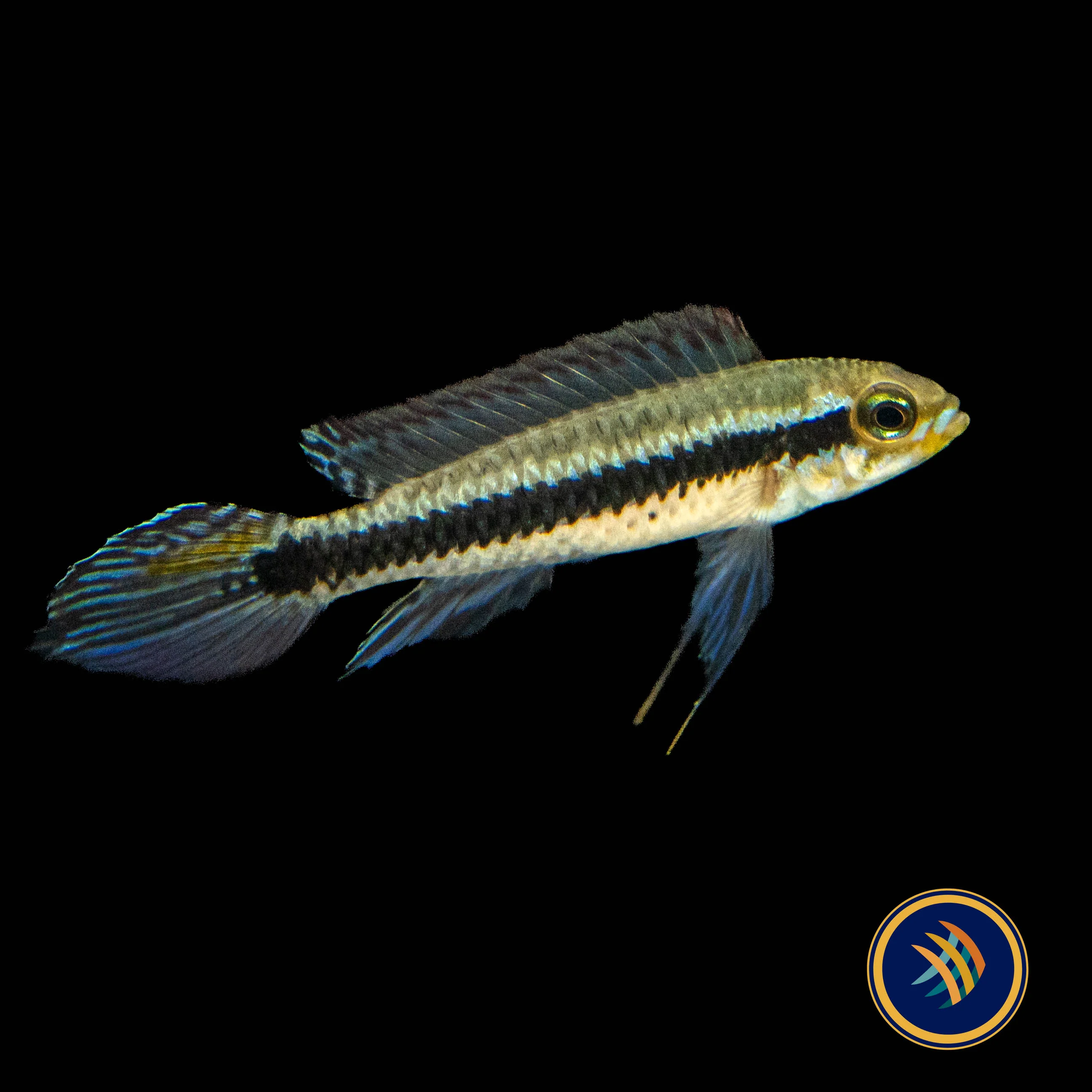
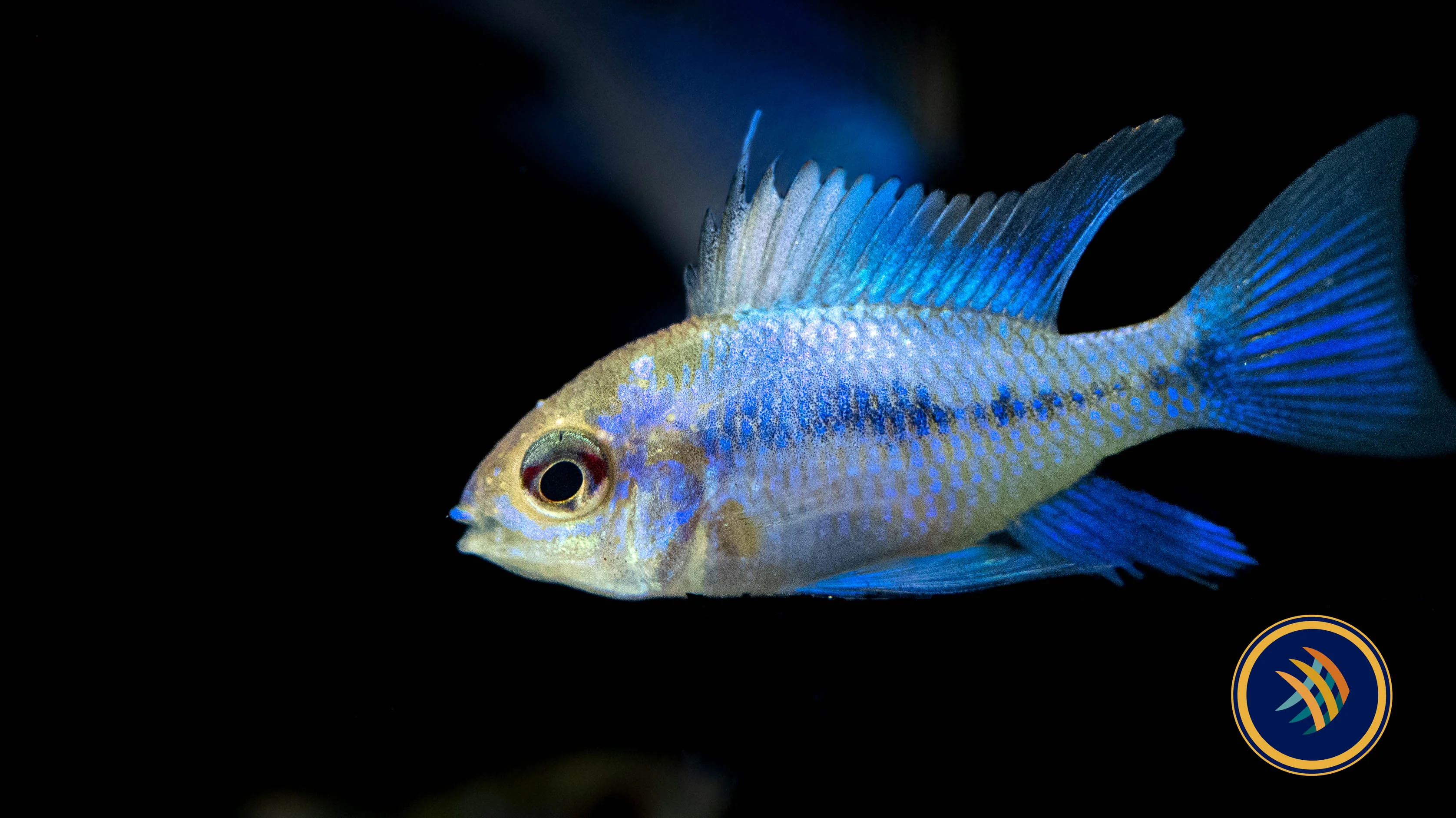
Electric Blue Ram (mikrogeophagus ramirezi) 3.5cm
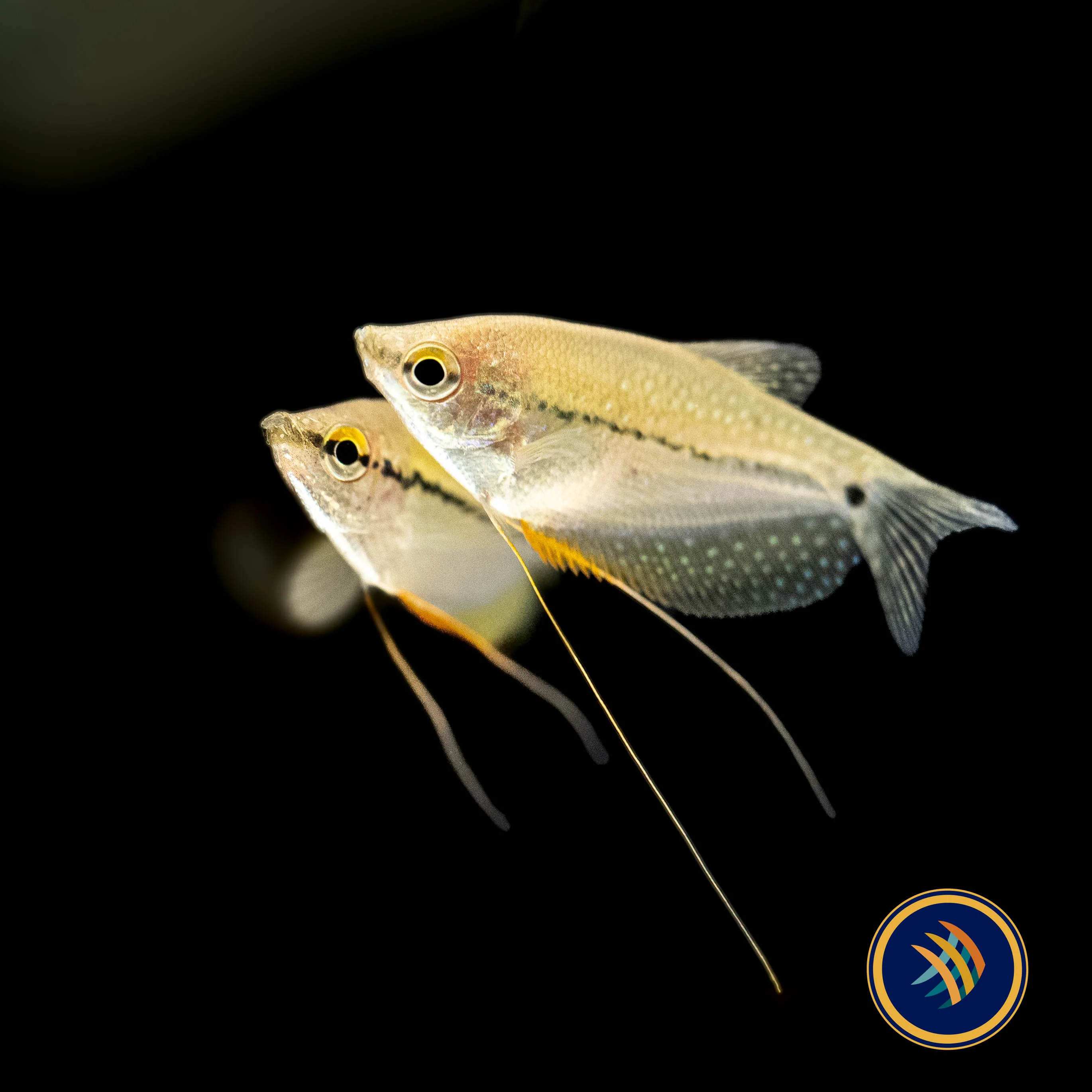
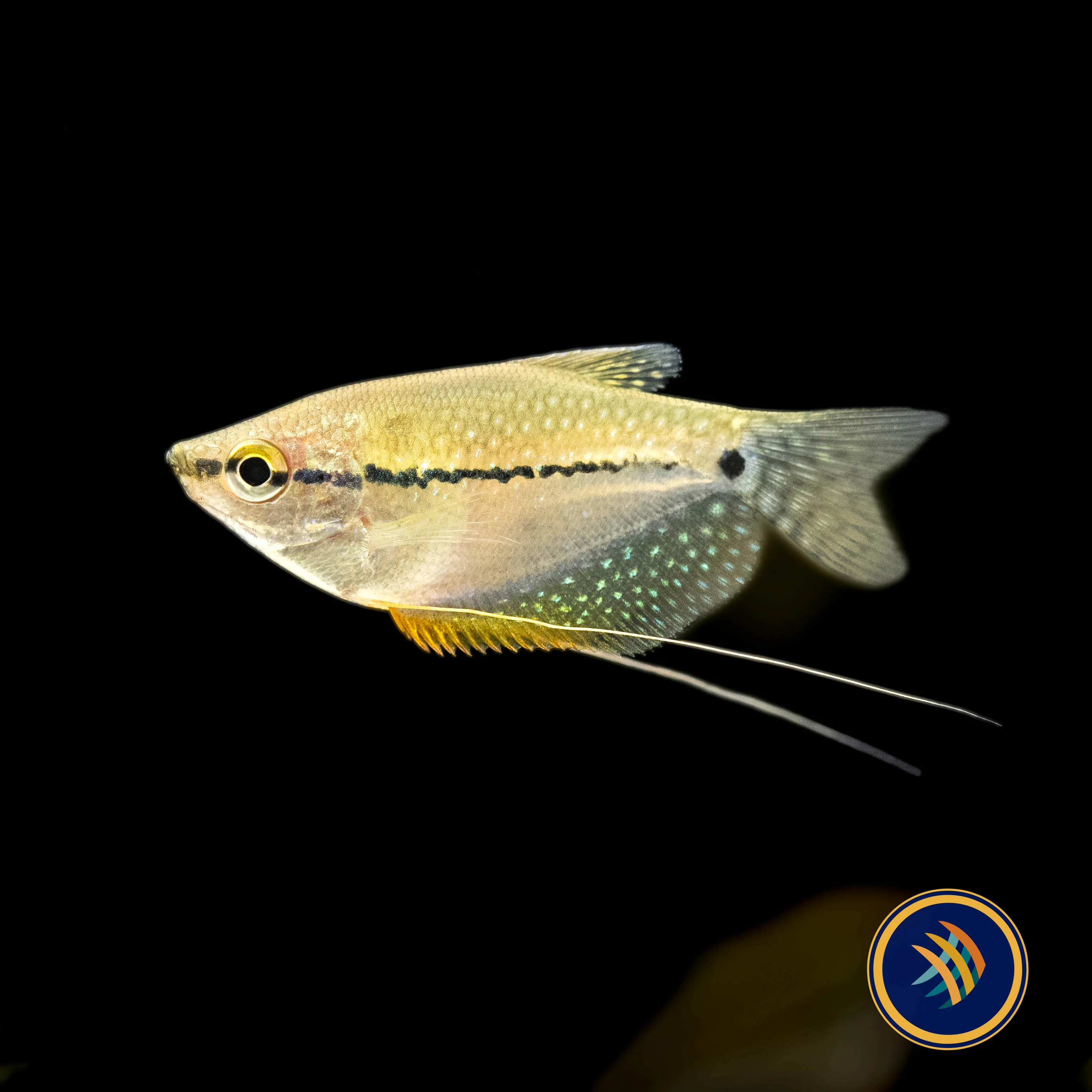
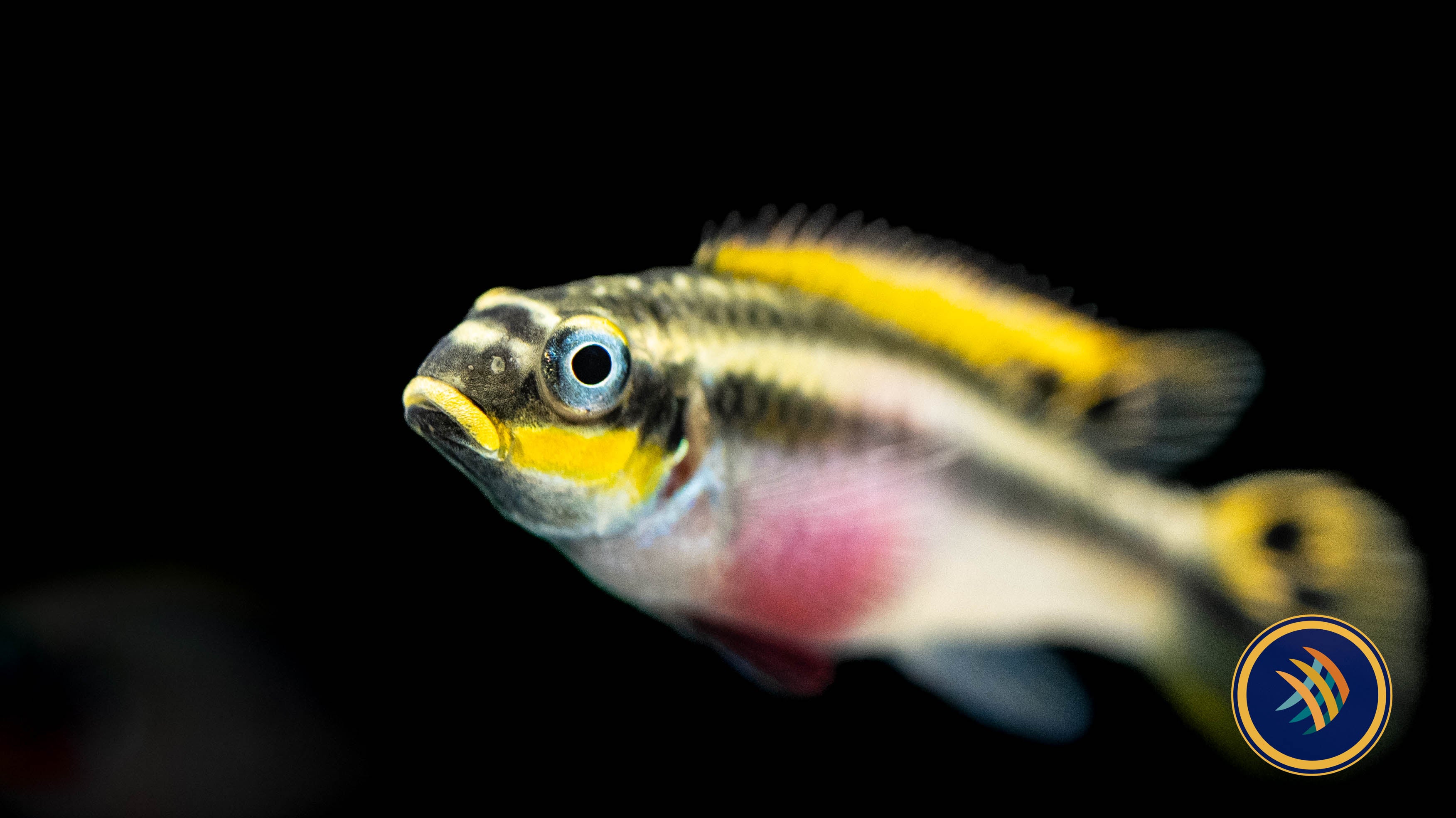
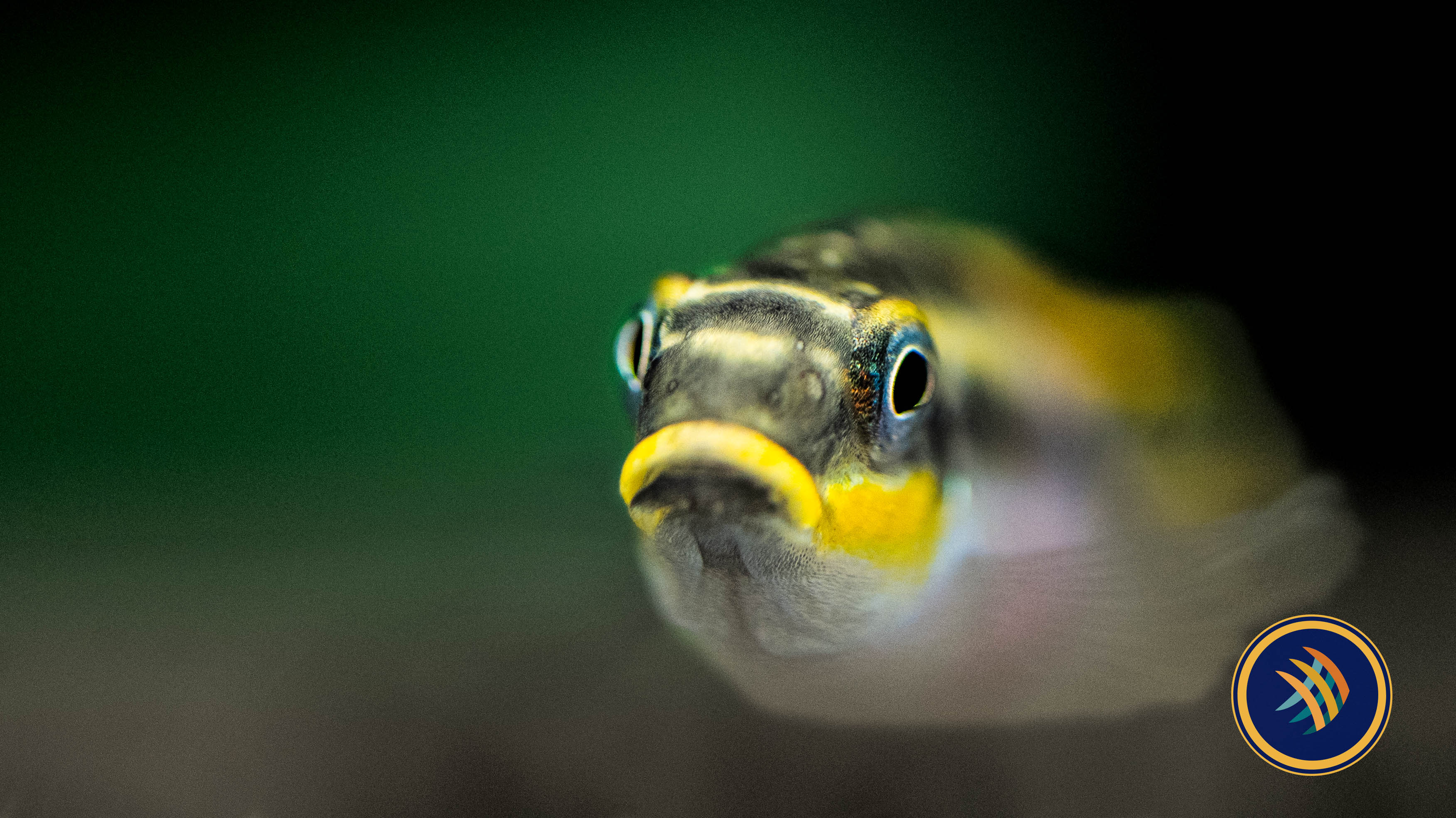
Electric Blue Ram (Mikrogeophagus ramirezi) is a stunning, selectively bred variant of the Ram Cichlid, prized for its vibrant coloration and peaceful temperament.
Species Overview
- Scientific Name: Mikrogeophagus ramirezi
- Common Names: Electric Blue Ram, Blue Ram Cichlid, Butterfly Cichlid
- Origin: Captive-bred; wild ancestors from the Orinoco River Basin in Colombia and Venezuela
- Size: 2–3 inches (5–8 cm)
- Lifespan: 2–4 years
- Temperament: Peaceful but mildly territorial, especially during breeding
Appearance
- Color: Iridescent neon blue body with orange and yellow highlights
- Eyes: Bright red with a black dot or stripe
- Fins: Long, pointed dorsal and pelvic fins; males have longer fins and more vivid coloration
- Variants: Includes Balloon and Long-Fin types
Aquarium Setup
- Tank Size: Minimum 20 gallons for a pair; larger tanks (30–40 gal) recommended for multiple individuals
- Substrate: Fine sand preferred for digging behavior
- Decor: Dense vegetation, driftwood, rocks, caves, and floating plants
- Lighting: Moderate; subdued lighting enhances coloration
- Filtration: Gentle flow; peat filtration and Indian almond leaves help replicate natural conditions
Water Parameters
- Temperature: 75–85°F (24–30°C)
- pH: 5.0–7.5 (slightly acidic preferred)
- Hardness: 5–12 GH
- TDS: 18–179 ppm
- Note: Sensitive to poor water quality—requires mature, stable tanks
Diet
- Type: Omnivorous
-
Foods:
- High-quality flakes and pellets
- Live/frozen: Brine shrimp, bloodworms, daphnia, mosquito larvae
- Occasional vegetables and spirulina
- Feeding: Small portions multiple times daily to maintain water quality
Behavior & Compatibility
- Social Structure: Best kept in pairs or small groups
-
Tank Mates:
- Peaceful, slow-moving species like Corydoras, Tetras, Dwarf Gouramis
- Avoid other dwarf cichlids to prevent aggression
- Territoriality: Increases during breeding; provide hiding spots
Breeding
- Method: Egg-layer
- Spawning: On flat stones or pits; up to 300 eggs
- Parental Care: Both parents guard and fan eggs; fry become free-swimming in ~5 days
- Fry Diet: Infusoria, crushed flakes, then baby brine shrimp
$5.60
Original: $15.99
-65%Electric Blue Ram (mikrogeophagus ramirezi) 3.5cm—
$15.99
$5.60Product Information
Product Information
Shipping & Returns
Shipping & Returns
Description
Electric Blue Ram (Mikrogeophagus ramirezi) is a stunning, selectively bred variant of the Ram Cichlid, prized for its vibrant coloration and peaceful temperament.
Species Overview
- Scientific Name: Mikrogeophagus ramirezi
- Common Names: Electric Blue Ram, Blue Ram Cichlid, Butterfly Cichlid
- Origin: Captive-bred; wild ancestors from the Orinoco River Basin in Colombia and Venezuela
- Size: 2–3 inches (5–8 cm)
- Lifespan: 2–4 years
- Temperament: Peaceful but mildly territorial, especially during breeding
Appearance
- Color: Iridescent neon blue body with orange and yellow highlights
- Eyes: Bright red with a black dot or stripe
- Fins: Long, pointed dorsal and pelvic fins; males have longer fins and more vivid coloration
- Variants: Includes Balloon and Long-Fin types
Aquarium Setup
- Tank Size: Minimum 20 gallons for a pair; larger tanks (30–40 gal) recommended for multiple individuals
- Substrate: Fine sand preferred for digging behavior
- Decor: Dense vegetation, driftwood, rocks, caves, and floating plants
- Lighting: Moderate; subdued lighting enhances coloration
- Filtration: Gentle flow; peat filtration and Indian almond leaves help replicate natural conditions
Water Parameters
- Temperature: 75–85°F (24–30°C)
- pH: 5.0–7.5 (slightly acidic preferred)
- Hardness: 5–12 GH
- TDS: 18–179 ppm
- Note: Sensitive to poor water quality—requires mature, stable tanks
Diet
- Type: Omnivorous
-
Foods:
- High-quality flakes and pellets
- Live/frozen: Brine shrimp, bloodworms, daphnia, mosquito larvae
- Occasional vegetables and spirulina
- Feeding: Small portions multiple times daily to maintain water quality
Behavior & Compatibility
- Social Structure: Best kept in pairs or small groups
-
Tank Mates:
- Peaceful, slow-moving species like Corydoras, Tetras, Dwarf Gouramis
- Avoid other dwarf cichlids to prevent aggression
- Territoriality: Increases during breeding; provide hiding spots
Breeding
- Method: Egg-layer
- Spawning: On flat stones or pits; up to 300 eggs
- Parental Care: Both parents guard and fan eggs; fry become free-swimming in ~5 days
- Fry Diet: Infusoria, crushed flakes, then baby brine shrimp