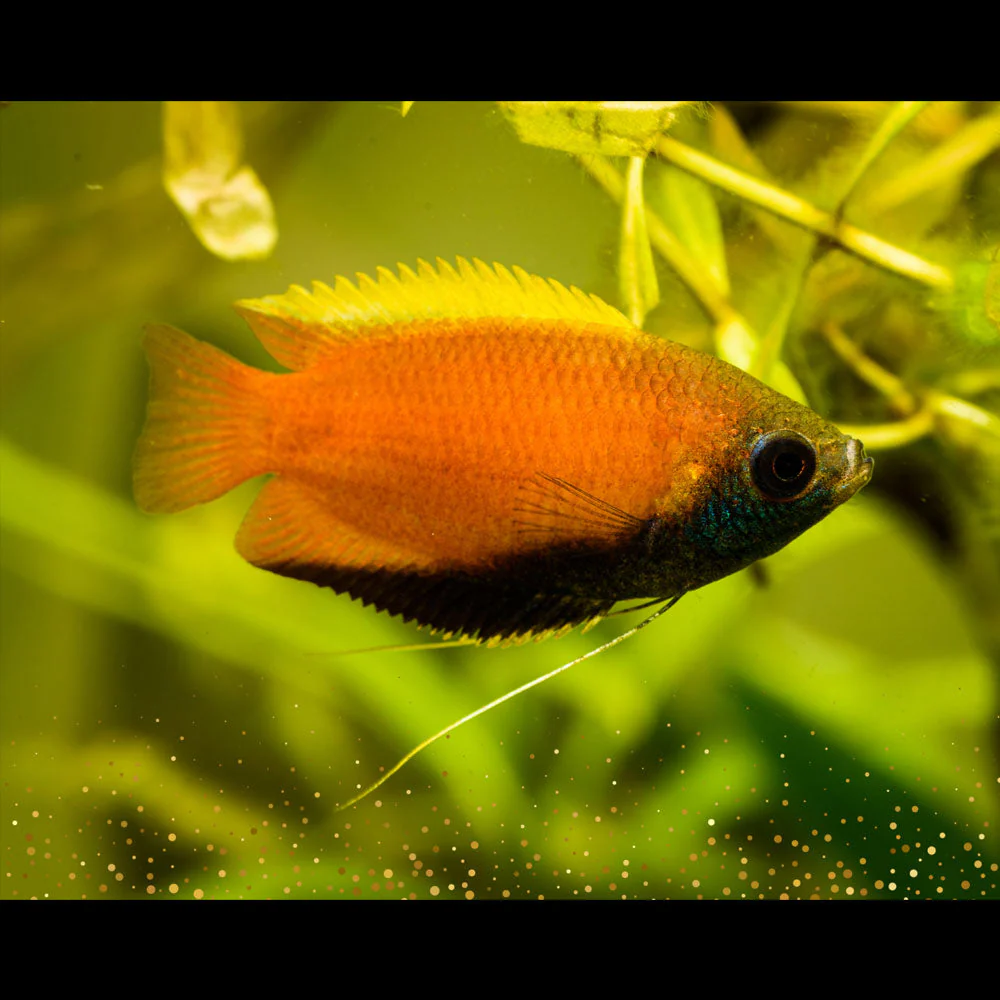
Green Sapphire Angel Fish (Pterophyllum scalare)
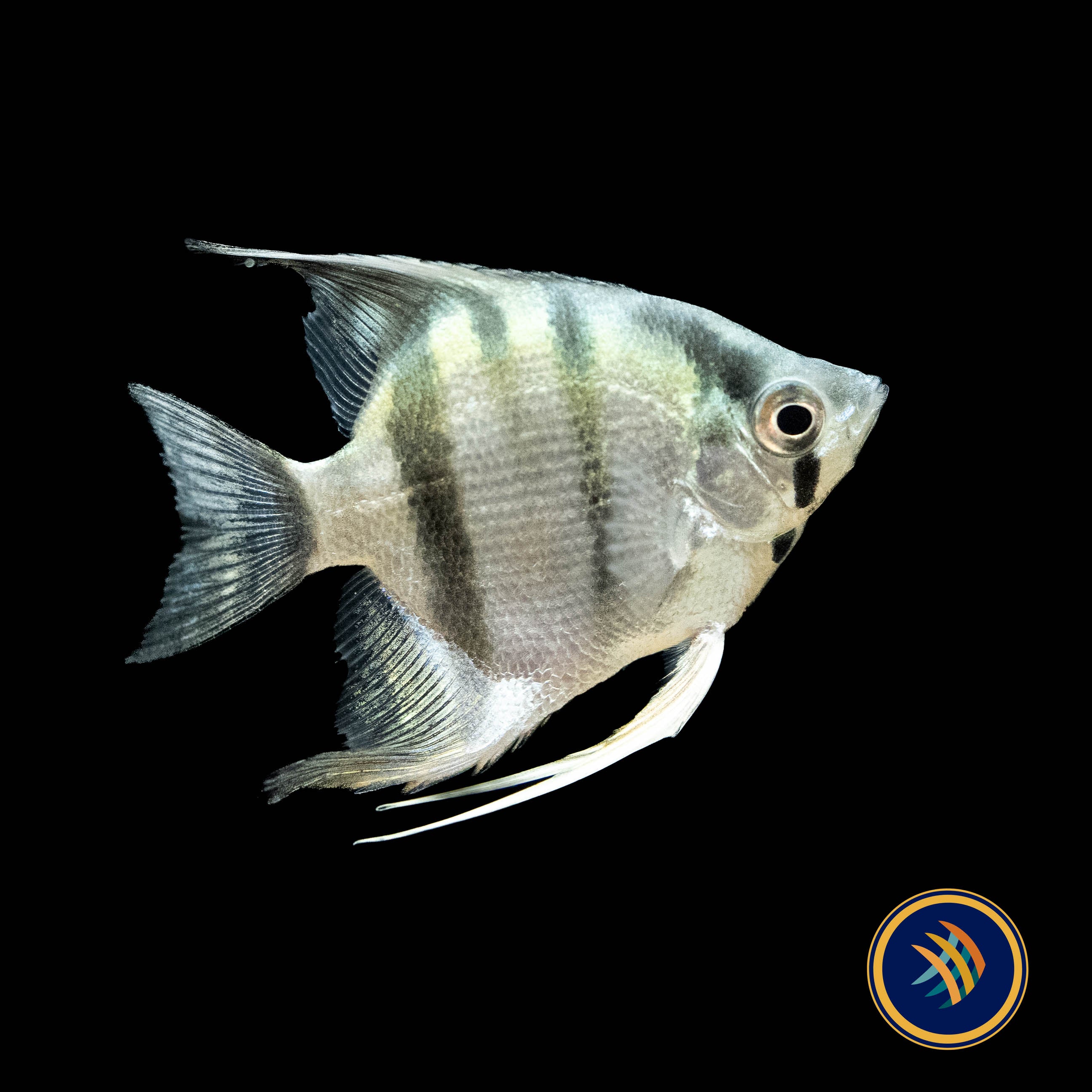
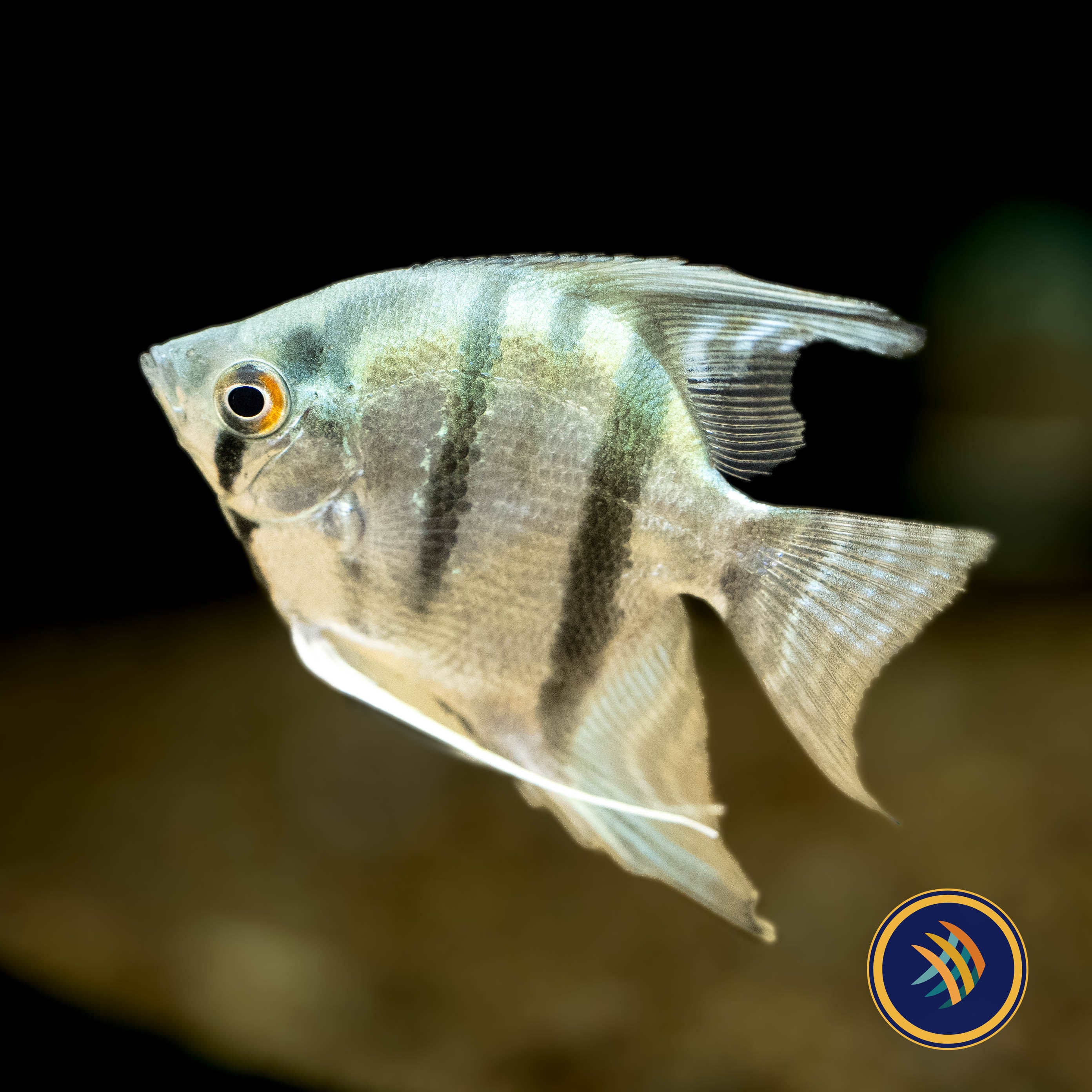
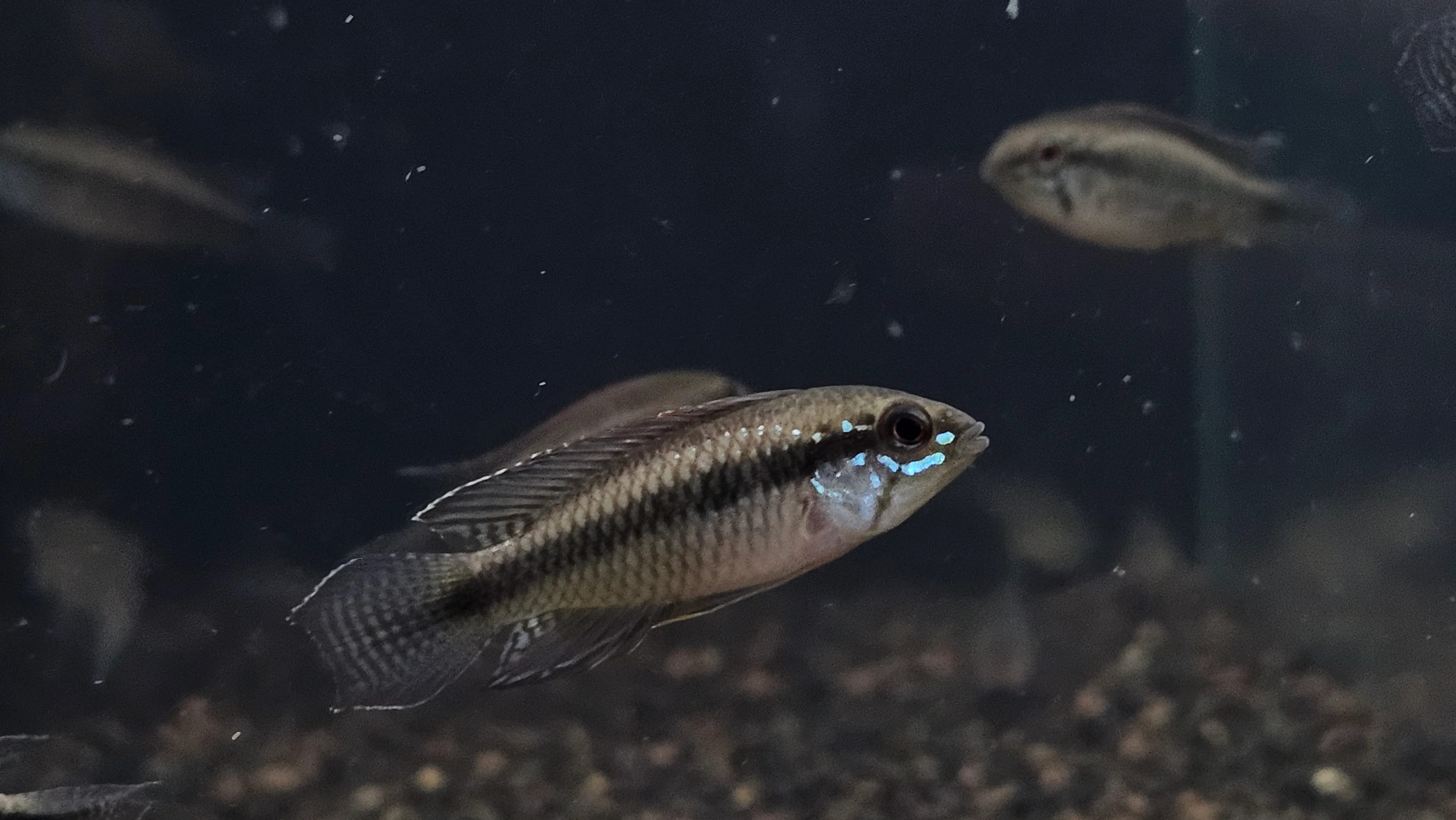
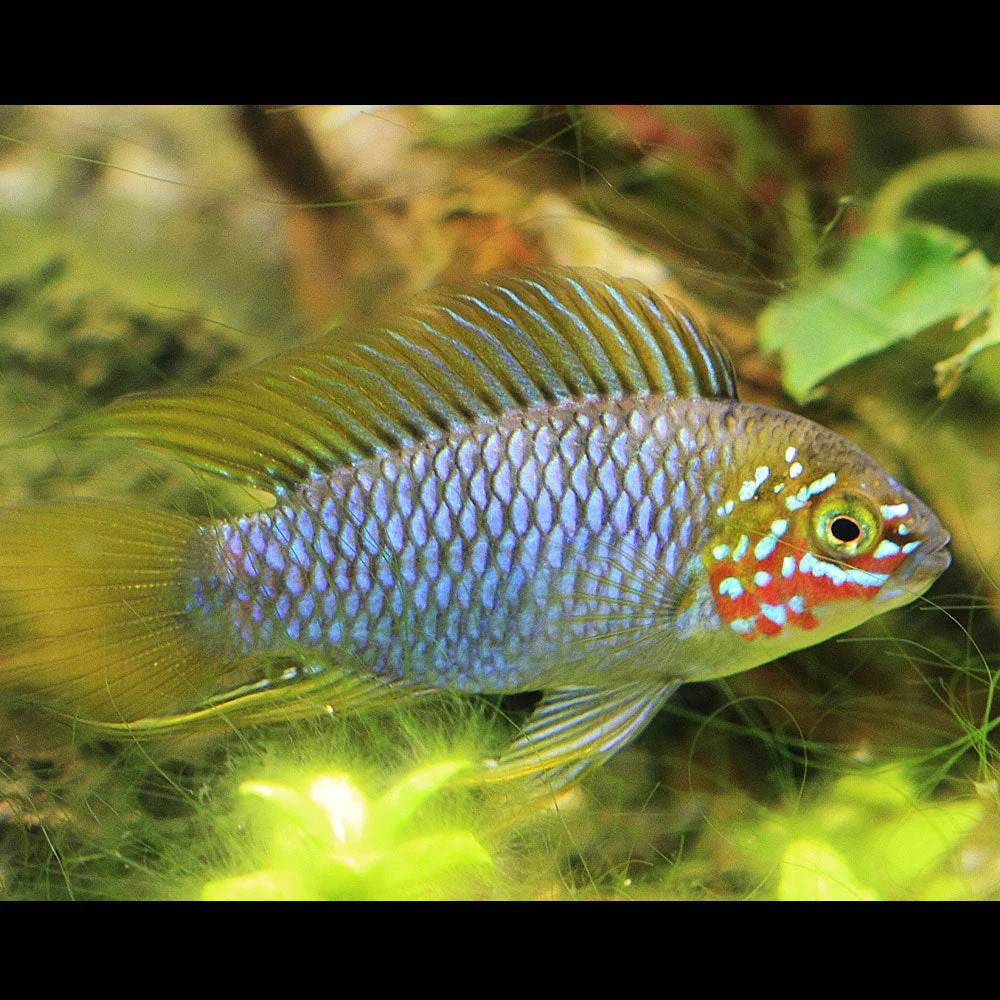
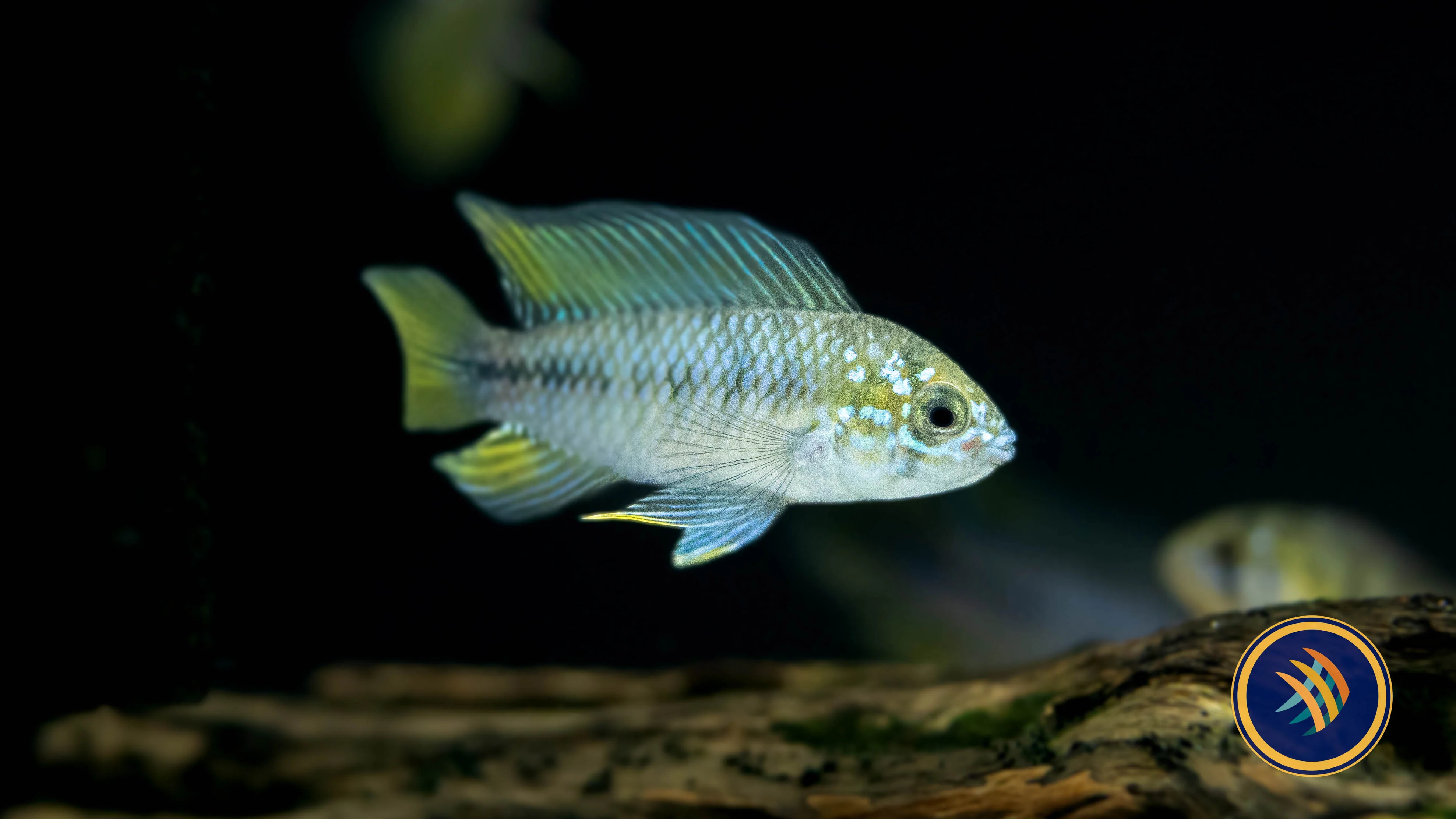
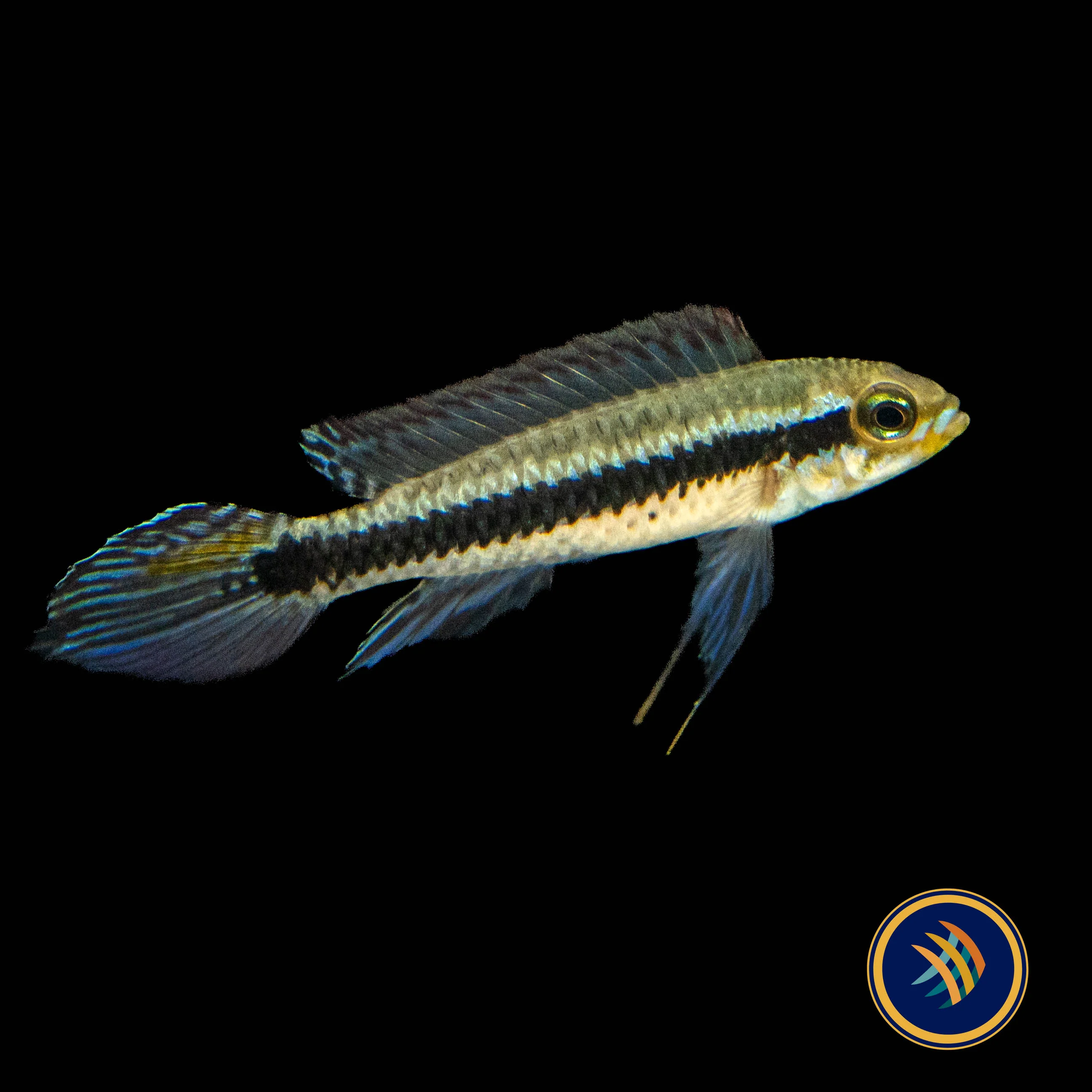
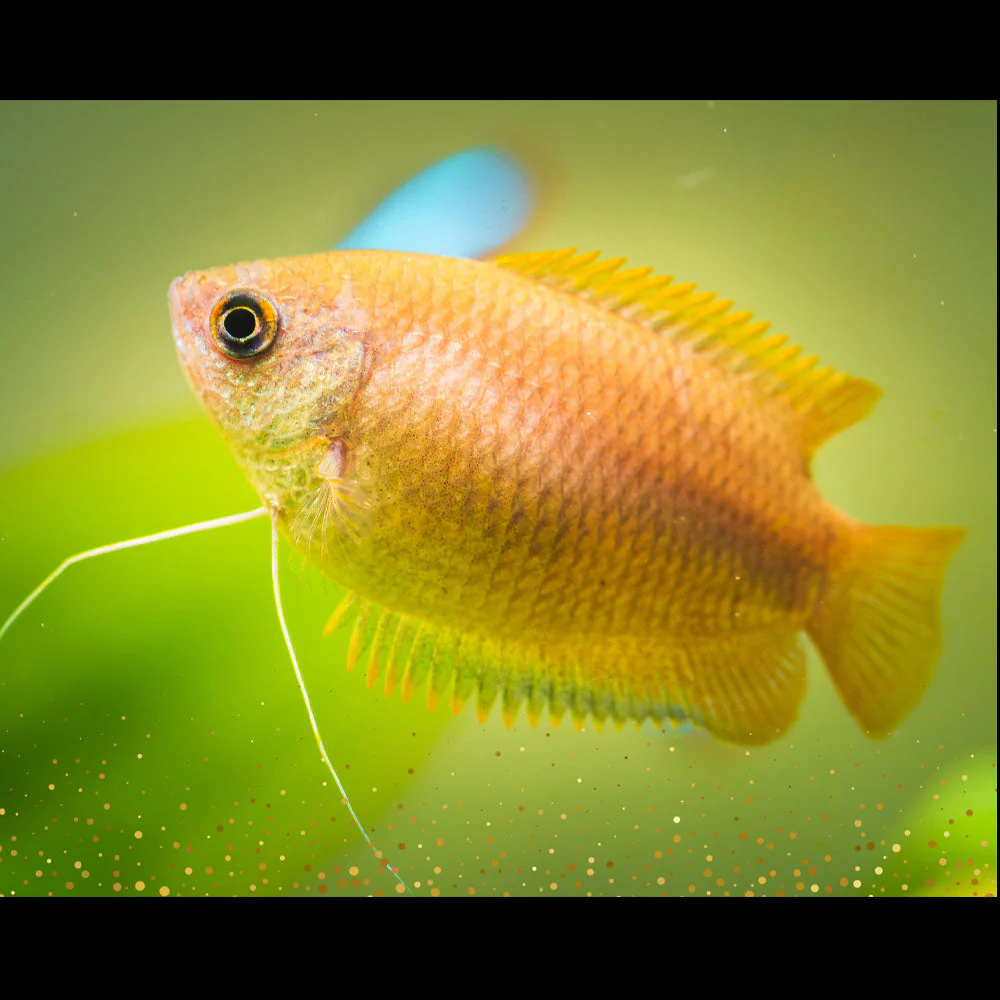
Green Sapphire Angelfish is a premium selectively bred freshwater angelfish admired for its deep emerald‑green to blue‑green iridescence and elegant body shape. Under proper lighting, mature specimens show a metallic “sapphire” sheen that makes them a centerpiece fish in planted and display aquariums.
Species Overview
- Scientific name: Pterophyllum scalare
- Common name: Green Sapphire Angelfish
- Family: Cichlidae
- Adult size: 15 cm (6") body; up to 20 cm (8") tall with fins
- Lifespan: 8–12 years
- Temperament: Semi‑peaceful
- Care level: Intermediate
- Origin: Captive-bred (wild ancestors from the Amazon Basin)
Coloration & Genetics
- Rich green to teal body coloration with blue iridescent highlights
- Color intensity increases with age, diet, and lighting
- Minimal to no vertical striping compared to wild‑type scalare
- Color is genetically stable in well-bred lines, unlike “diet-based” colorations
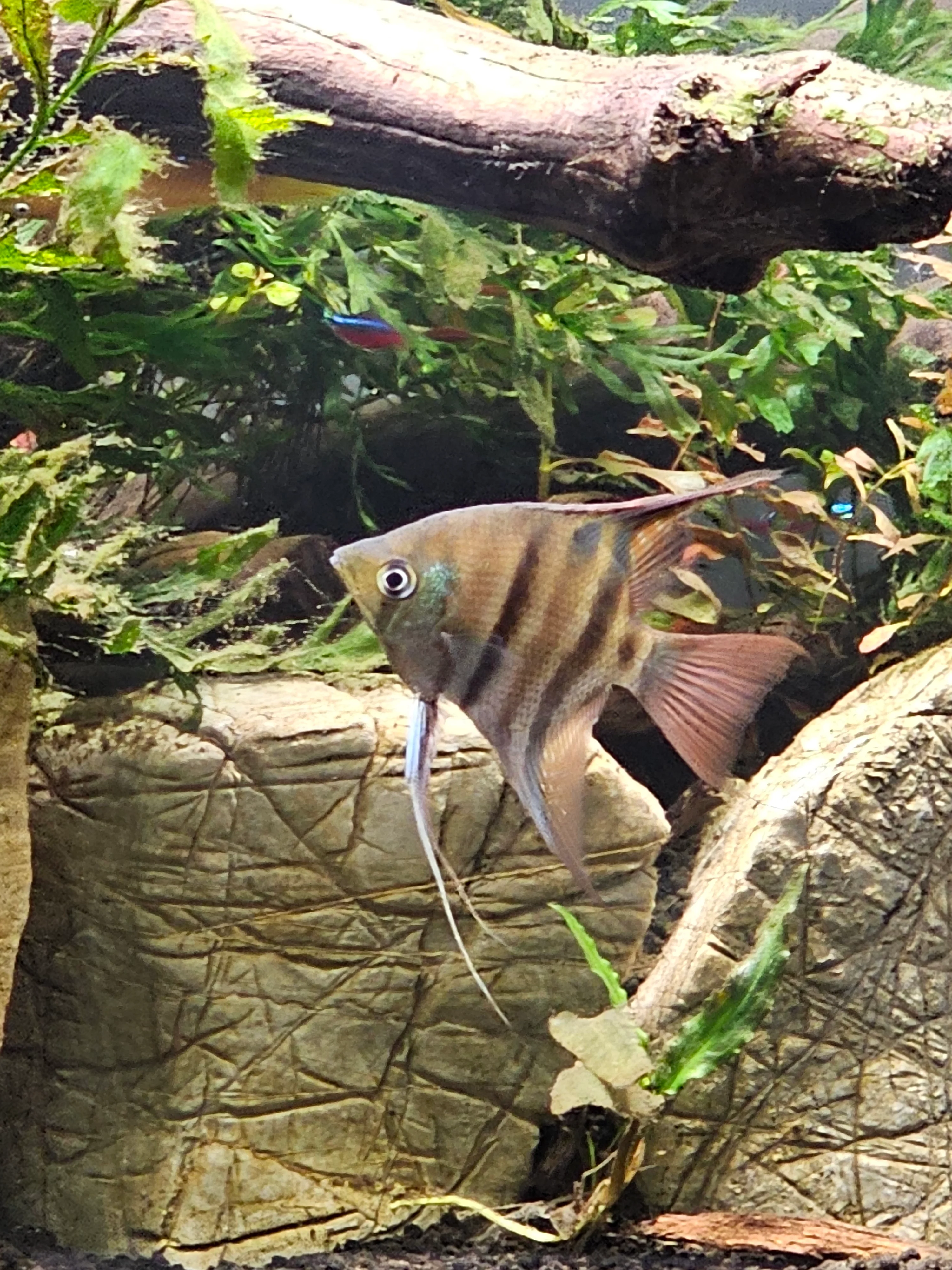
Dark substrates and planted tanks dramatically enhance sapphire sheen.
Ideal Tank Requirements
-
Minimum tank size:
- Single specimen: 30 gallons
- Pair or group: 55+ gallons
- Tank height: Important (18"+ vertical space recommended)
- Temperature: 24–28 °C (75–82 °F)
- pH: 6.0–7.2
- GH: 3–8
- KH: 1–5
- Flow: Low to moderate
- Aquascape: Planted with vertical structures (Amazon swords, driftwood)
-
A calm, well-structured aquarium reduces stress and improves coloration.
Diet
Omnivorous—thrives on a varied diet:
- High-quality angelfish pellets or flakes
- Frozen foods (brine shrimp, bloodworms, mysis)
- Occasional live foods
- Vegetable matter (spirulina-based foods)
Foods rich in carotenoids and spirulina help maintain deep green coloration.
Tank Mates
Compatible with:
- Larger tetras (rummynose, emperor)
- Corydoras catfish
- Bristlenose plecos
- Peaceful dwarf cichlids (with space)
Avoid:
- Fin‑nippers (tiger barbs, some danios)
- Very small fish (neon tetras may be eaten as adults)
- Highly aggressive cichlids
During breeding, pairs can become territorial.
Breeding Notes
Green Sapphire Angelfish breed similarly to standard P. scalare:
- Form monogamous pairs
- Lay eggs on vertical surfaces (leaves, slate, glass)
- Parents may guard fry, though first-time pairs can fail
Product Information
Product Information
Shipping & Returns
Shipping & Returns
Description
Green Sapphire Angelfish is a premium selectively bred freshwater angelfish admired for its deep emerald‑green to blue‑green iridescence and elegant body shape. Under proper lighting, mature specimens show a metallic “sapphire” sheen that makes them a centerpiece fish in planted and display aquariums.
Species Overview
- Scientific name: Pterophyllum scalare
- Common name: Green Sapphire Angelfish
- Family: Cichlidae
- Adult size: 15 cm (6") body; up to 20 cm (8") tall with fins
- Lifespan: 8–12 years
- Temperament: Semi‑peaceful
- Care level: Intermediate
- Origin: Captive-bred (wild ancestors from the Amazon Basin)
Coloration & Genetics
- Rich green to teal body coloration with blue iridescent highlights
- Color intensity increases with age, diet, and lighting
- Minimal to no vertical striping compared to wild‑type scalare
- Color is genetically stable in well-bred lines, unlike “diet-based” colorations
Dark substrates and planted tanks dramatically enhance sapphire sheen.
Ideal Tank Requirements
-
Minimum tank size:
- Single specimen: 30 gallons
- Pair or group: 55+ gallons
- Tank height: Important (18"+ vertical space recommended)
- Temperature: 24–28 °C (75–82 °F)
- pH: 6.0–7.2
- GH: 3–8
- KH: 1–5
- Flow: Low to moderate
- Aquascape: Planted with vertical structures (Amazon swords, driftwood)
-
A calm, well-structured aquarium reduces stress and improves coloration.
Diet
Omnivorous—thrives on a varied diet:
- High-quality angelfish pellets or flakes
- Frozen foods (brine shrimp, bloodworms, mysis)
- Occasional live foods
- Vegetable matter (spirulina-based foods)
Foods rich in carotenoids and spirulina help maintain deep green coloration.
Tank Mates
Compatible with:
- Larger tetras (rummynose, emperor)
- Corydoras catfish
- Bristlenose plecos
- Peaceful dwarf cichlids (with space)
Avoid:
- Fin‑nippers (tiger barbs, some danios)
- Very small fish (neon tetras may be eaten as adults)
- Highly aggressive cichlids
During breeding, pairs can become territorial.
Breeding Notes
Green Sapphire Angelfish breed similarly to standard P. scalare:
- Form monogamous pairs
- Lay eggs on vertical surfaces (leaves, slate, glass)
- Parents may guard fry, though first-time pairs can fail