🎉 Up to 70% Off Selected ItemsShop Sale

Silver Lyretail Sailfin Molly (Poecilia latipinna) 5cm
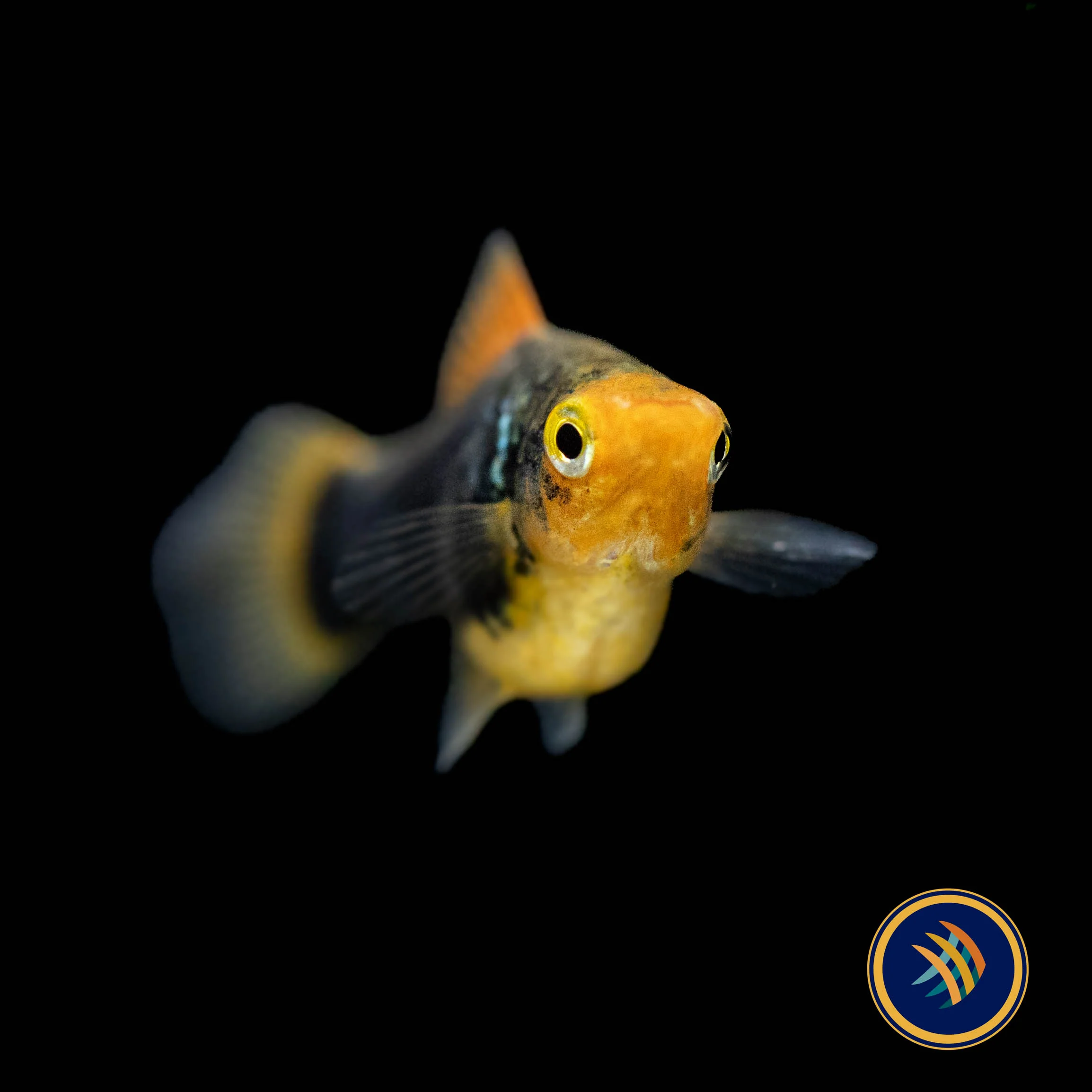
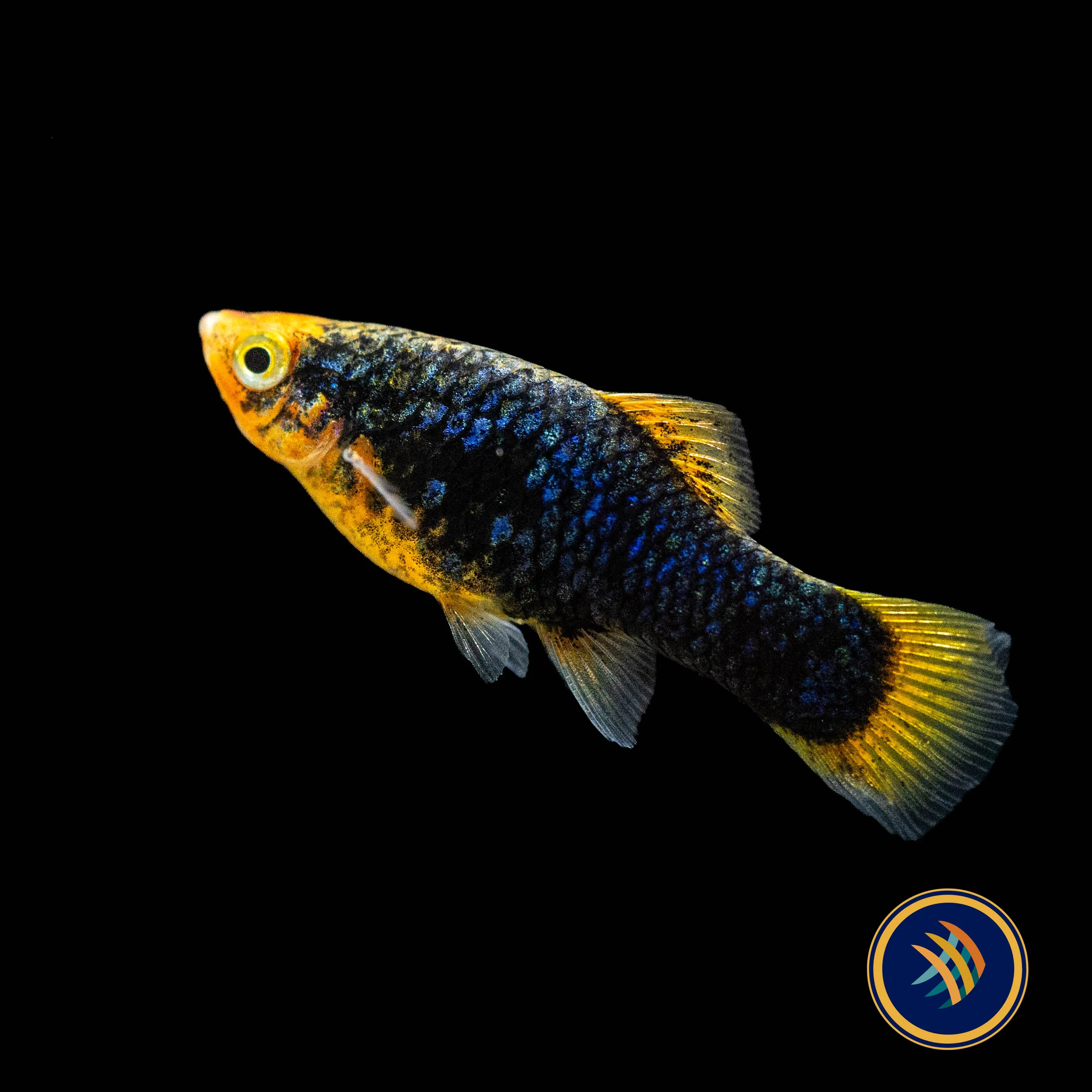
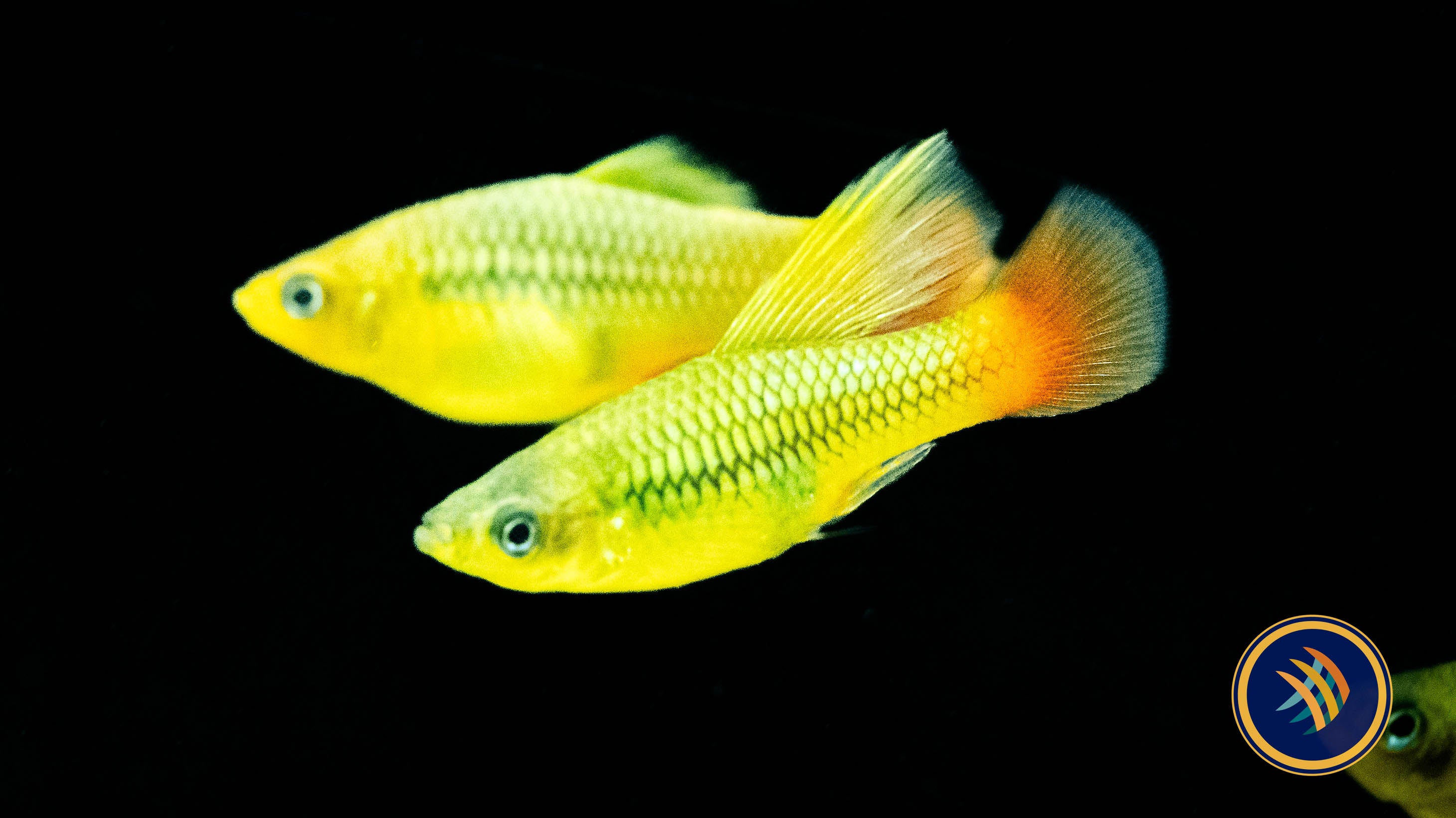
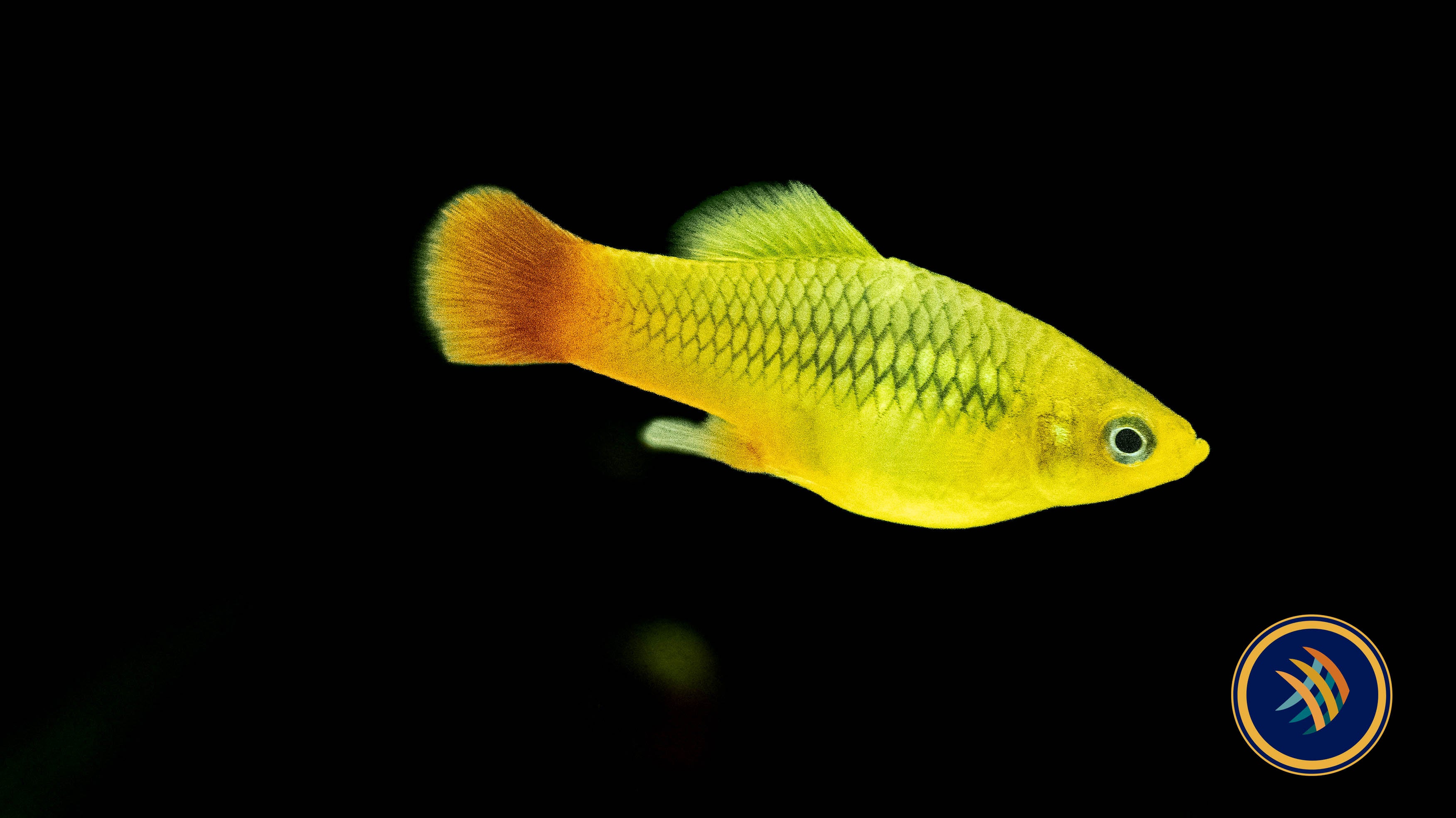
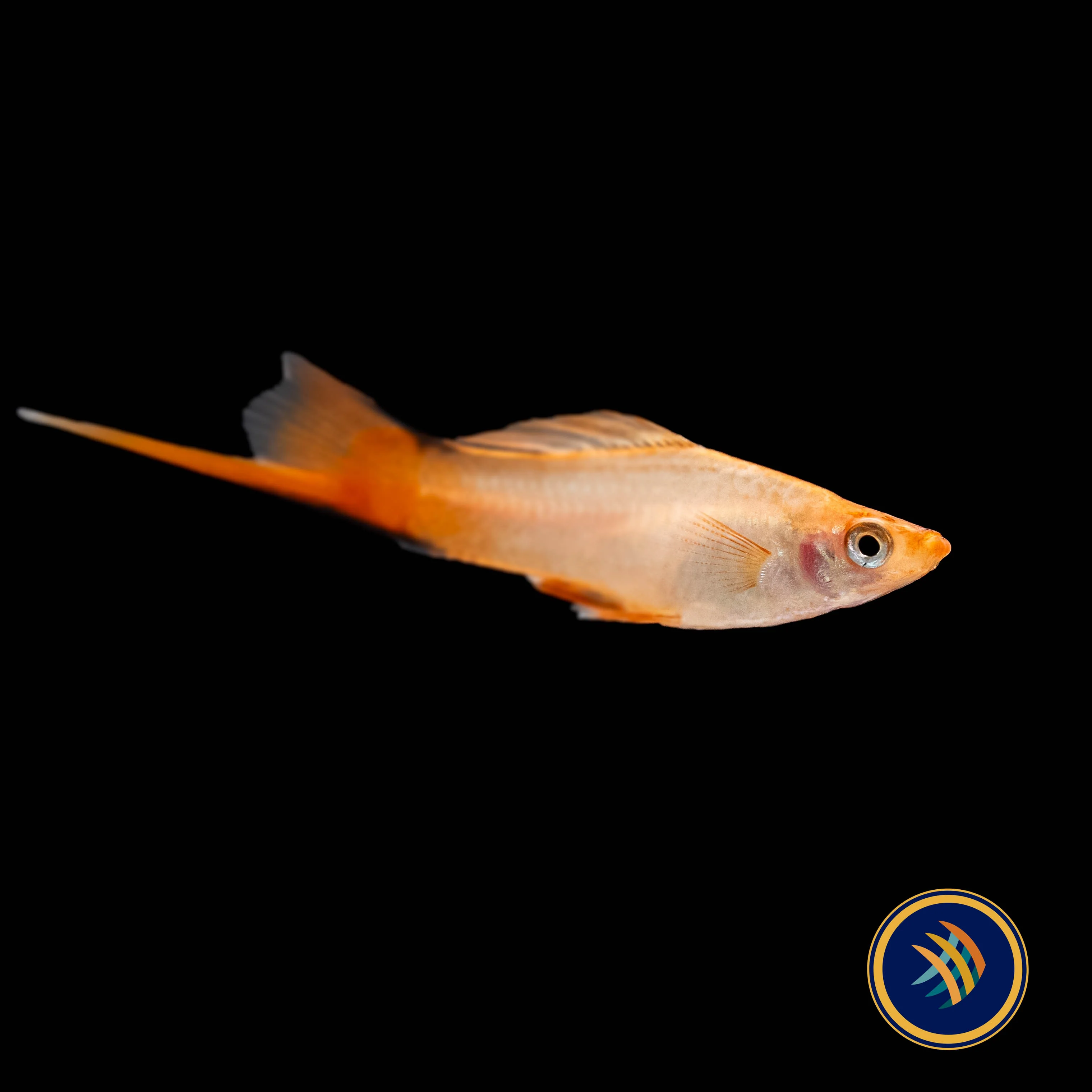
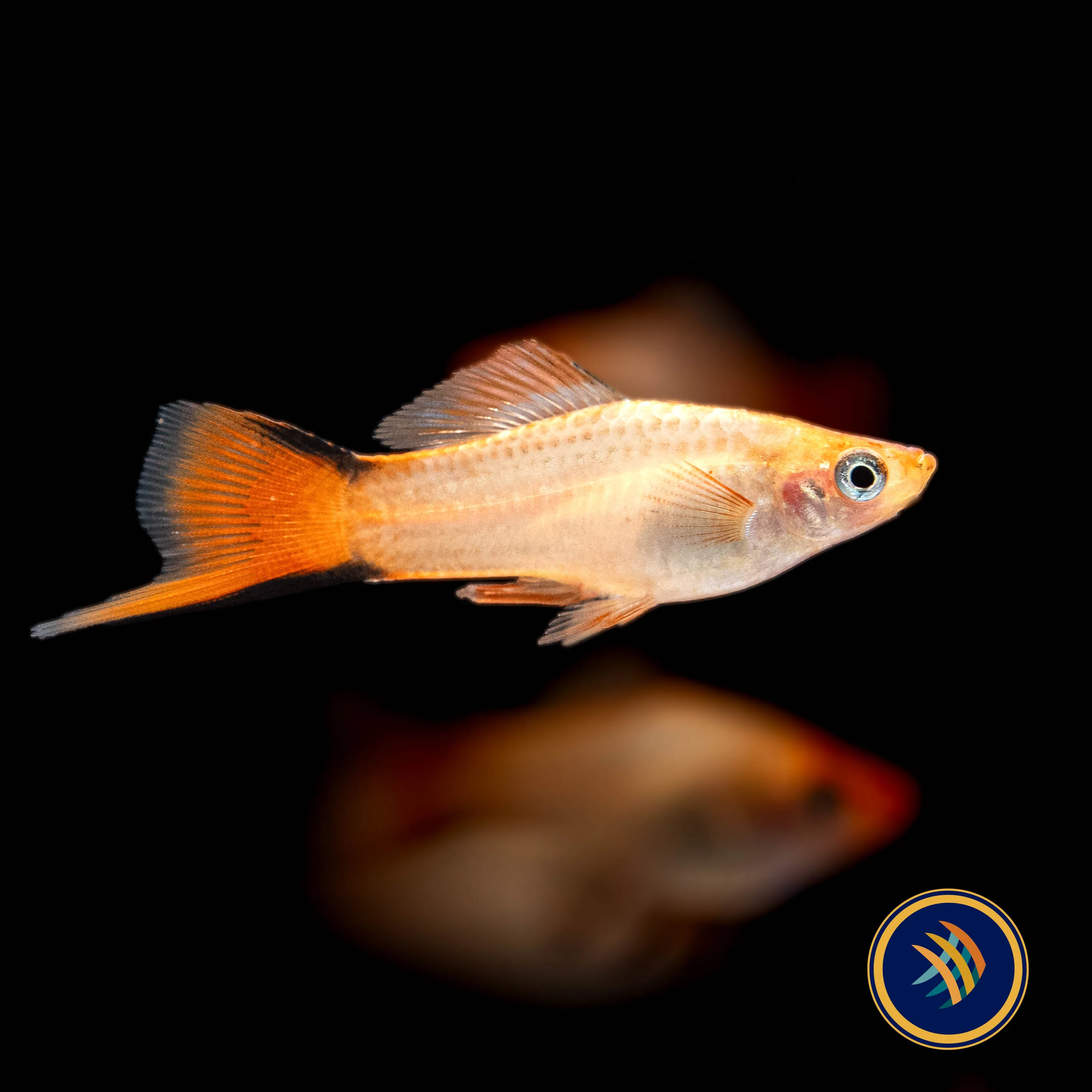
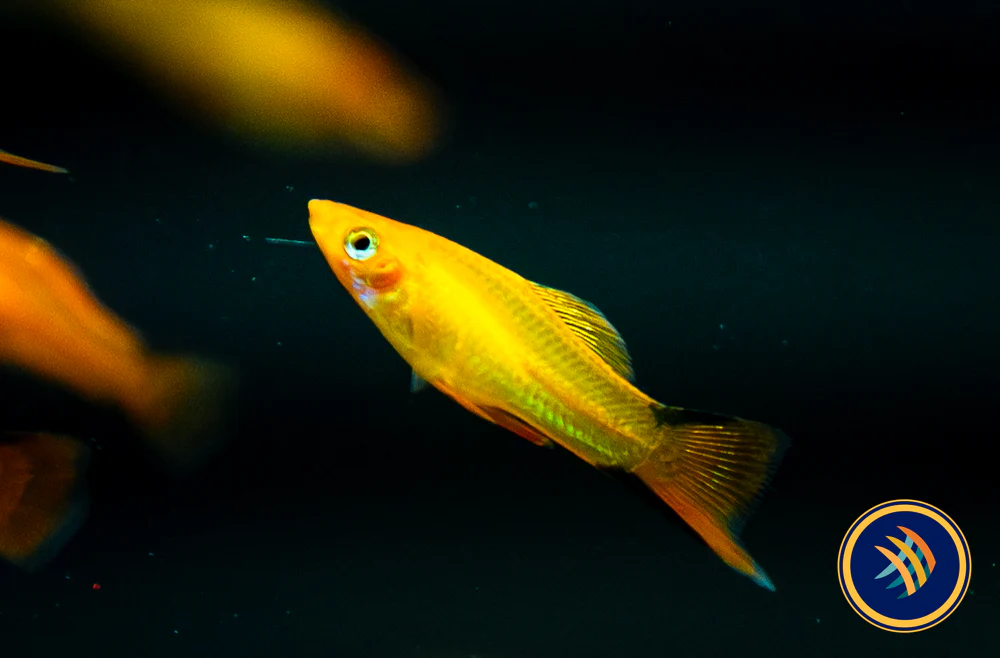
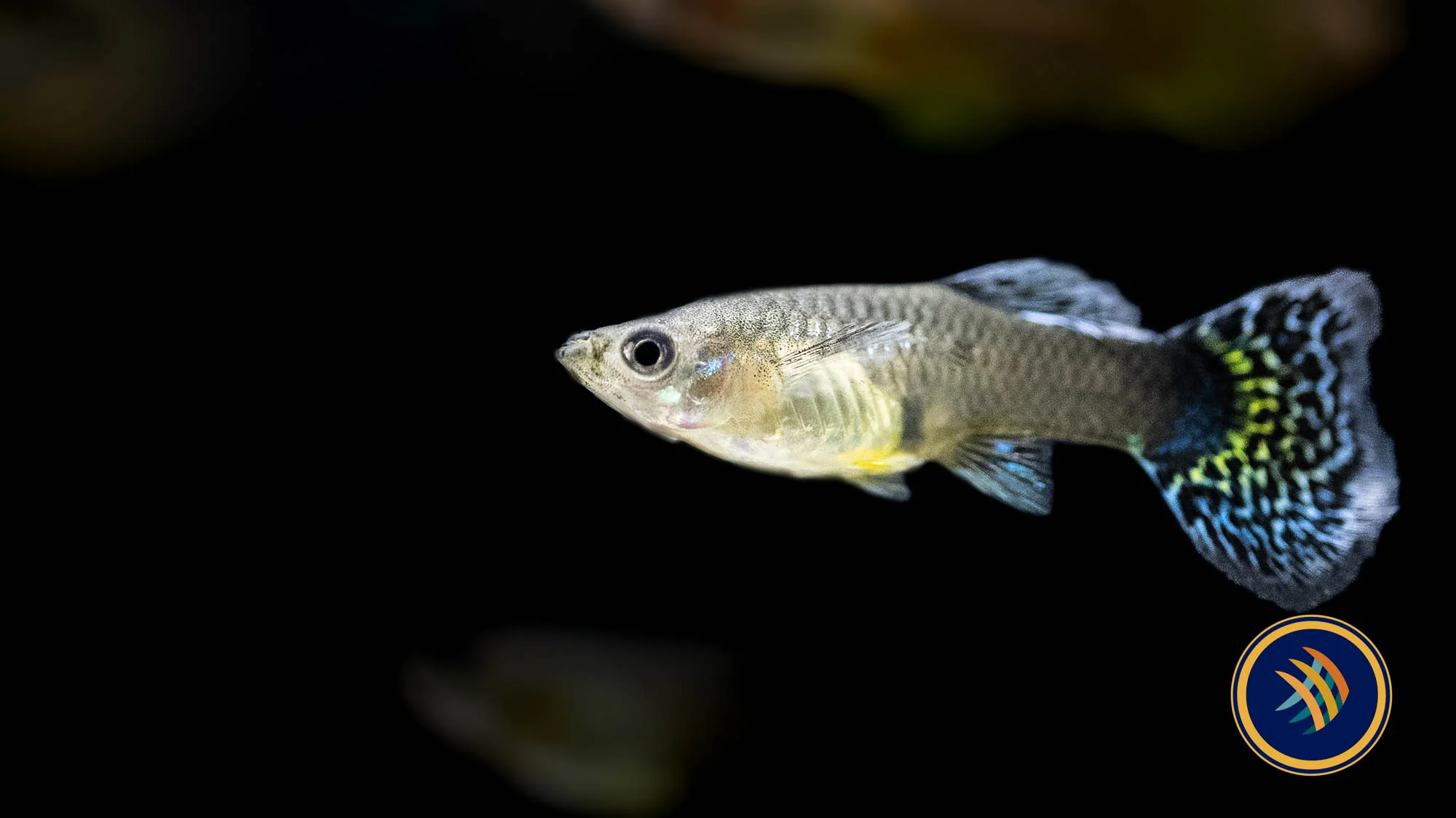
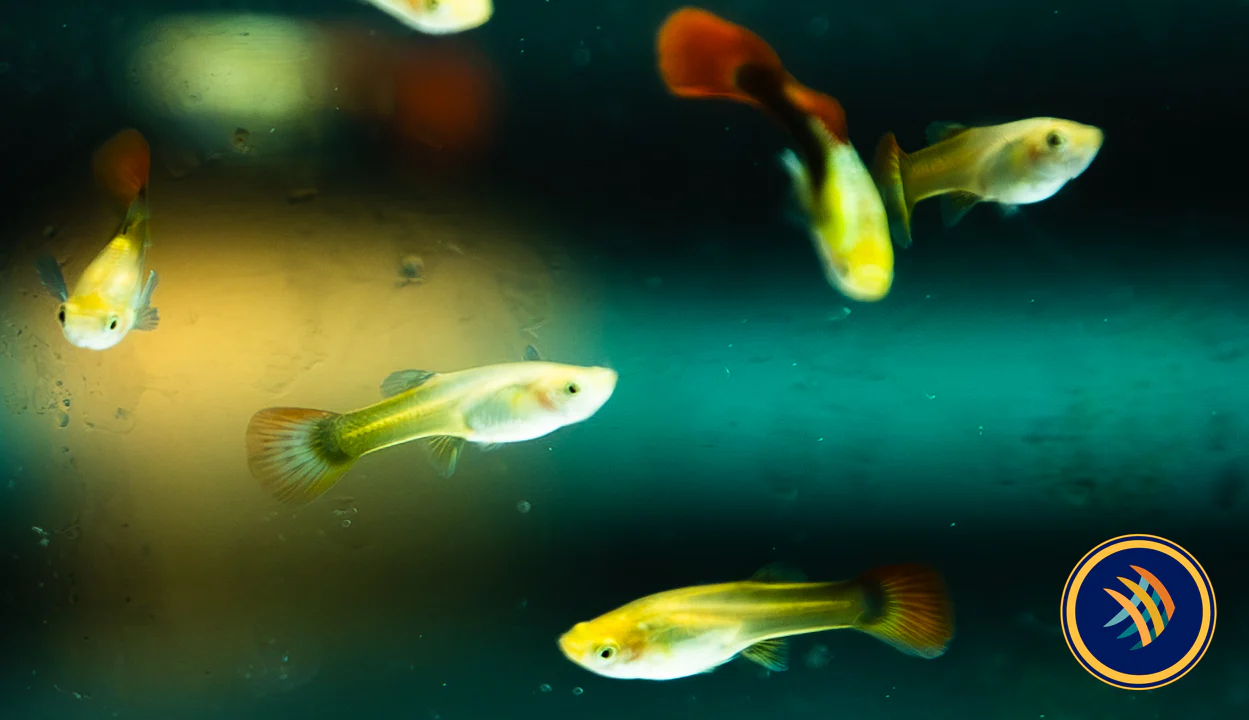
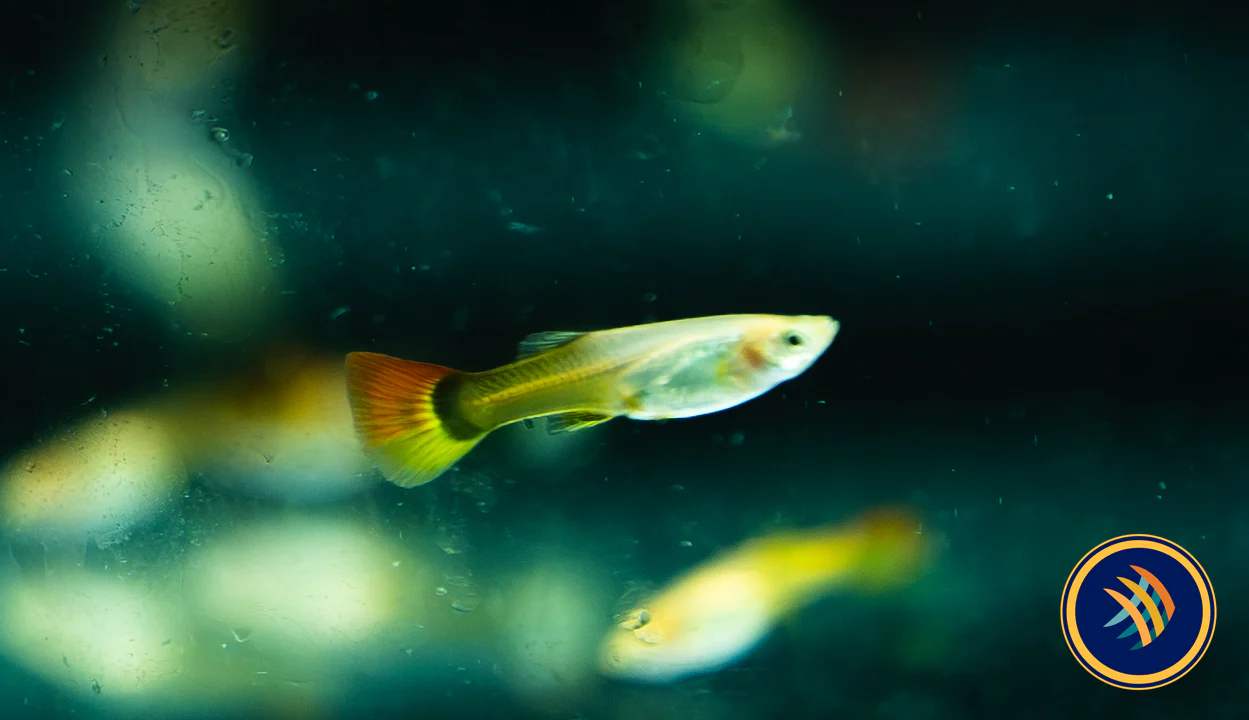
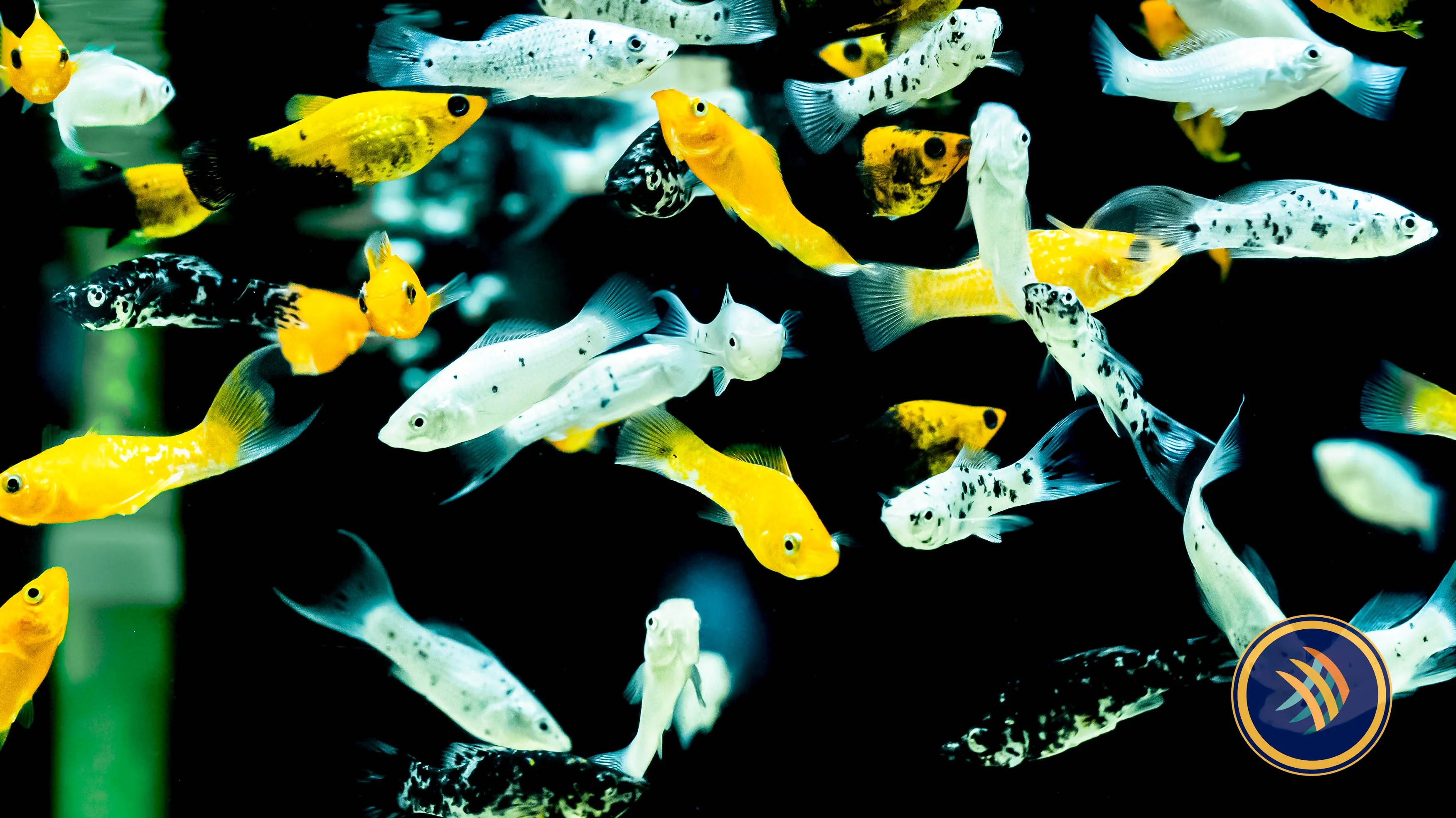
Silver Lyretail Sailfin Molly (Poecilia latipinna) is a stunning and peaceful freshwater fish known for its shimmering silver-white body and elegant fin extensions.
Species Overview
- Scientific Name: Poecilia latipinna
- Common Names: Platinum Lyretail Molly, Silver Lyretail Molly
- Size: Up to 5 inches (males typically smaller)
- Lifespan: 1–3 years (can live longer with excellent care)
- Temperament: Peaceful, social, and active
Appearance
- Color: Solid platinum or silver-white body
-
Fins:
- Dorsal Fin: Large and sail-like in males
- Caudal Fin: Lyre-shaped with long, flowing extensions
- Sexual Dimorphism: Males have more elaborate fins and slimmer bodies
Habitat & Origin
- Native Range: Central America (rivers, estuaries, and brackish waters)
- Tank Type: Freshwater or lightly brackish
-
Ideal Conditions:
- Temperature: 72–82°F (22–28°C)
- pH: 7.5–8.5
- Hardness: 15–30 dGH
- Add 1 tsp aquarium salt per gallon for optimal health
Aquarium Setup
- Tank Size: Minimum 25 gallons for a small group
- Substrate: Gravel or sand
- Decor: Live plants, open swimming space, and hiding spots
- Filtration: Moderate flow; maintain excellent water quality
Diet
-
Omnivorous:
- Flake food (algae-based)
- Live/frozen: Brine shrimp, bloodworms, daphnia
- Blanched vegetables: Zucchini, spinach
- Feeding: 1–2 times daily; avoid overfeeding
Behavior & Compatibility
- Social Structure: Best kept in groups; 2–3 females per male
-
Tank Mates:
- Guppies, Platies, Swordtails, Tetras, Gouramis, Corydoras
- Avoid: Long-finned or aggressive species (mollies may nip)
Breeding
- Type: Livebearer
- Gestation: ~4–6 weeks
- Fry Count: 10–40 per birth
-
Fry Care:
- Use breeding traps or dense plants for hiding
- Feed crushed flakes or baby brine shrimp
- Adults may eat fry, so separation is recommended
Care Tips
- Acclimate slowly using the drip or floating method
- Maintain stable water parameters and avoid sudden changes
- Perform regular water changes and monitor for aggression among males
$3.05
Original: $8.72
-65%Silver Lyretail Sailfin Molly (Poecilia latipinna) 5cm—
$8.72
$3.05Product Information
Product Information
Shipping & Returns
Shipping & Returns
Description
Silver Lyretail Sailfin Molly (Poecilia latipinna) is a stunning and peaceful freshwater fish known for its shimmering silver-white body and elegant fin extensions.
Species Overview
- Scientific Name: Poecilia latipinna
- Common Names: Platinum Lyretail Molly, Silver Lyretail Molly
- Size: Up to 5 inches (males typically smaller)
- Lifespan: 1–3 years (can live longer with excellent care)
- Temperament: Peaceful, social, and active
Appearance
- Color: Solid platinum or silver-white body
-
Fins:
- Dorsal Fin: Large and sail-like in males
- Caudal Fin: Lyre-shaped with long, flowing extensions
- Sexual Dimorphism: Males have more elaborate fins and slimmer bodies
Habitat & Origin
- Native Range: Central America (rivers, estuaries, and brackish waters)
- Tank Type: Freshwater or lightly brackish
-
Ideal Conditions:
- Temperature: 72–82°F (22–28°C)
- pH: 7.5–8.5
- Hardness: 15–30 dGH
- Add 1 tsp aquarium salt per gallon for optimal health
Aquarium Setup
- Tank Size: Minimum 25 gallons for a small group
- Substrate: Gravel or sand
- Decor: Live plants, open swimming space, and hiding spots
- Filtration: Moderate flow; maintain excellent water quality
Diet
-
Omnivorous:
- Flake food (algae-based)
- Live/frozen: Brine shrimp, bloodworms, daphnia
- Blanched vegetables: Zucchini, spinach
- Feeding: 1–2 times daily; avoid overfeeding
Behavior & Compatibility
- Social Structure: Best kept in groups; 2–3 females per male
-
Tank Mates:
- Guppies, Platies, Swordtails, Tetras, Gouramis, Corydoras
- Avoid: Long-finned or aggressive species (mollies may nip)
Breeding
- Type: Livebearer
- Gestation: ~4–6 weeks
- Fry Count: 10–40 per birth
-
Fry Care:
- Use breeding traps or dense plants for hiding
- Feed crushed flakes or baby brine shrimp
- Adults may eat fry, so separation is recommended
Care Tips
- Acclimate slowly using the drip or floating method
- Maintain stable water parameters and avoid sudden changes
- Perform regular water changes and monitor for aggression among males