🎉 Up to 70% Off Selected ItemsShop Sale
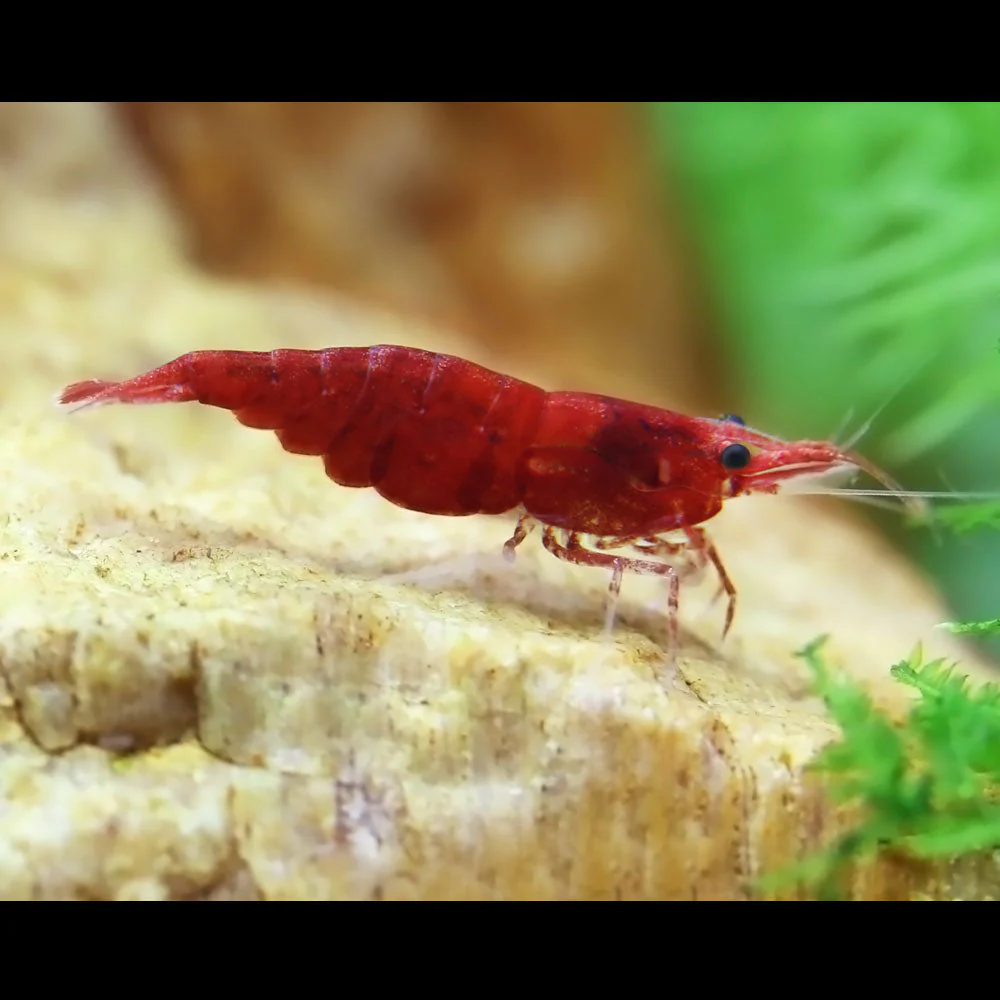
Red Rili Shrimp (Neocaridina davidi) Grade A
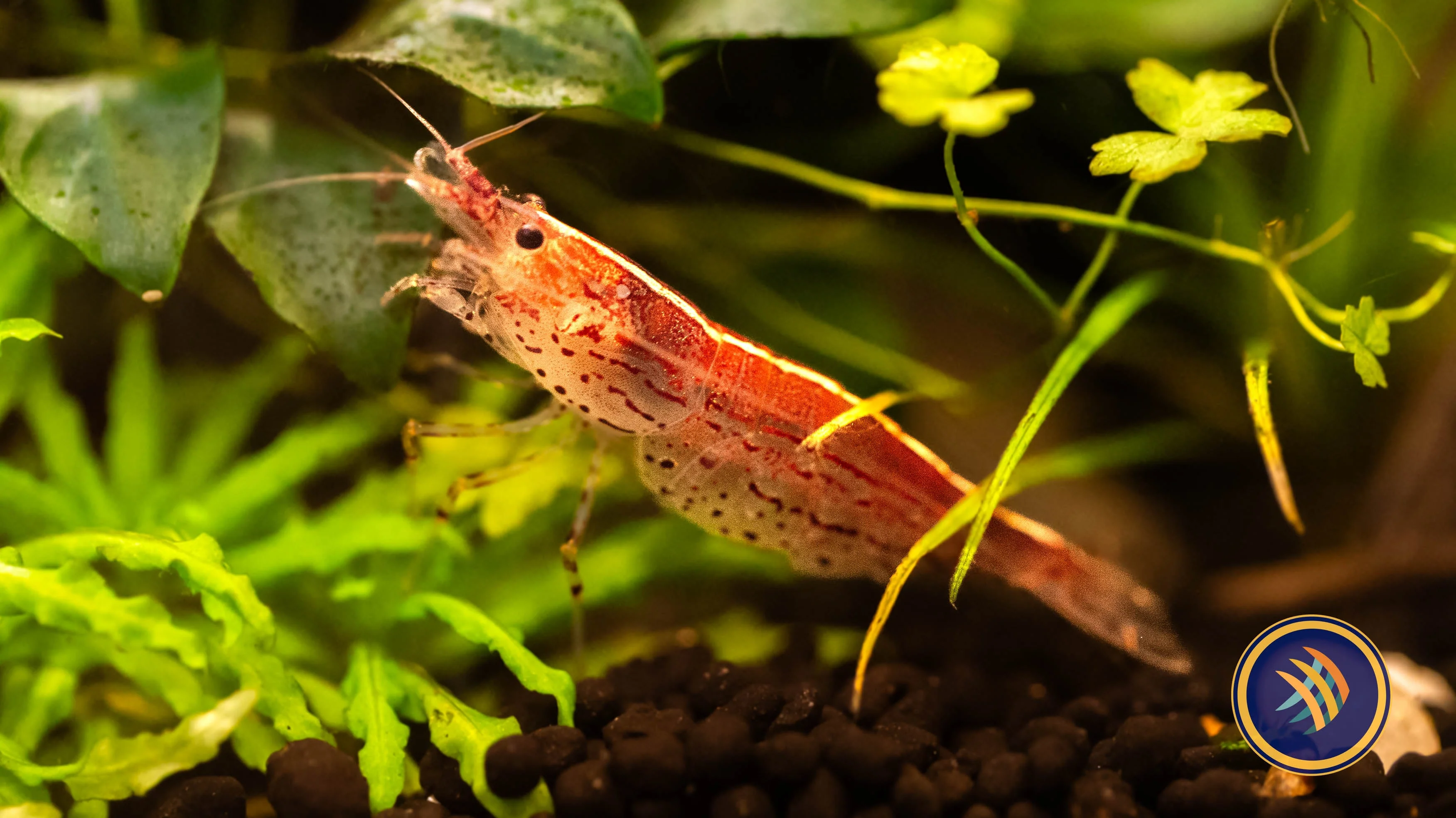
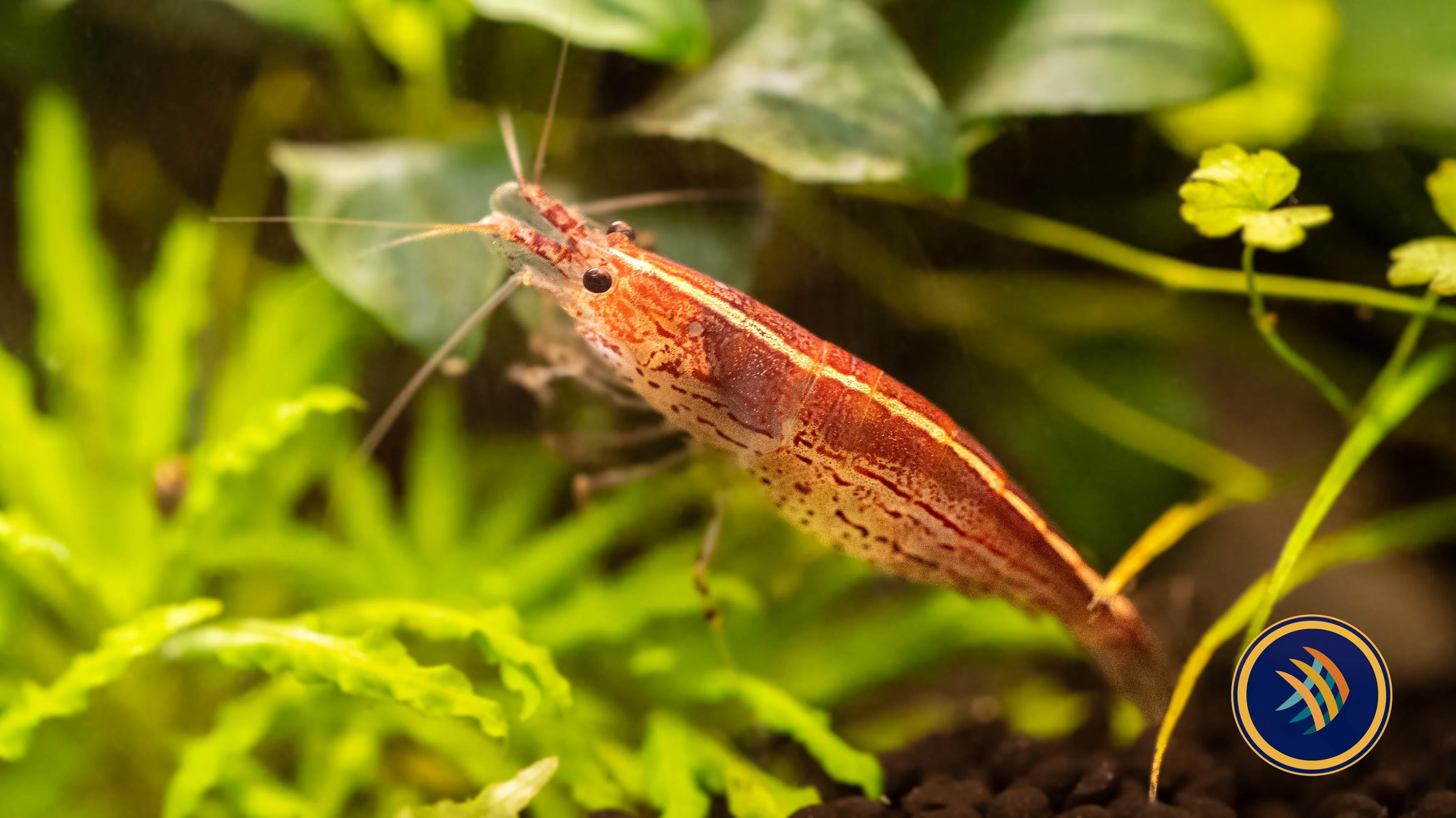
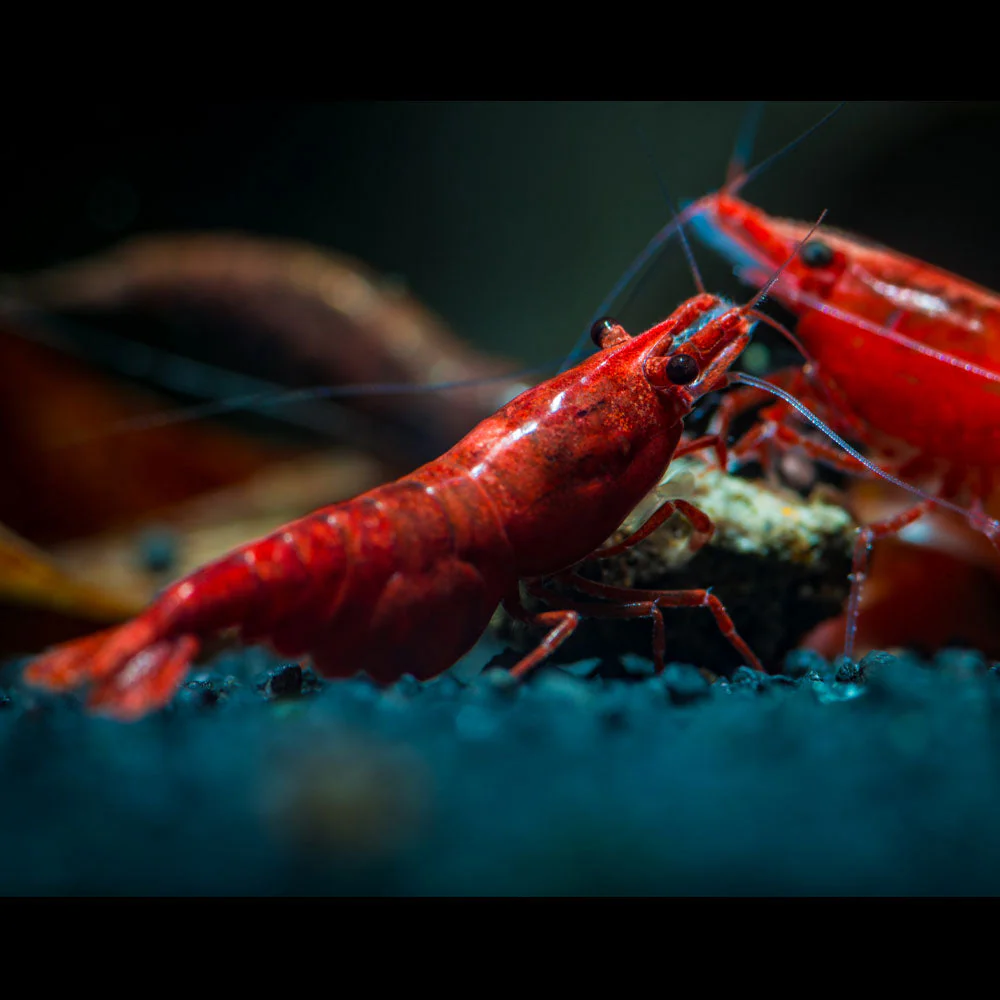
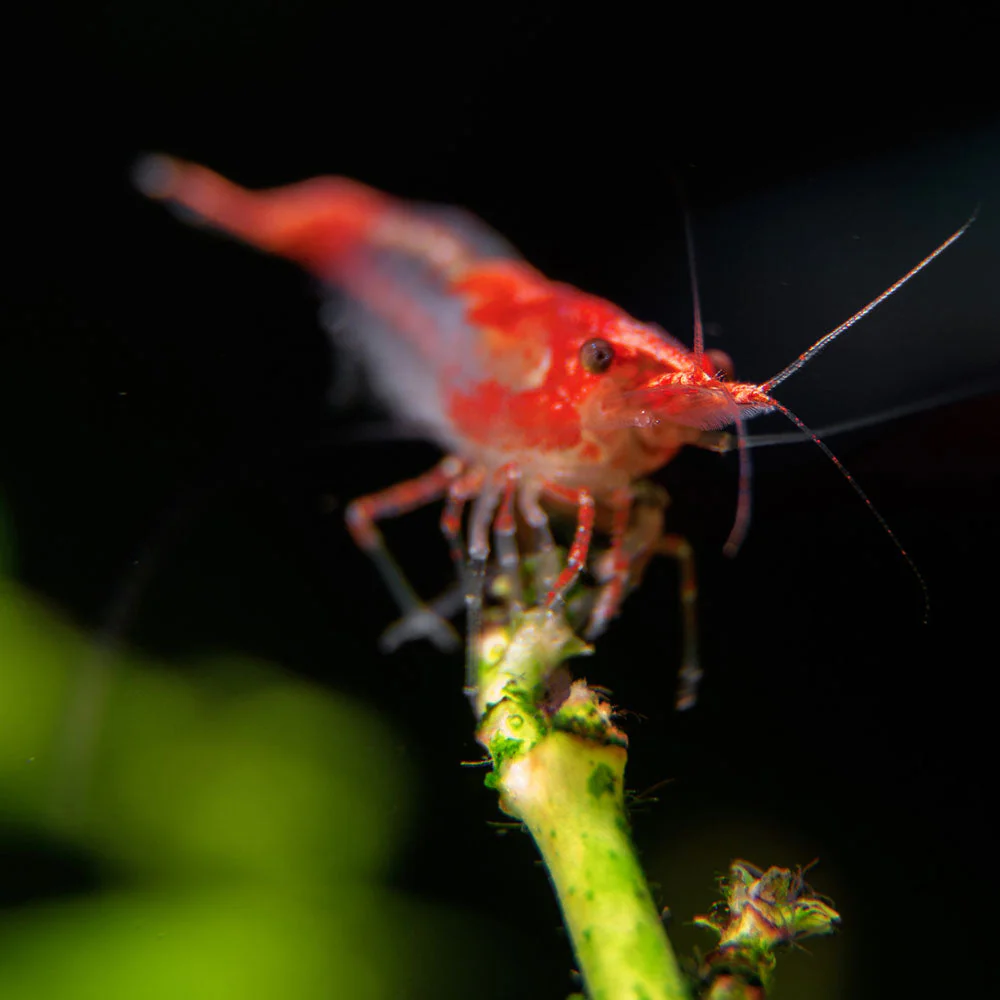
Red Rili Shrimp (Neocaridina davidi var. Rili) is a striking and beginner-friendly freshwater shrimp known for its vibrant red coloration combined with translucent midsections, creating a unique and eye-catching pattern. Here's a comprehensive care guide:
Species Overview
- Scientific Name: Neocaridina davidi var. Rili
- Common Names: Red Rili Shrimp, Rili Shrimp
- Size: 1–1.5 inches (2.5–3.8 cm)
- Lifespan: 1–2 years
- Origin: Taiwan
- Difficulty: Easy
Appearance
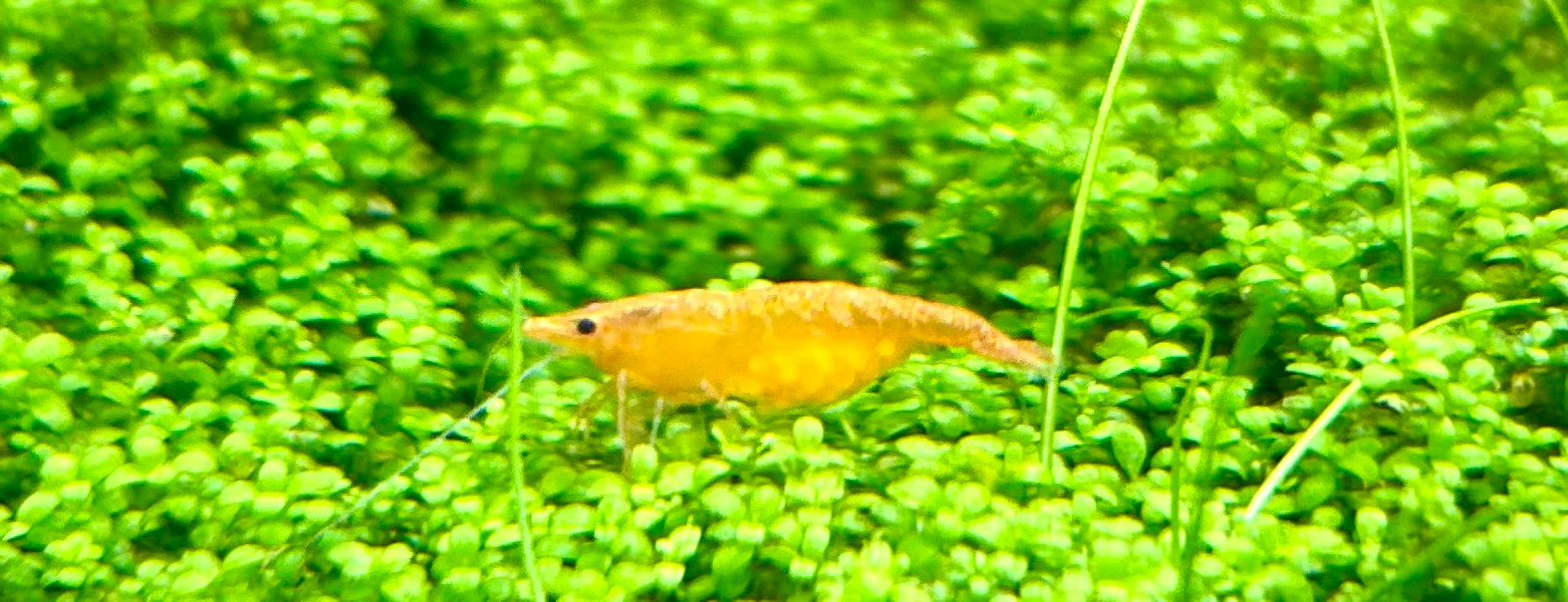
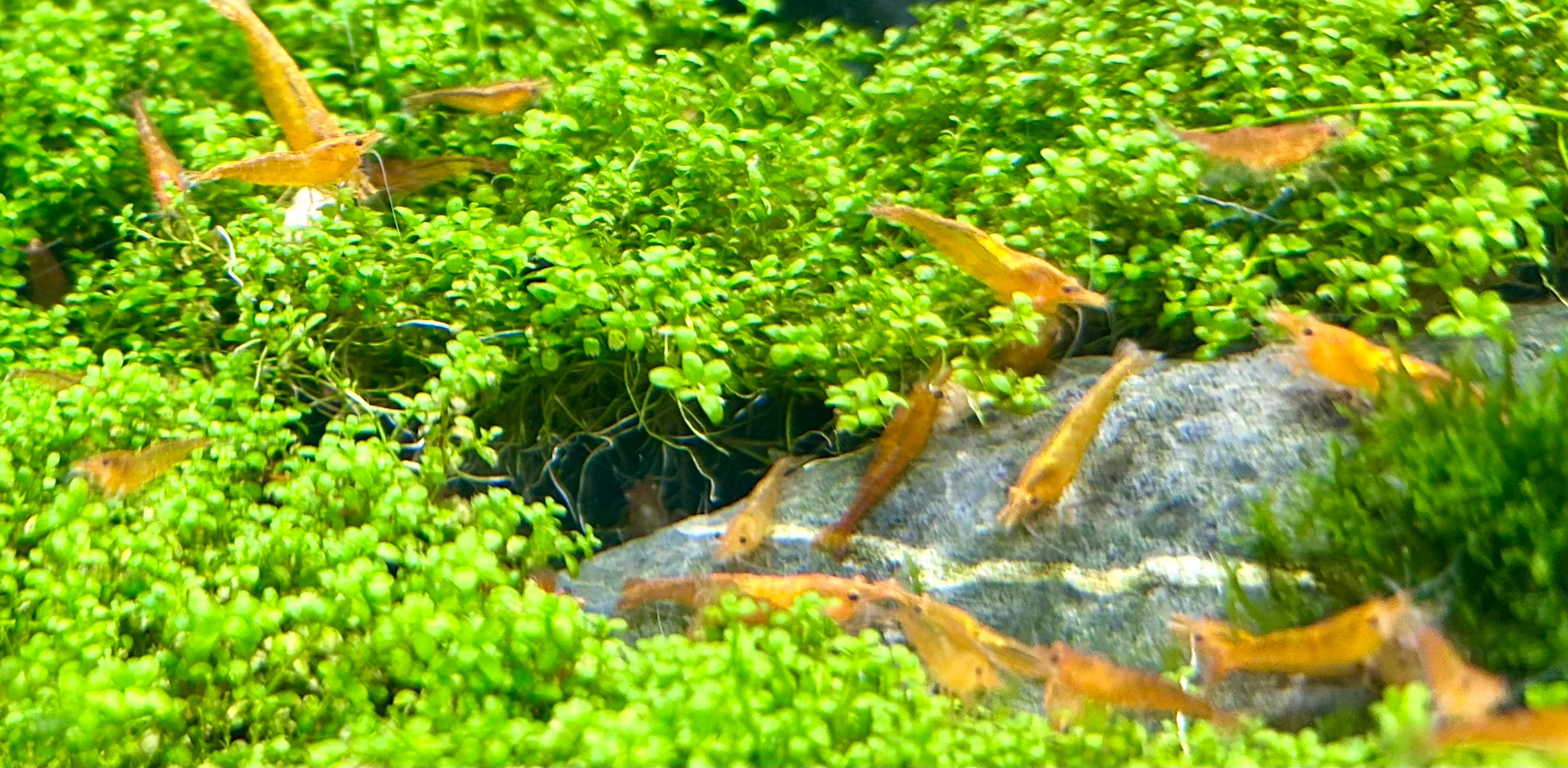
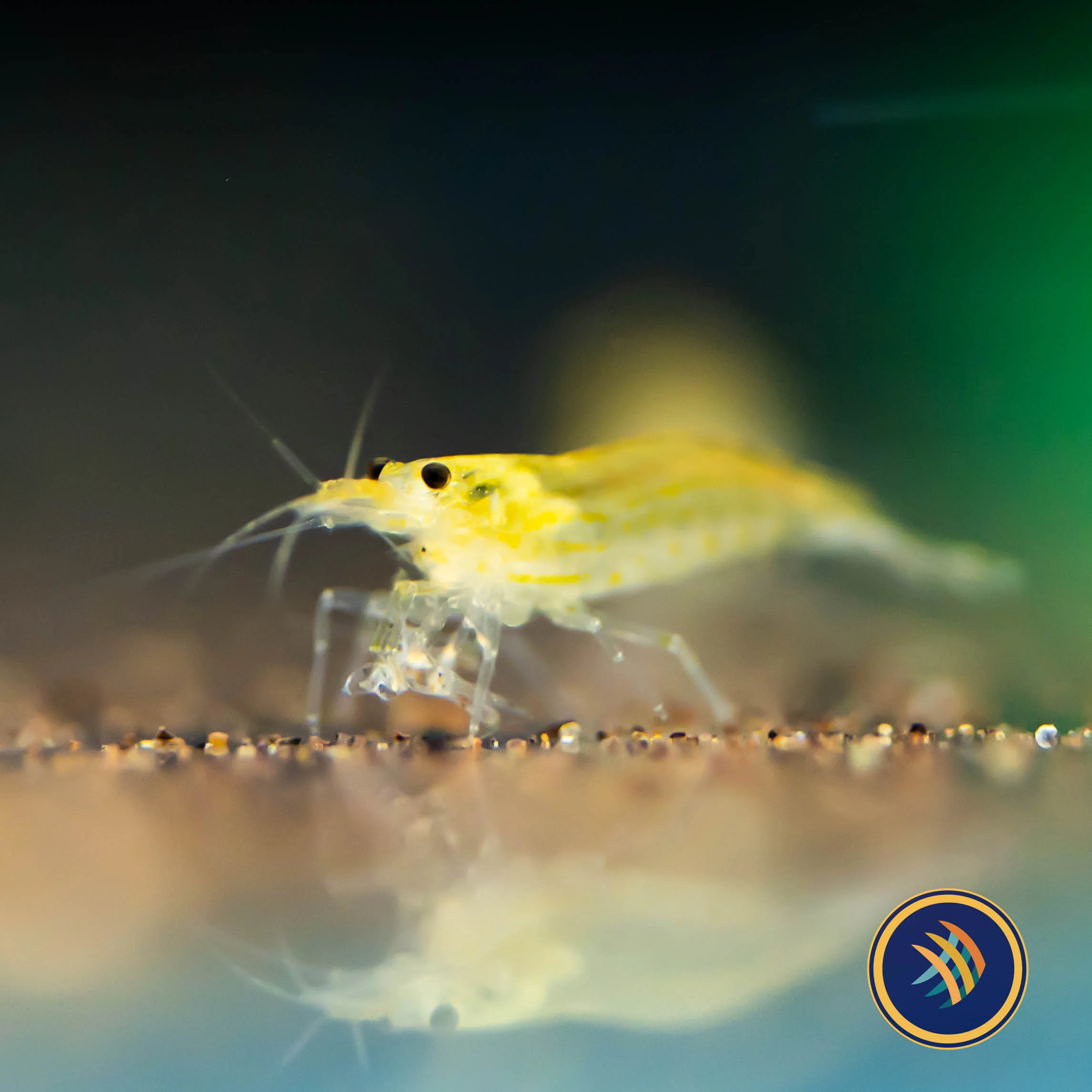
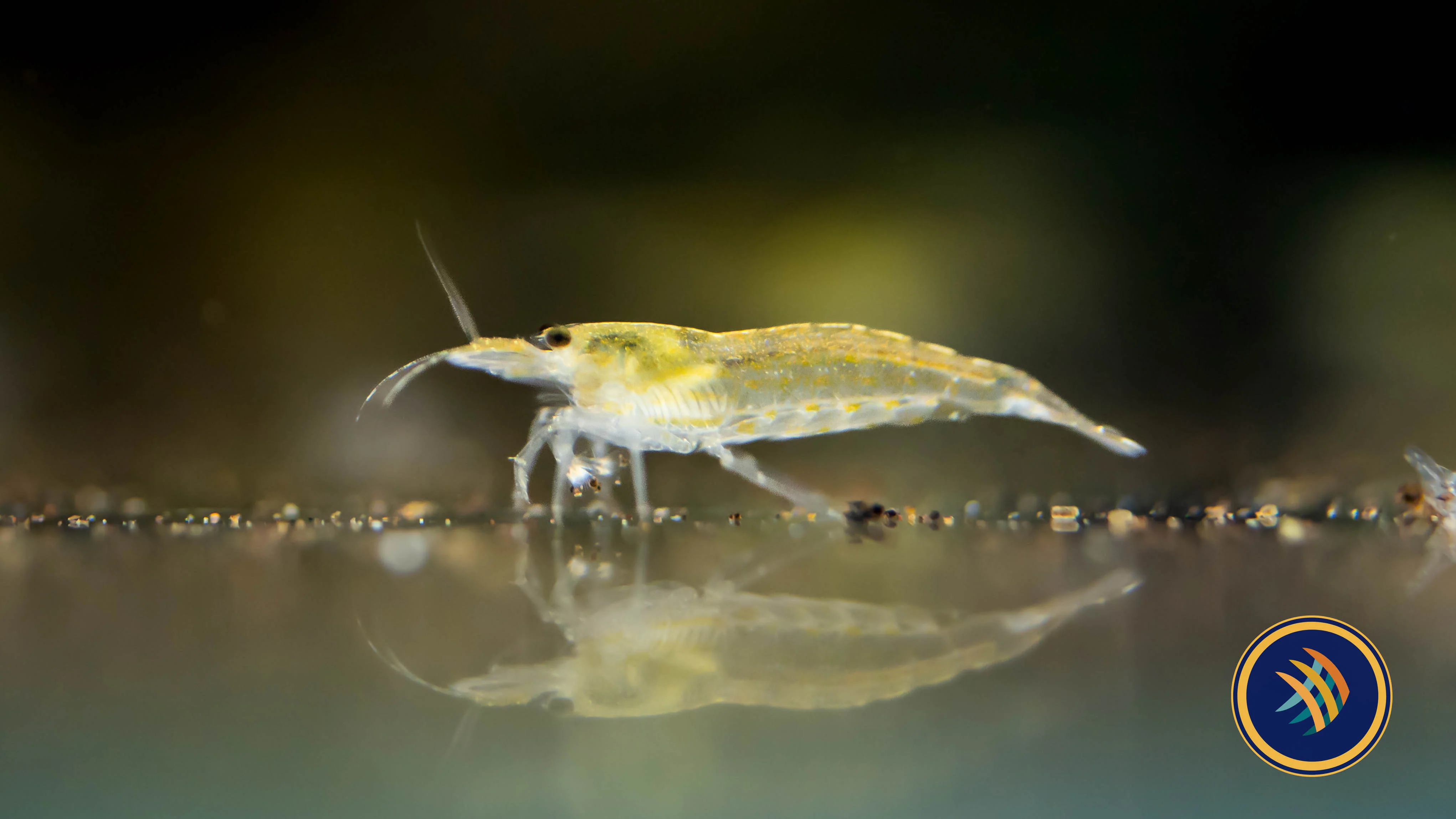
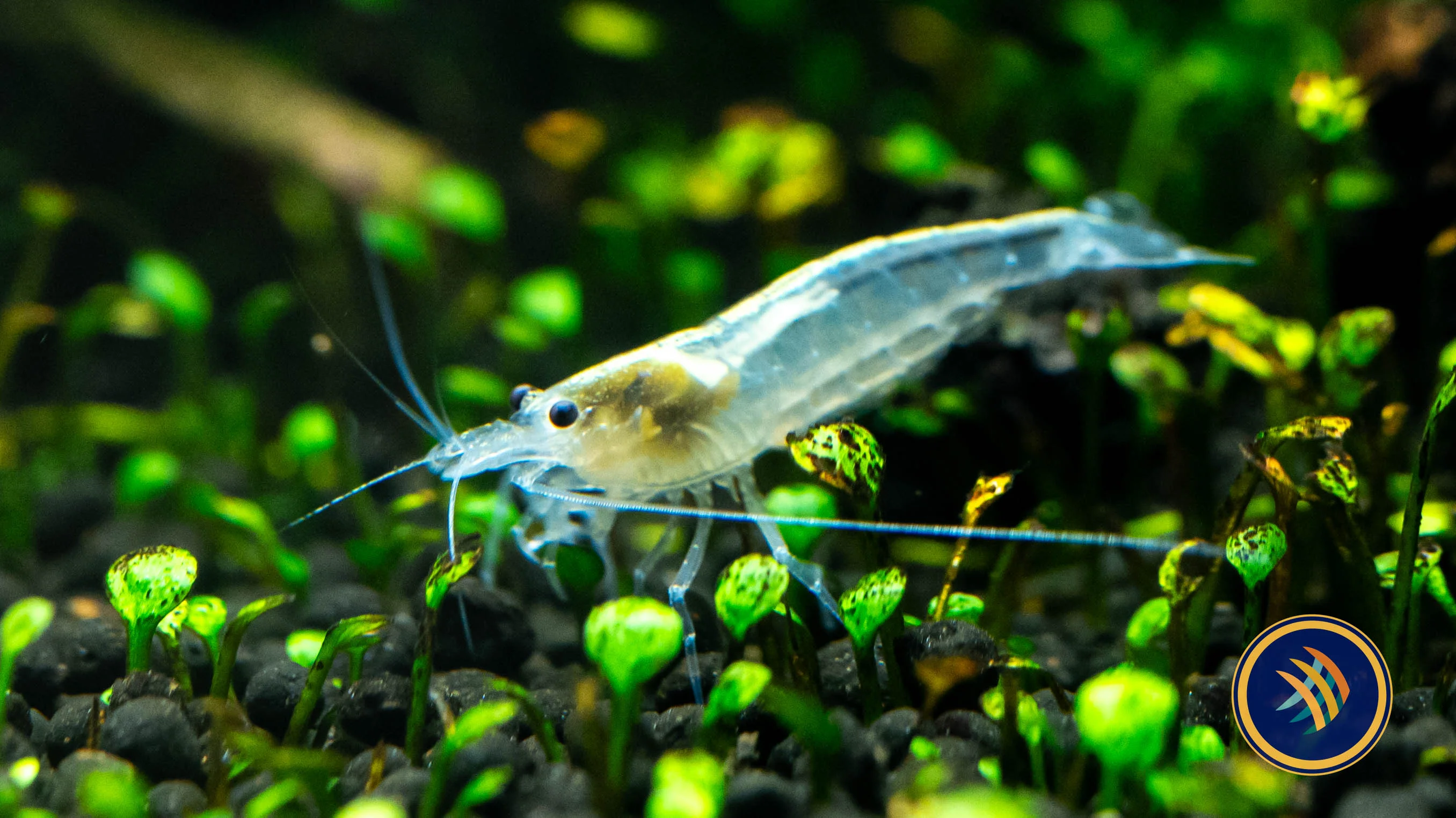
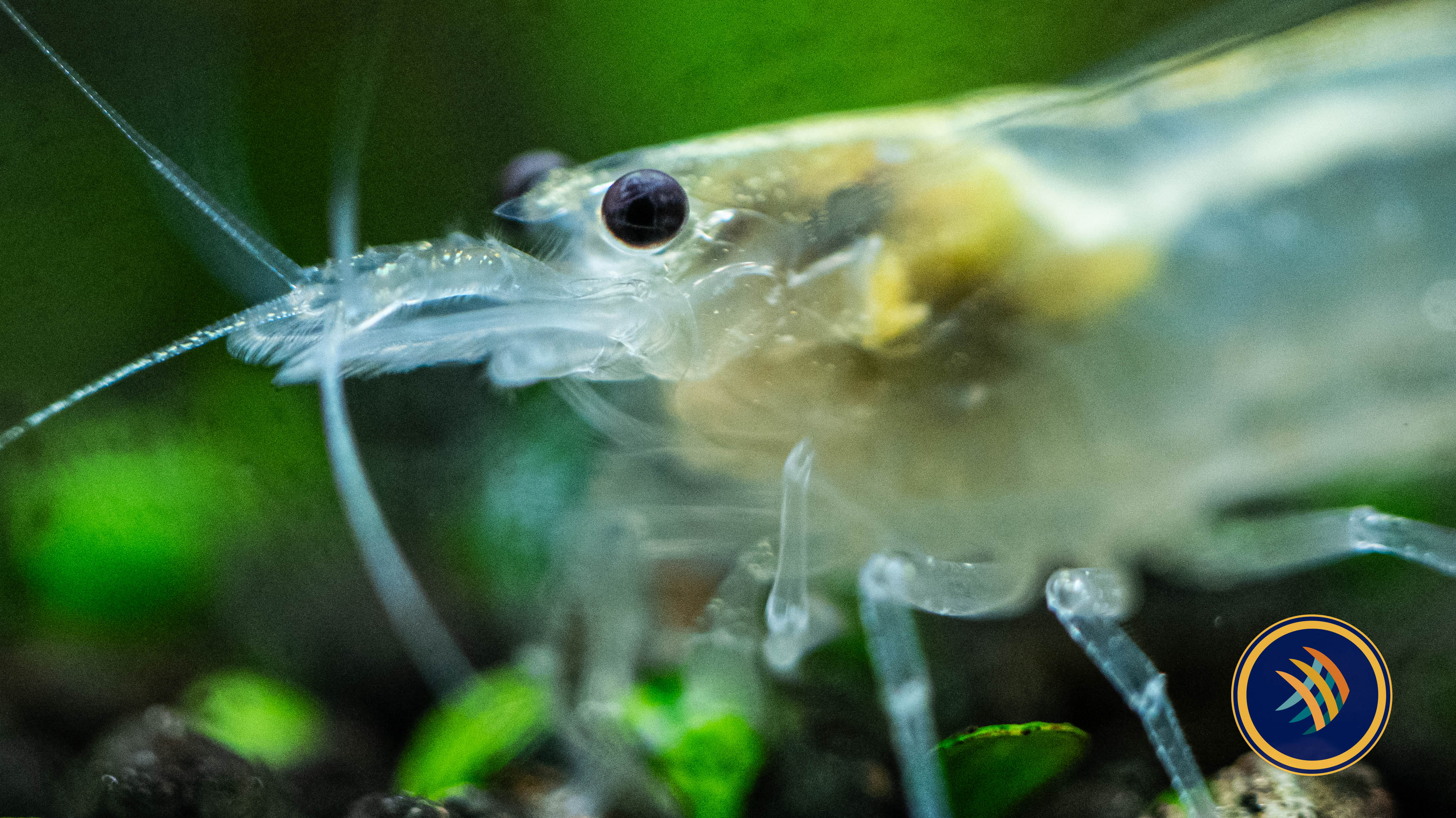
- Color Pattern: Bright red head and tail with a translucent band across the midsection.
Tank Setup
- Minimum Tank Size: 5 gallons (10 gallons preferred)
- Substrate: Fine gravel or sand
- Decor: Live plants, driftwood, rocks, shrimp tubes
- Filtration: Sponge filter recommended
- Aeration: Optional but beneficial
Water Parameters
- Temperature: 65–85°F (18–29°C)
- pH: 6.2–8.0
- GH (General Hardness): 4–10
- KH (Carbonate Hardness): 3–15
- TDS: 100–200 ppm
- Note: Avoid ammonia and nitrites; keep nitrates low
Diet
- Type: Omnivorous
-
Foods:
- Algae, biofilm, detritus
- Blanched vegetables (spinach, zucchini)
- Shrimp pellets, algae wafers
- Occasional protein (brine shrimp, bloodworms)
- Feeding Tip: Use a shrimp dish to avoid food scattering
Breeding
- Ease: Very easy in freshwater
- Reproduction: Females carry eggs under their tails for ~30 days
-
Tips:
- Keep water stable and clean
- Provide hiding spots for fry
- Avoid mixing with other Neocaridina colors to prevent wild-type offspring
Tank Mates
-
Compatible With:
- Peaceful fish (e.g., Kuhli loaches, celestial pearl danios)
- Snails (e.g., Nerite, Ramshorn)
- Other non-interbreeding shrimp (e.g., Caridina)
-
Avoid:
- Aggressive or large fish (e.g., bettas, cichlids)
- Mixing Neocaridina color morphs unless you're okay with mixed offspring
$1.53
Original: $4.36
-65%Red Rili Shrimp (Neocaridina davidi) Grade A—
$4.36
$1.53Product Information
Product Information
Shipping & Returns
Shipping & Returns
Description
Red Rili Shrimp (Neocaridina davidi var. Rili) is a striking and beginner-friendly freshwater shrimp known for its vibrant red coloration combined with translucent midsections, creating a unique and eye-catching pattern. Here's a comprehensive care guide:
Species Overview
- Scientific Name: Neocaridina davidi var. Rili
- Common Names: Red Rili Shrimp, Rili Shrimp
- Size: 1–1.5 inches (2.5–3.8 cm)
- Lifespan: 1–2 years
- Origin: Taiwan
- Difficulty: Easy
Appearance
- Color Pattern: Bright red head and tail with a translucent band across the midsection.
Tank Setup
- Minimum Tank Size: 5 gallons (10 gallons preferred)
- Substrate: Fine gravel or sand
- Decor: Live plants, driftwood, rocks, shrimp tubes
- Filtration: Sponge filter recommended
- Aeration: Optional but beneficial
Water Parameters
- Temperature: 65–85°F (18–29°C)
- pH: 6.2–8.0
- GH (General Hardness): 4–10
- KH (Carbonate Hardness): 3–15
- TDS: 100–200 ppm
- Note: Avoid ammonia and nitrites; keep nitrates low
Diet
- Type: Omnivorous
-
Foods:
- Algae, biofilm, detritus
- Blanched vegetables (spinach, zucchini)
- Shrimp pellets, algae wafers
- Occasional protein (brine shrimp, bloodworms)
- Feeding Tip: Use a shrimp dish to avoid food scattering
Breeding
- Ease: Very easy in freshwater
- Reproduction: Females carry eggs under their tails for ~30 days
-
Tips:
- Keep water stable and clean
- Provide hiding spots for fry
- Avoid mixing with other Neocaridina colors to prevent wild-type offspring
Tank Mates
-
Compatible With:
- Peaceful fish (e.g., Kuhli loaches, celestial pearl danios)
- Snails (e.g., Nerite, Ramshorn)
- Other non-interbreeding shrimp (e.g., Caridina)
-
Avoid:
- Aggressive or large fish (e.g., bettas, cichlids)
- Mixing Neocaridina color morphs unless you're okay with mixed offspring