🎉 Up to 70% Off Selected ItemsShop Sale

Red Melon Dario (Dario hysginon)
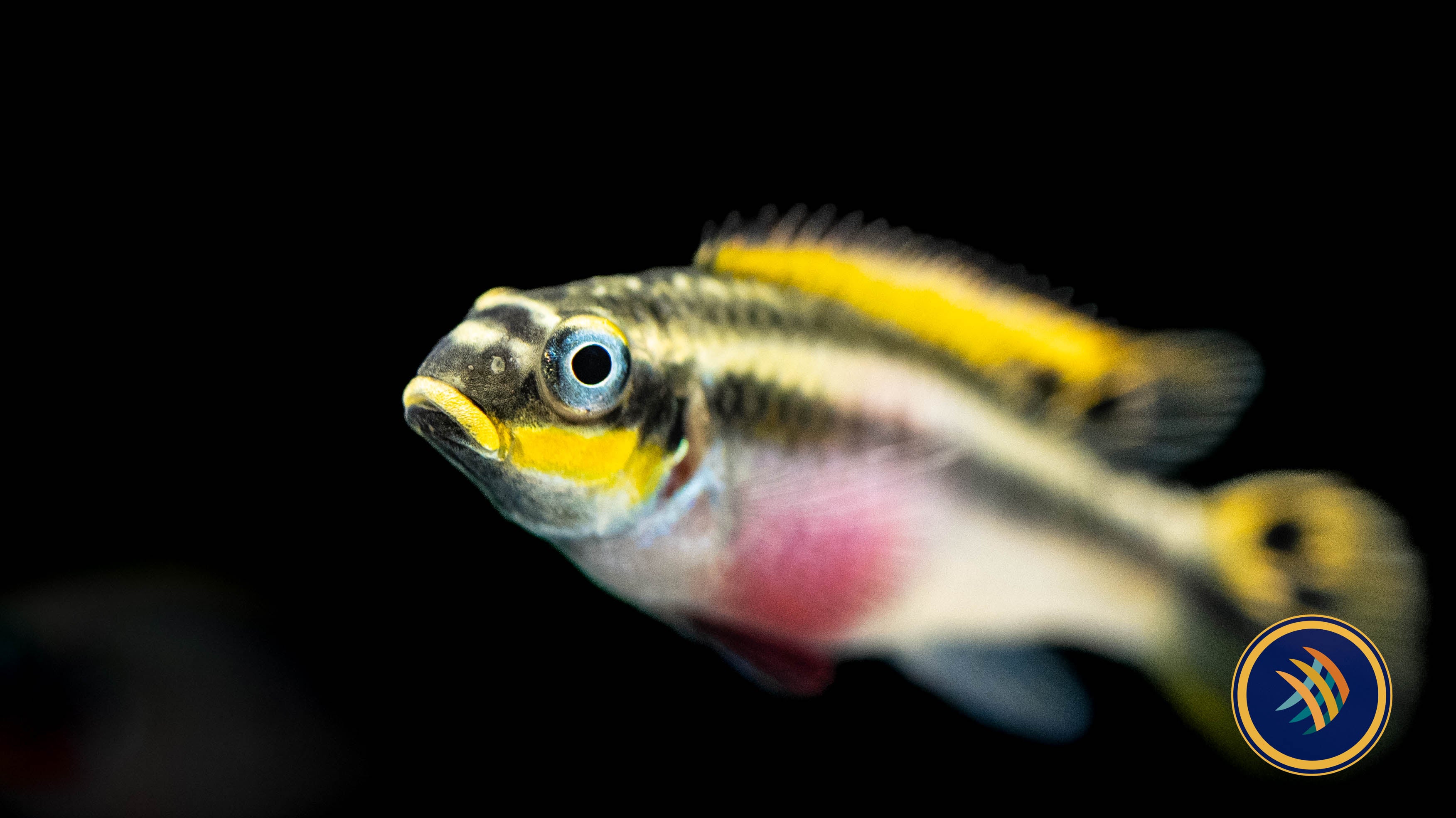
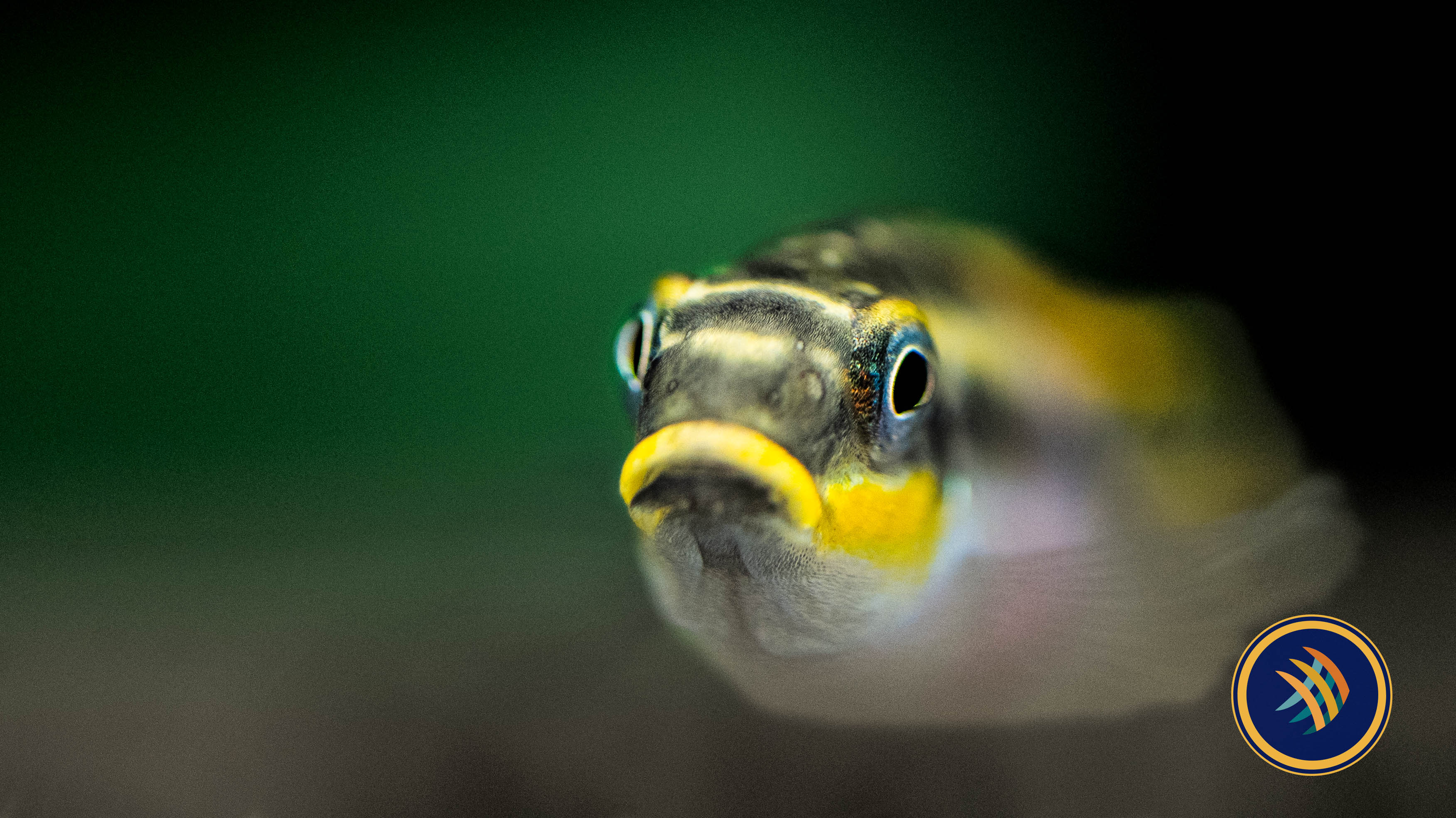
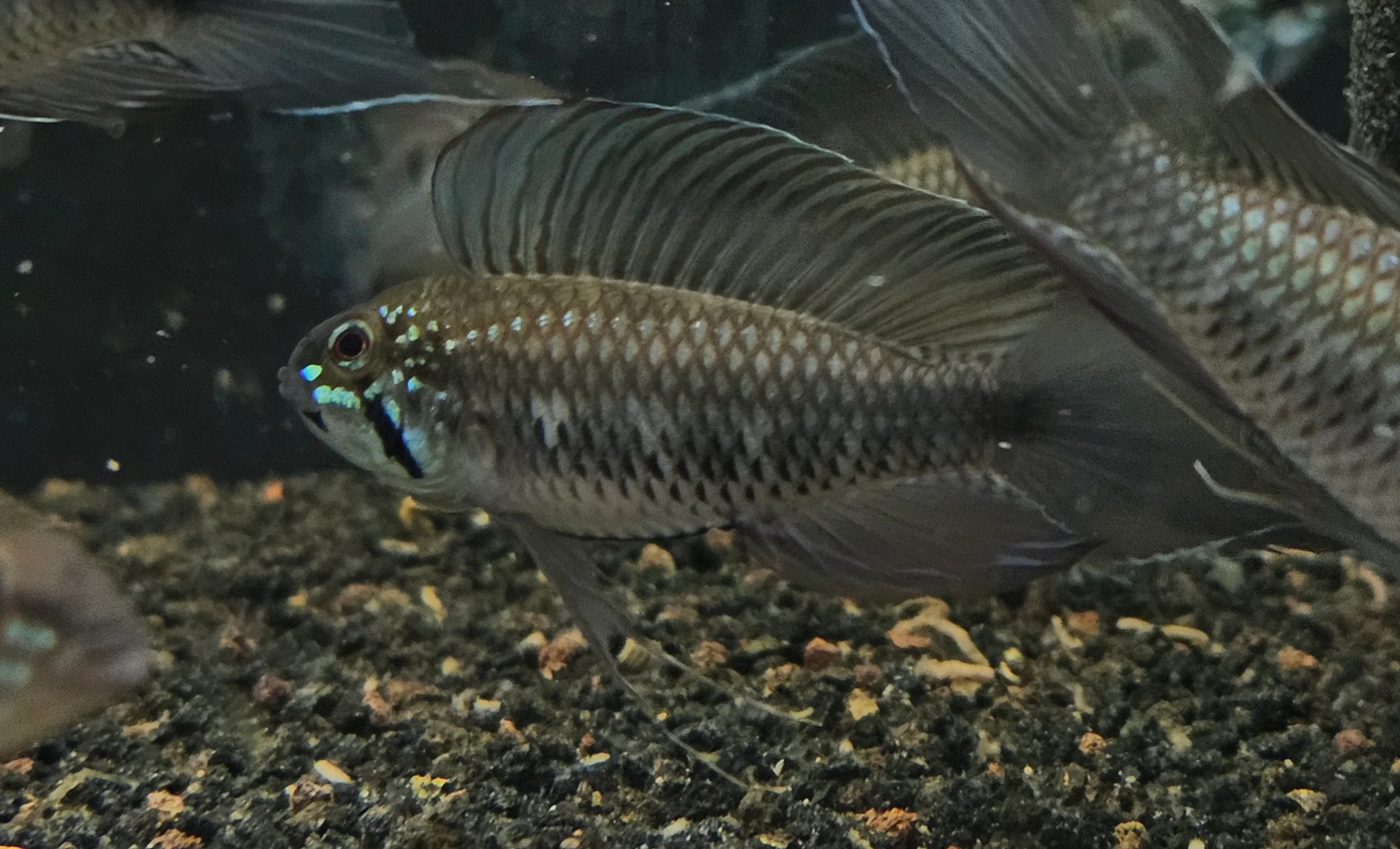
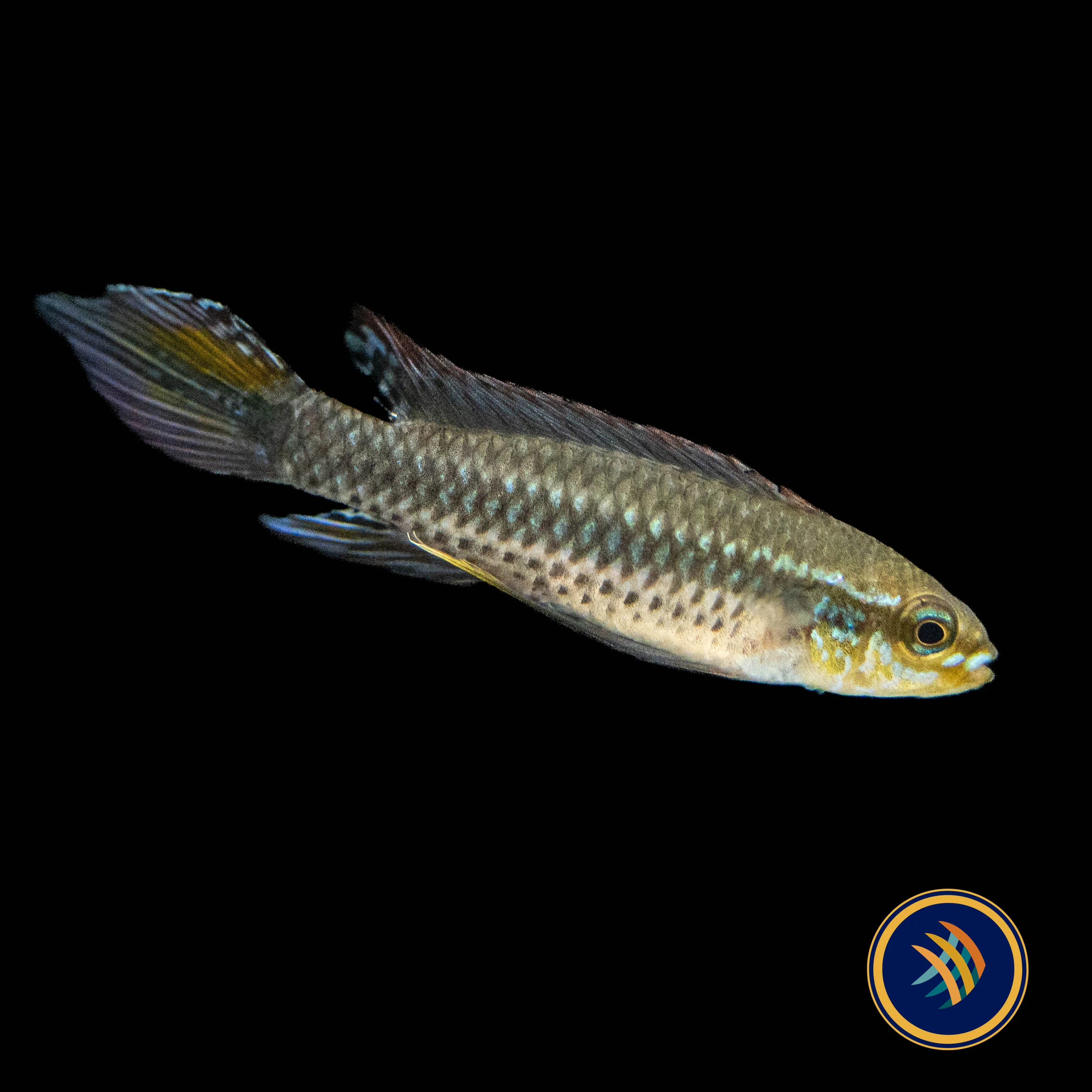
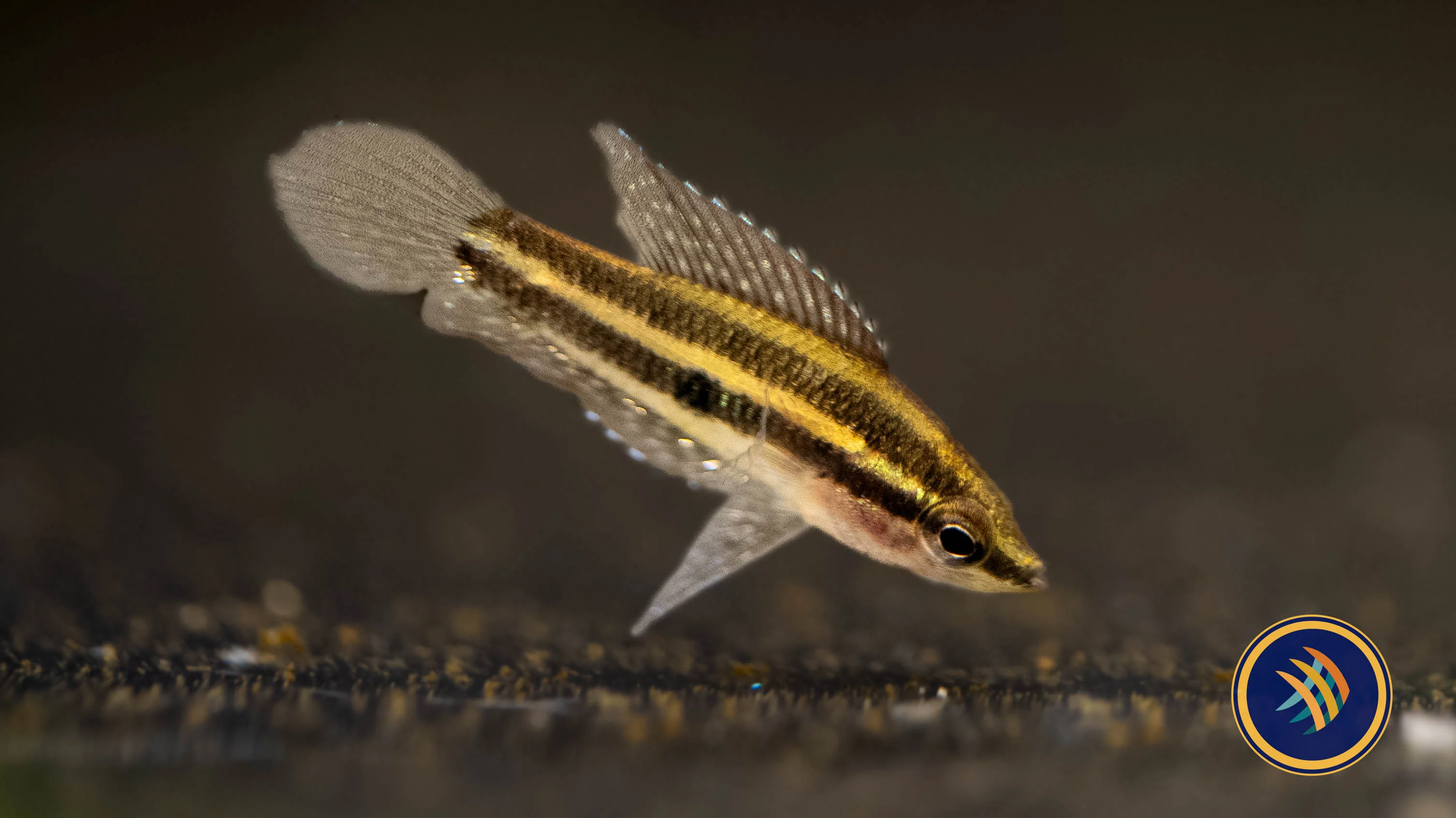
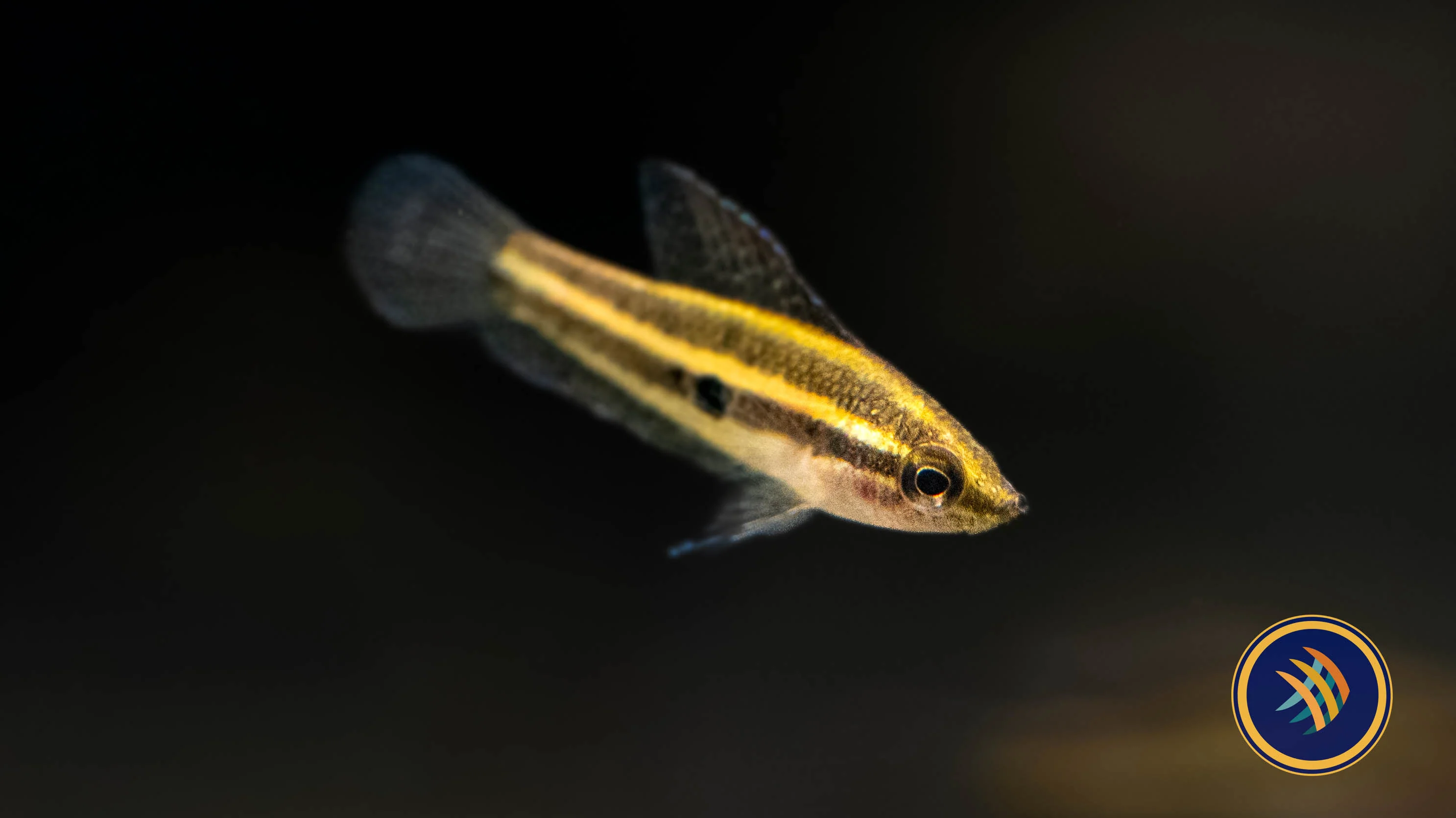
Red Melon Dario (Dario hysginon) is a captivating nano fish known for its vibrant red coloration and interesting behavior. Here are some key details about this species:
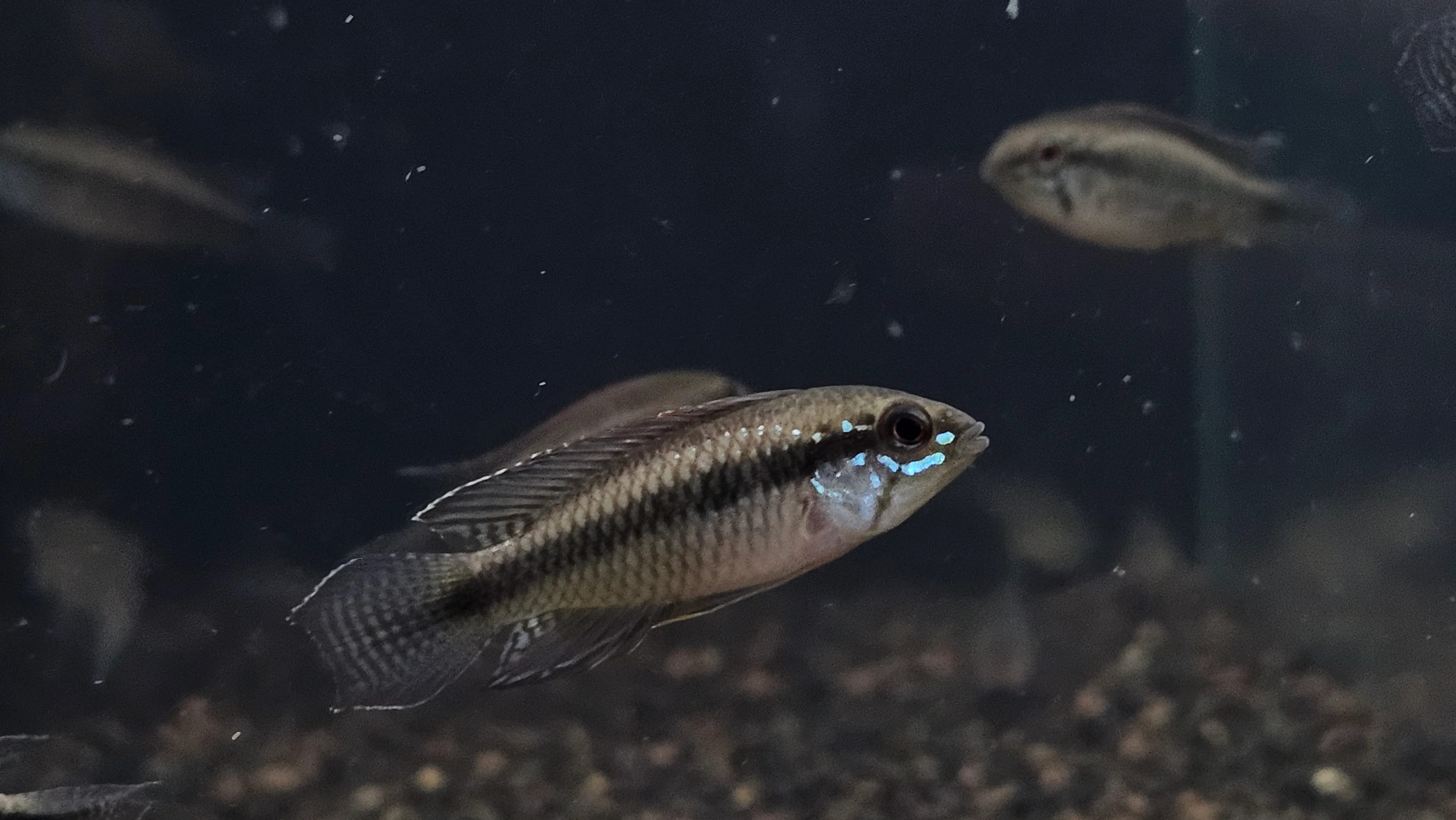
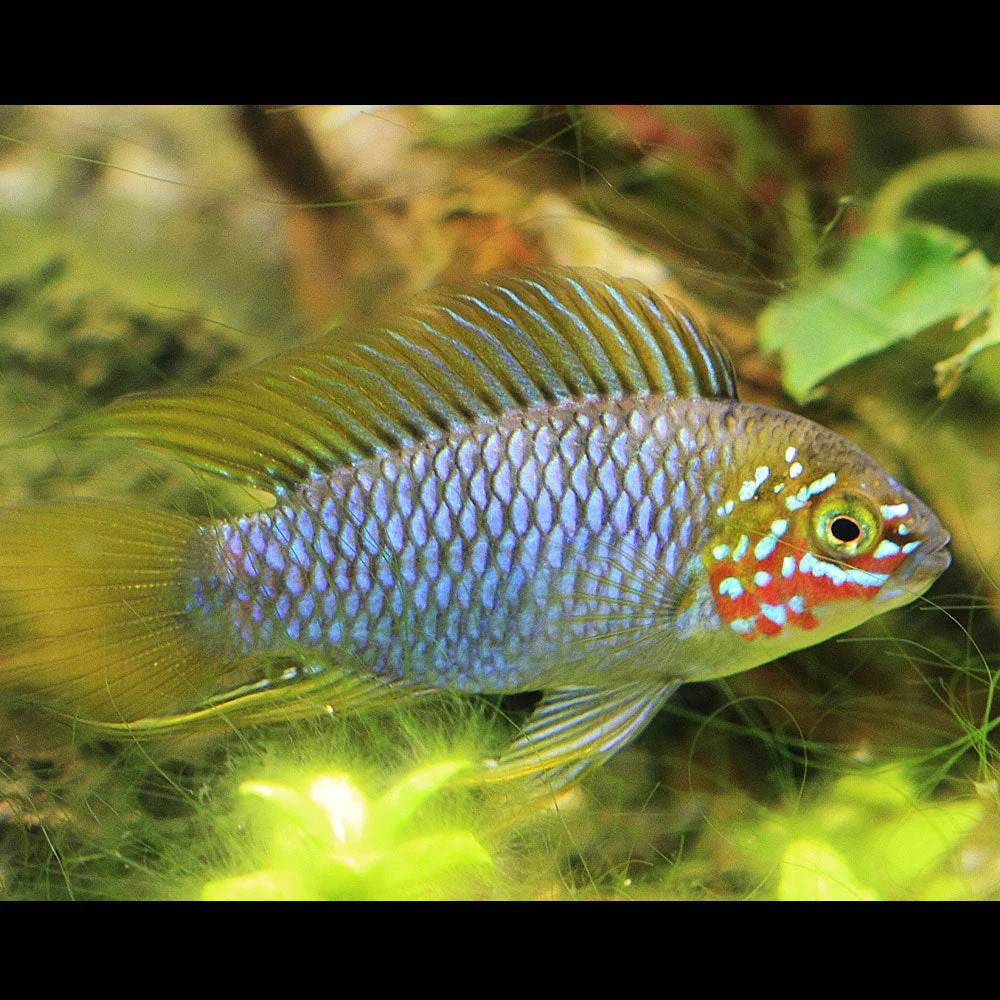
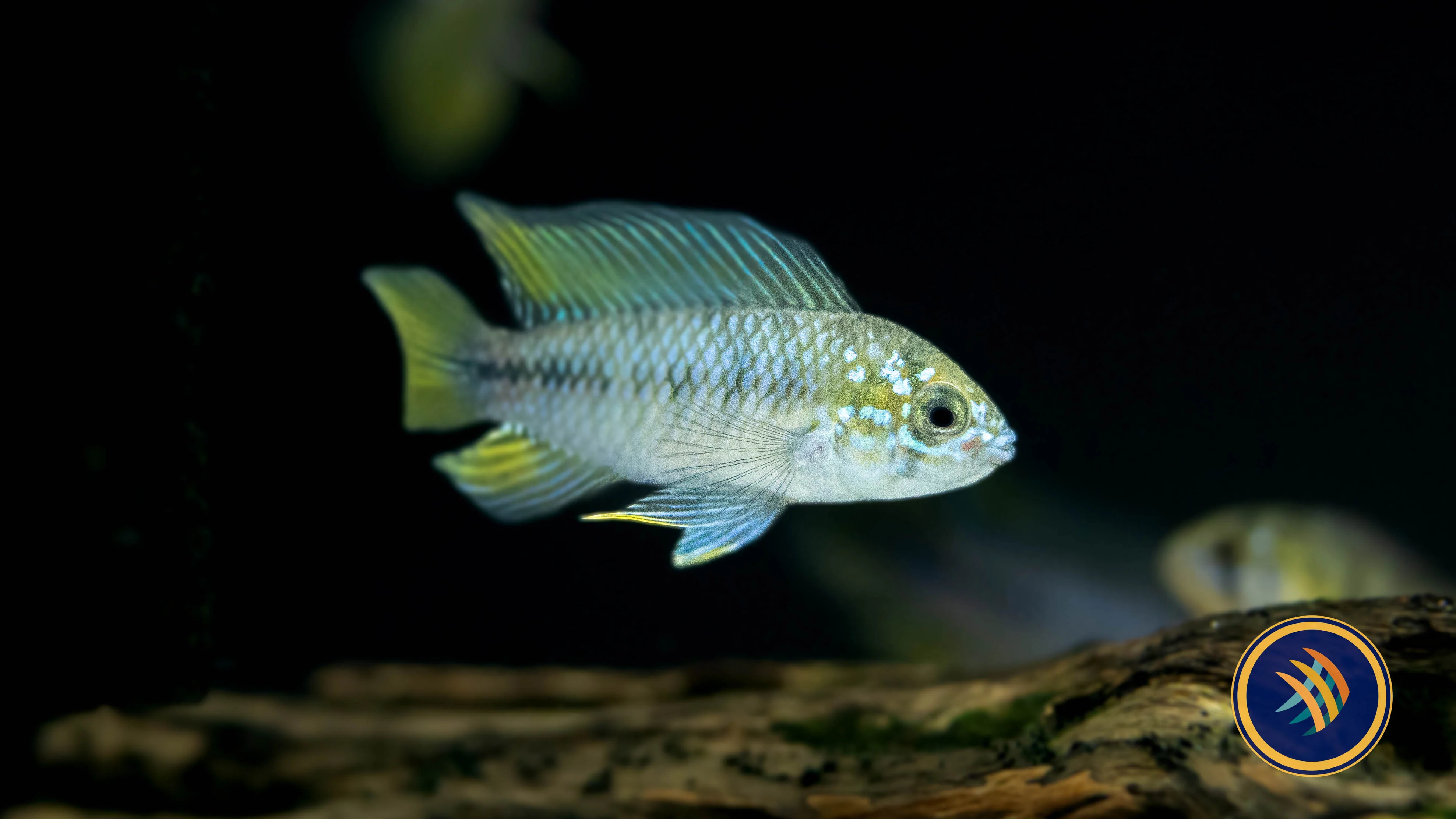
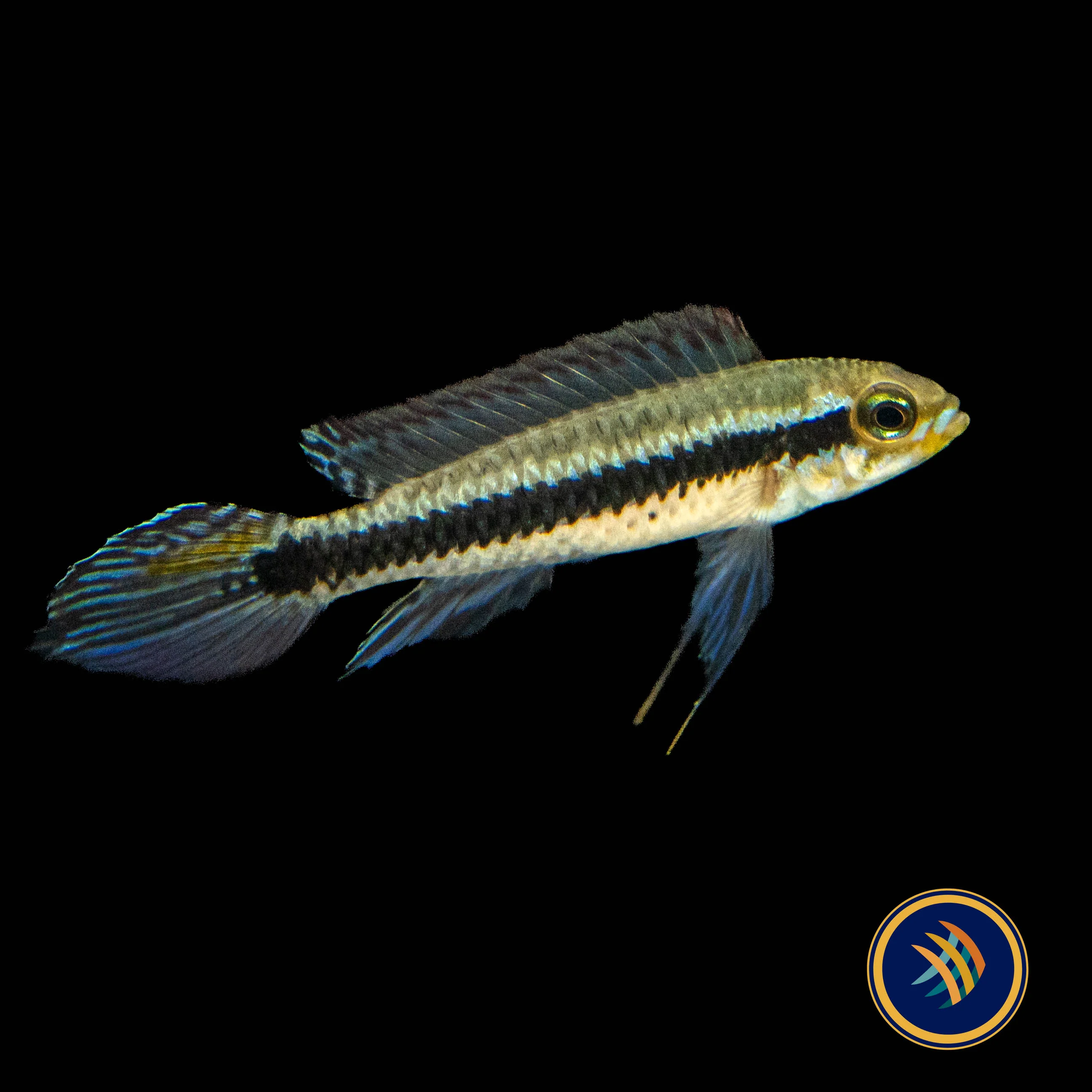
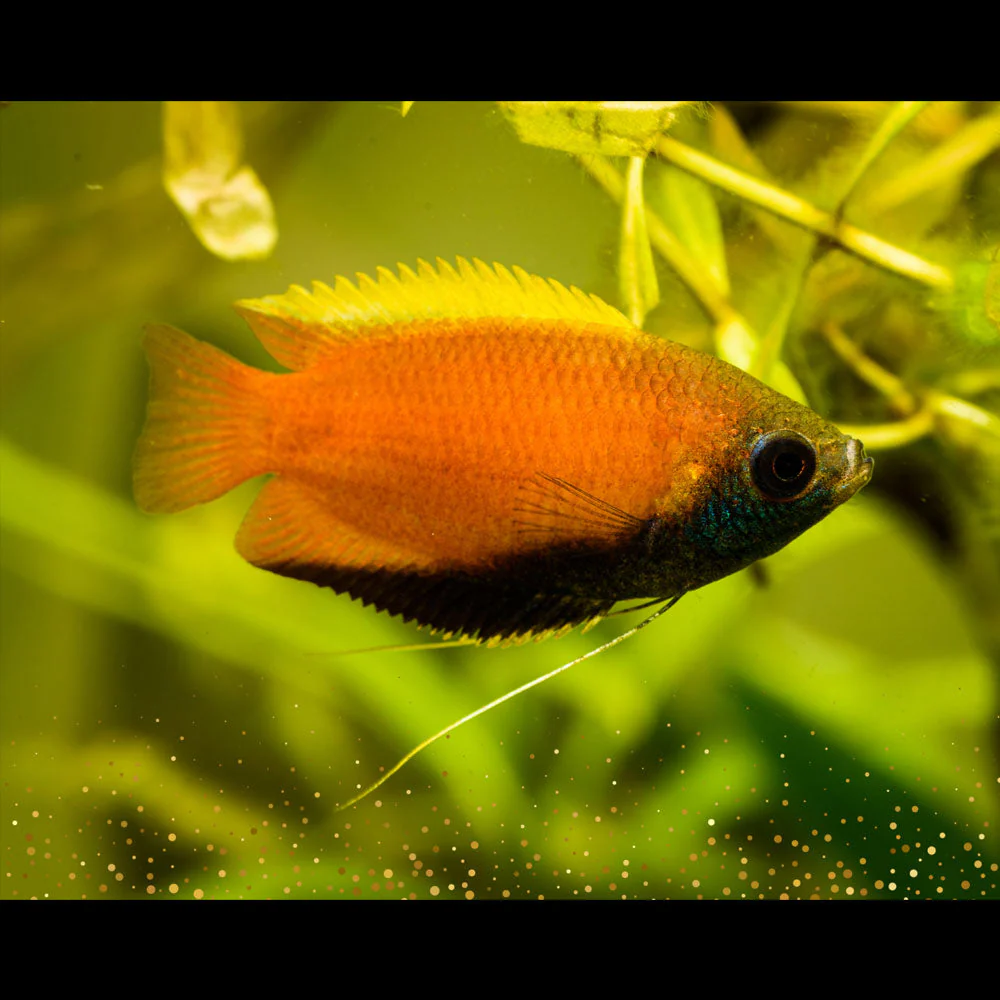
- Appearance: Males are more intensely colored than females, with a striking red hue and a black blotch on the first few dorsal fins
- Size: They are small, with males growing up to about 22 mm (a little over 3/4 inch) and females slightly smaller
- Habitat: Native to Myanmar, they thrive in oxygen-deprived waters with plenty of plant cover, such as Cryptocoryne species
- Tank Setup: They do well in heavily planted tanks, which help reduce aggression by providing hiding spots and breaking line of sight between males. A 20-gallon tank can house up to seven pairs if well-planted
- Diet: They are micropredators, feeding on small insects, crustaceans, and zooplankton in the wild. In captivity, they can be fed live or frozen foods like brine shrimp, bloodworms, and daphnia
- Behavior: Males can be territorial, especially during breeding. They display fascinating behaviors such as flaring their fins and forming temporary bonds for breeding
$2.54
Original: $7.27
-65%Red Melon Dario (Dario hysginon)—
$7.27
$2.54Product Information
Product Information
Shipping & Returns
Shipping & Returns
Description
Red Melon Dario (Dario hysginon) is a captivating nano fish known for its vibrant red coloration and interesting behavior. Here are some key details about this species:
- Appearance: Males are more intensely colored than females, with a striking red hue and a black blotch on the first few dorsal fins
- Size: They are small, with males growing up to about 22 mm (a little over 3/4 inch) and females slightly smaller
- Habitat: Native to Myanmar, they thrive in oxygen-deprived waters with plenty of plant cover, such as Cryptocoryne species
- Tank Setup: They do well in heavily planted tanks, which help reduce aggression by providing hiding spots and breaking line of sight between males. A 20-gallon tank can house up to seven pairs if well-planted
- Diet: They are micropredators, feeding on small insects, crustaceans, and zooplankton in the wild. In captivity, they can be fed live or frozen foods like brine shrimp, bloodworms, and daphnia
- Behavior: Males can be territorial, especially during breeding. They display fascinating behaviors such as flaring their fins and forming temporary bonds for breeding